
A sustained rise in oil prices above $100 per barrel, driven by the ongoing geopolitical tensions in the Middle East, is expected to weigh on Titan’s profit margins over the medium term. Even so, the group’s broader growth outlook is not expected to be fundamentally disrupted.
The company enters this period from a position of considerable financial strength. In 2025, Titan reported sales of €2.67 billion, EBITDA of €606.1 million, and net profits of €236.3 million, while maintaining relatively low net debt of €214 million and a leverage ratio of just 0.4 times. Building on this performance, management is targeting modest revenue growth and a moderate improvement in operating profitability in 2026, supported by higher sales volumes, stable pricing conditions, and the contribution of recent acquisitions.
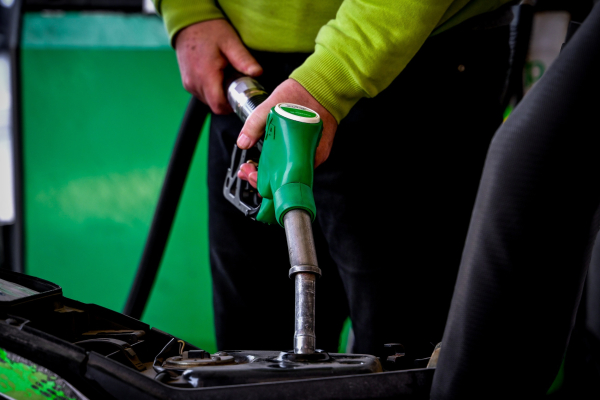
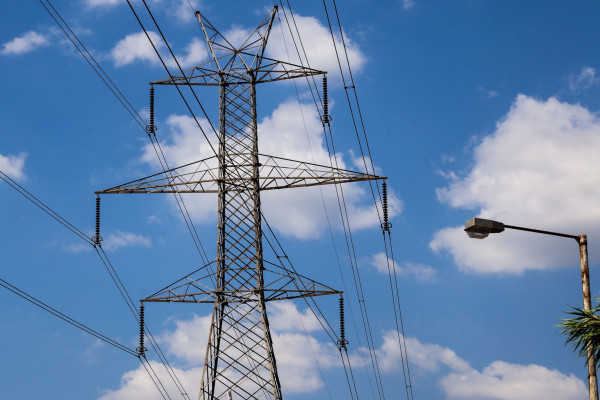
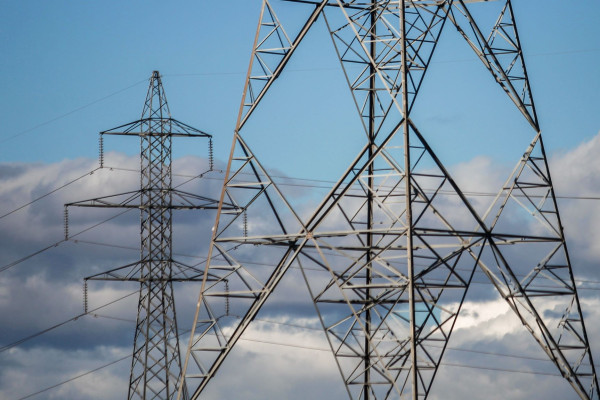
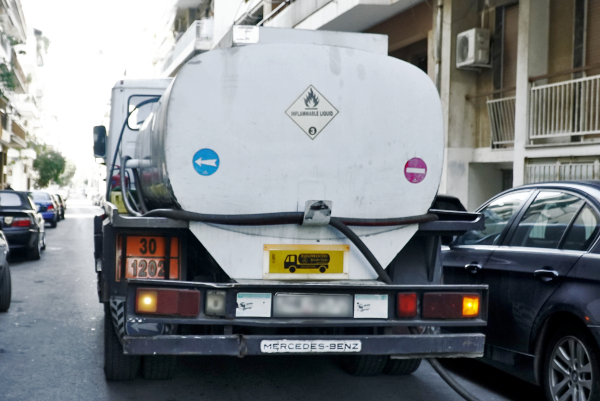
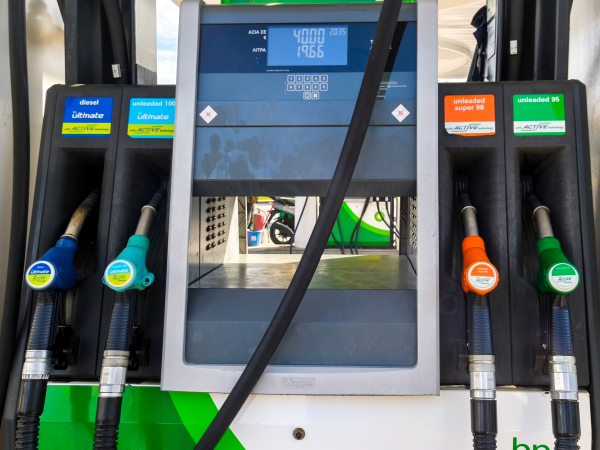
Higher oil prices are expected to feed directly into production and distribution costs, increasing spending on fuel, transportation, and indirectly on electricity. Titan benefited in 2025 from lower solid fuel costs and improved operational efficiency, both of which supported stronger margins. In a more inflationary energy environment, some of these gains are likely to unwind, leading to pressure on EBITDA margins, even though the group retains some ability to pass on costs through selective price increases.
ΔΙΑΒΑΣΤΕ ΕΠΙΣΗΣ

However, Titan appears better positioned than in previous cycles to absorb such pressures. The company has significantly increased its use of alternative fuels, reducing its exposure to fossil fuel price volatility. Higher fuel substitution rates, combined with investments in waste processing facilities and agreements securing access to alternative raw materials, are strengthening its resilience against rising energy costs.
The group’s geographic footprint also provides an important buffer. The United States has become its primary profit driver, supported by robust demand linked to infrastructure spending, public works and industrial investment. This market tends to be more resilient and offers greater scope for passing on higher costs. By contrast, operations in the Eastern Mediterranean, particularly export-oriented activity from Egypt, are more exposed to rising logistics and freight costs and may therefore face greater pressure.
In this context, persistently high oil prices are likely to slow the pace of growth in operating profitability compared with current expectations, mainly through margin compression. Nevertheless, the impact is expected to take the form of a gradual easing of margins rather than a break in Titan’s overall growth story, reflecting the company’s stronger operational model, improved cost flexibility, solid presence in the US market and robust balance sheet.