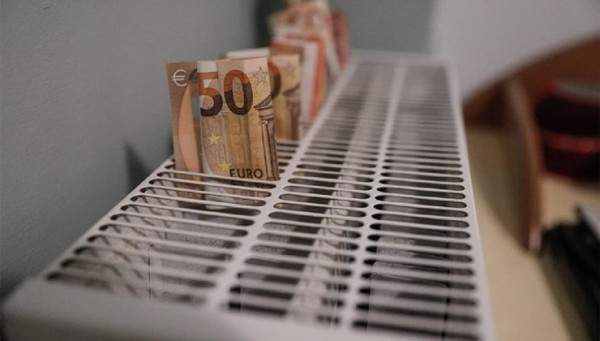


The Greek government is preparing a potential energy support package worth up to €600 million if energy prices remain elevated, particularly in the event that the crisis in the Middle East continues for more than five weeks and oil prices stay near $100 per barrel for at least a month.
The possibility of new support measures was discussed during a government meeting held on Monday at the Maximos Mansion in Athens, attended by the ministers responsible for economic and energy policy. The meeting focused on assessing the economic impact of the latest surge in energy prices and exploring potential interventions to cushion households from rising costs.
Officials examined the recent rise in oil prices to around $100 per barrel as well as the increase in natural gas prices to €56 per thermal megawatt hour, developments that could place additional pressure on consumers and businesses if sustained.
Although no immediate decisions were made regarding the introduction of new measures, government sources indicated that policymakers reviewed options previously used during the 2022 energy crisis. These earlier policies were discussed as possible models for intervention should energy prices remain high, though no decision has yet been taken on whether they will be reintroduced.
In 2022, when Europe faced a sharp spike in energy costs, the Greek government introduced several support schemes. Among them was the Fuel Pass, a prepaid card designed to help consumers cover the cost of transport fuel, with a total budget of €300 million. Another measure, the Power Pass, reimbursed part of the increase in electricity bills for households with annual incomes of up to €45,000, at a cost of €296 million. Taxi drivers also received a one-off subsidy of €200 in April of that year, a measure that cost roughly €5 million in total.
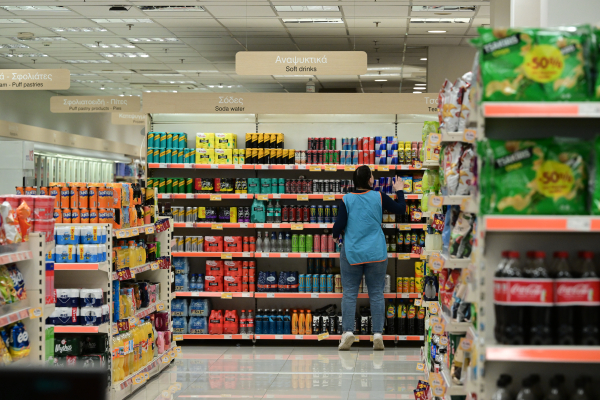
Separately, from February to October 2023, the government implemented the Market Pass, a program aimed at offsetting part of the rising cost of everyday purchases—particularly food—for about 2.8 million households. The scheme cost approximately €755 million, although it remains unclear whether the government would consider introducing a similar measure again.
For now, Athens is closely watching developments at the international level. Particular attention is focused on an emergency videoconference of G7 energy ministers, which is expected to discuss the potential release of strategic oil reserves in response to disruptions in global supply linked to the ongoing conflict involving Iran.
The Group of Seven (G7) includes Canada, France, Germany, Italy, Japan, the United Kingdom and the United States. According to U.S. estimates, a coordinated release of between 300 million and 400 million barrels of oil could help stabilize global markets. Such a move would represent roughly 25% to 30% of the strategic reserves held by G7 countries, which total around 1.2 billion barrels.