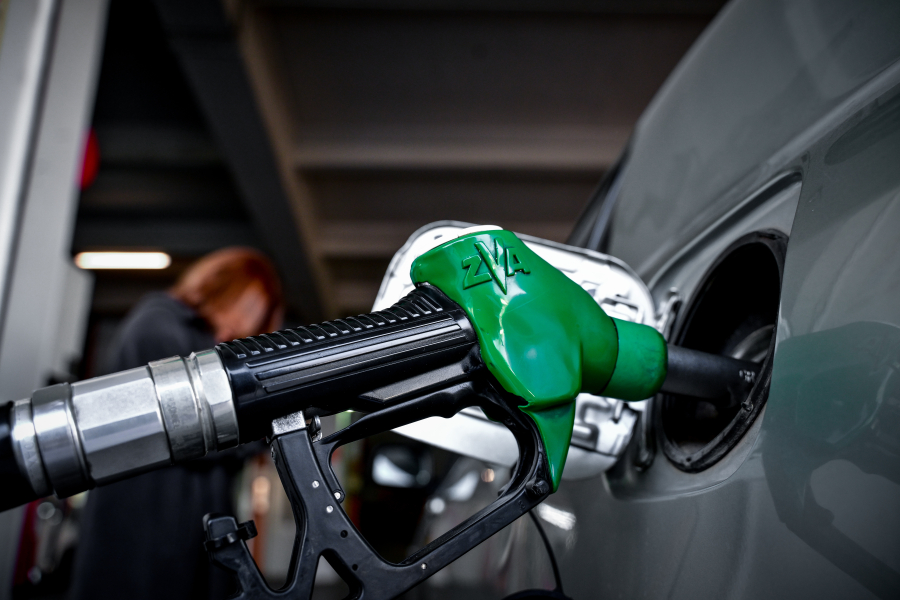

Because VAT is calculated as a percentage of the final retail price, increases in energy costs typically translate into higher tax receipts for the state.
A decision published on Wednesday by Greece’s Deputy Minister of National Economy and Finance, Georgios Kotsiras, sets the revenue collection targets for 2026 for the country’s tax authority, the Independent Authority for Public Revenue (AADE).
Under the plan, VAT revenues from petroleum products and related fuels are projected to reach €2.124 billion in 2026. The figure could increase further if high energy prices persist for an extended period.
Overall VAT revenues are expected to total €29.307 billion, making VAT the single largest source of tax income for the Greek state budget. Of this amount, around €599 million is expected to come from VAT on tobacco products, while the largest share—€26.584 billion—will come from VAT on other goods and services.
Excise duties—special consumption taxes applied to specific goods such as fuel, tobacco and alcohol—are also projected to make a significant contribution to public finances. In 2026, these taxes are expected to generate €7.456 billion, including €4.337 billion from energy products, €2.384 billion from tobacco products, and €736 million from other goods subject to excise taxation.
Income taxes remain another key pillar of government revenue. Personal income tax is forecast to generate €15.714 billion in 2026, while corporate income tax is expected to reach €8.529 billion. Additional income-related taxes are projected at €2.354 billion, bringing total income tax revenues to €26.597 billion.
Property taxes are expected to remain stable, with total revenues estimated at €2.328 billion. The vast majority—€2.316 billion—will come from ENFIA, Greece’s main annual property tax, which is expected to be issued to taxpayers by March 15.
In total, Greece’s tax revenues for 2026 are forecast to reach €73.477 billion, forming the core of the country’s overall state budget revenues.