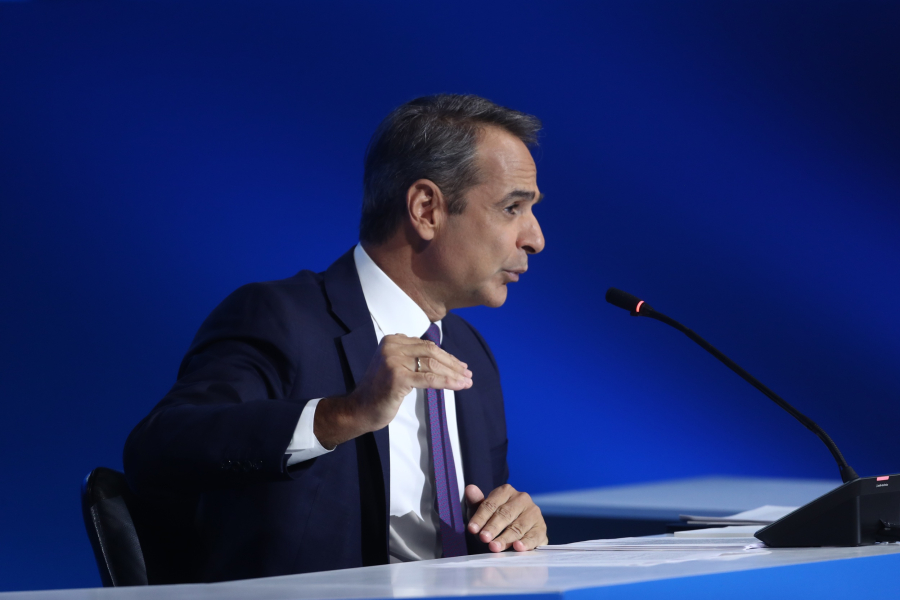
Greek Prime Minister Kyriakos Mitsotakis is preparing to announce a sweeping package of economic measures worth up to €2 billion at the 89th Thessaloniki International Fair, an annual political and economic showcase. The announcement comes at a critical juncture for his government, which has seen its approval ratings drop to around 25% just over two years into its term. Despite offering targeted tax cuts and financial assistance to salaried workers, pensioners, farmers, and the self-employed, the government's efforts appear to be falling flat in the face of deepening public discontent and economic anxiety.
The measures, which span tax relief, rent-related incentives, and targeted support for those with overdue debts, are intended to provide relief across broad segments of society. Key provisions include a revised tax bracket for incomes up to €20,000, increased deductions for documented expenses, a 30% reduction in imputed income assessments, and potential adjustments to the ENFIA property tax. However, most of these changes are not slated to take effect until 2026 or later, which means that the promised relief will come too late for many households currently struggling with soaring living costs.
Greece is currently experiencing some of the lowest consumer confidence levels in the European Union. In July, the consumer sentiment index plunged to -47.6 points, the worst in the bloc. The prevailing mood is one of pessimism: 64% of Greeks report a worsening financial situation in their households, while 59% expect conditions to deteriorate further in the next year. Even though the country has some fiscal space to offer substantial social spending, the benefits appear disconnected from the everyday realities of most citizens. Nearly six in ten say they are barely making ends meet, one in ten is relying on savings to get by, and 8% remain in debt. Meanwhile, 65% expect prices to keep rising, deepening the sense of economic insecurity.
In this climate, even a €2 billion package risks landing with a thud. While the initiatives might offer some long-term benefits and a modest cushion to the most vulnerable, their delayed implementation and limited impact on immediate purchasing power have led many to see them as out of touch with the public’s more urgent needs. As a result, the measures are unlikely to reverse the government’s political erosion or shift the prevailing sense of disillusionment among the Greek population.