#EUROPEAN UNION
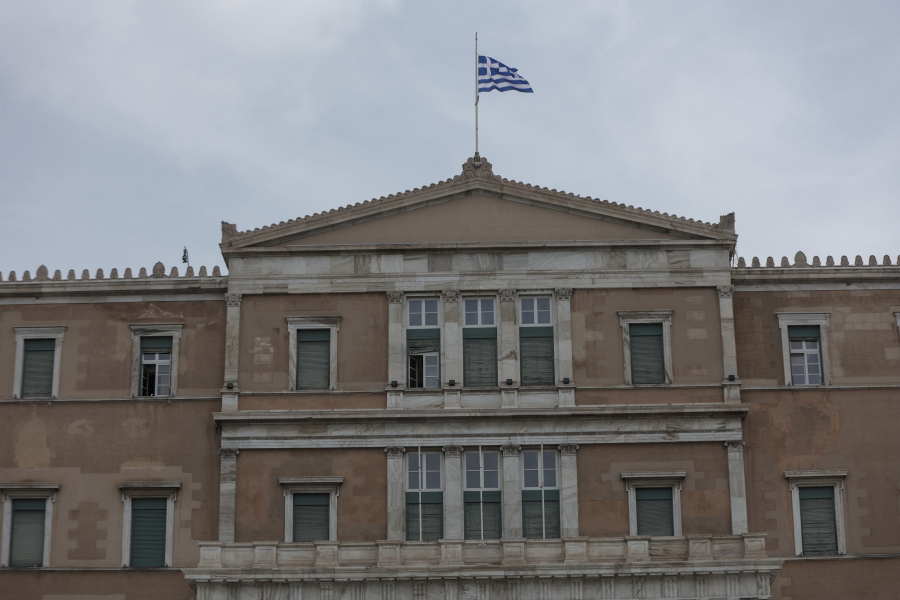
Greece Edges Up Economic-Freedom Ranking but Remains Near Bottom of EU
Greece ranks 61st among 165 countries and jurisdictions in the 2026 Economic Freedom of the World index, up from 63rd a year earlier.
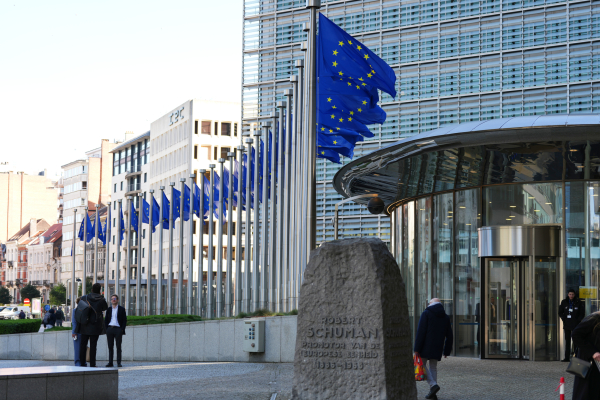
EU Audit Exposes Deep Flaws in Greece’s Vocational -Training System
Among their most consequential findings were procurement requirements that effectively prevented training companies elsewhere in the EU from competing for Greek contracts.
Greece Has One of the EU’s Lowest Obesity Rates
The figures put Greece 3.5 percentage points below the EU average, offering a relatively favorable picture in a region where obesity and excess weight remain significant public-health concerns.

Daily Tobacco Use in Greece Stays Well Above EU Average
Across the European Union, about one in six people aged 16 or older now report using tobacco or related nicotine products every day.
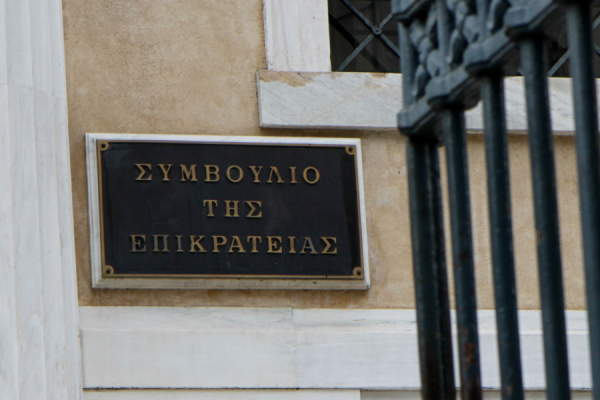
Greek High Court Rules Profit Margin Cap Complies With EU Law
The Greek High Court has ruled that the profit margin cap is compatible with European Union law.
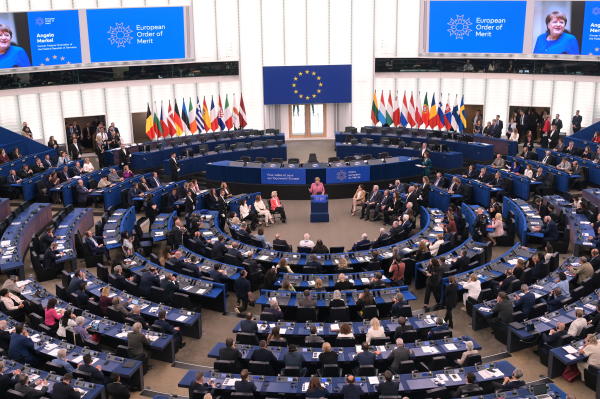
EU Recovery Funds Spent Billions on Home Energy Retrofits With Limited Returns, Auditors Say
Despite the differences in scale, Greece and Italy shared a common shortcoming: most of the money did not go toward deep energy renovations capable of reducing household energy consumption by more than 60%.

Greece Keeps Journalists Locked Out of Corporate Ownership Registry Despite EU Transparency Push
A joint decision by Greece's finance and digital governance ministries envisaged that individuals and legal entities able to demonstrate a legitimate interest would be granted access to beneficial ownership information from December 31 onward.
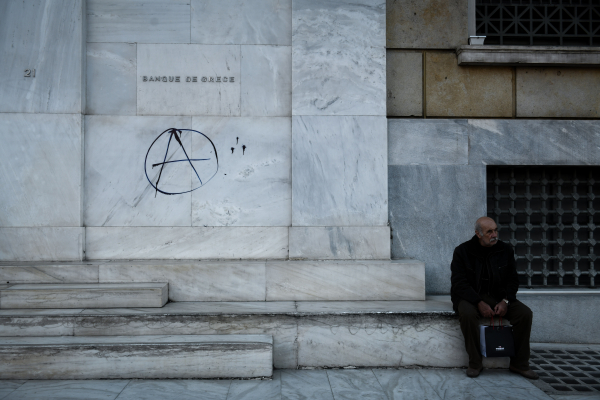
Greece Advances EU Single Access Platform, Creating New Investor Data Gateway
The legislation reflects Brussels’ wider push to deepen integration in European capital markets and banking supervision at a time when regulators are seeking to improve transparency, reduce fragmentation and strengthen resilience against financial and non-financial risks.
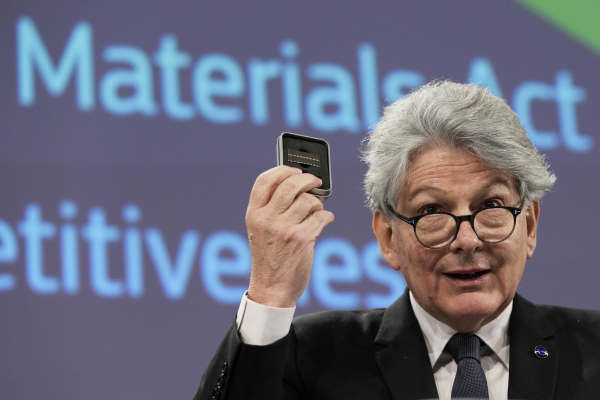
Critical Raw Materials: EU Audit Underscores Need for Faster Domestic Production
The EU remains heavily dependent on imports, particularly for materials essential to technologies such as batteries, wind turbines and solar panels.
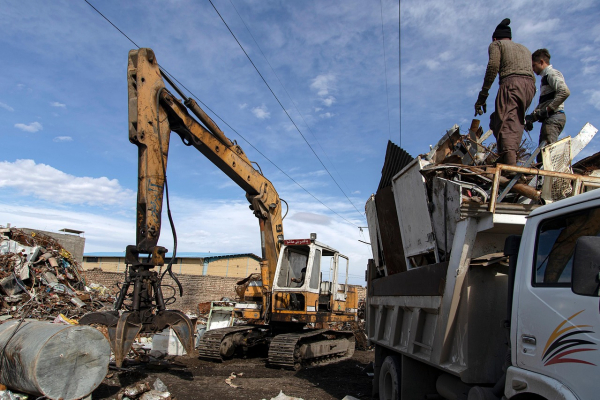
EU Audit Flags Greece as Major Laggard in Waste Management
Greece’s national waste-management plans repeatedly underestimate the true infrastructure needs and often fail to clearly outline how necessary projects will be financed.

Study Finds Greek Lawmaking Lags Behind EU Standards
The average Greek law runs to 54 articles and about 60 pages—more than double the length of the typical EU directive, which averages 25 pages.
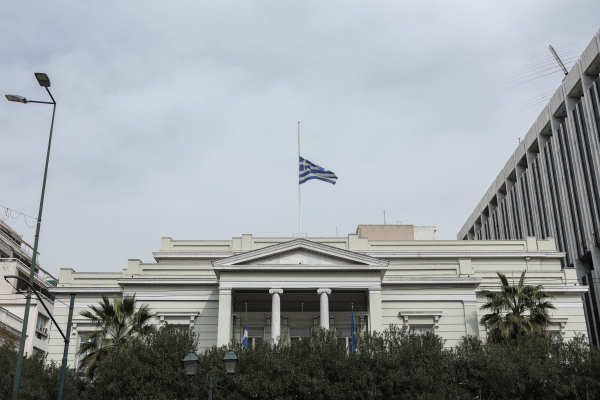
Athens Allocates €20 Million for Organization of 2027 EU Presidency
The budget is set to finance the establishment and operation of a new EU Presidency Office, the purchase of necessary equipment, the hosting of European officials, and the organization of cultural and scientific events.
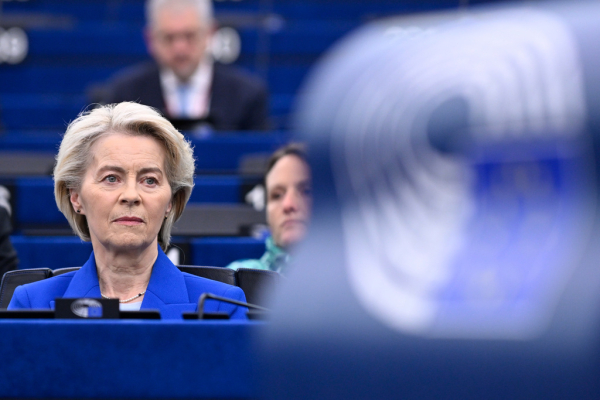
The European Commission’s 2026 Work Programme: What It Means for Greece and the EU
The European Commission is introducing a new framework to enhance energy efficiency, expand renewable energy use, and ensure secure energy supply across the continent.

IMF Warns EU on Defense Spending as Greece Rolls Out €30 Billion Program
The remarks come at a sensitive moment for Greece, which is in the midst of an ambitious rearmament effort following years of underinvestment.

ECB Study Exposes EU's Deepening Trade Ties with Authoritarian Regimes
According to ECB, the EU has steadily increased its trade with authoritarian and non-democratic regimes over the past 25 years.

Greek Industries Brace for Impact from EU Carbon Border Mechanism
The European Union’s Carbon Border Adjustment Mechanism (CBAM), introduced as part of its broader green transition strategy, is partially reshaping the landscape of international trade. Its main objective is to curb «carbon leakage» - the phenomenon where industries move production to countries with looser environmental regulations in order to escape stricter EU climate rules. While the overall impact on the EU’s trade flows is expected to be limited, the mechanism could significantly affect specific countries and industries, according to a study by the International Monetary Fund. CBAM is designed to protect EU-based companies that bear the financial burden of the bloc’s ambitious climate policies. It does this by imposing a charge on imported goods with high carbon footprints - such as iron, steel, aluminum, cement, fertilizers, and electricity - based on the amount of embedded carbon emissions and whether the country of origin already prices those emissions. This carbon levy ensures that imported products are not unfairly cheaper simply because they come from places with weaker climate standards. Although CBAM formally took effect in October 2023, it remains in a transitional phase until the end of 2025. During this period, importers must report the carbon emissions of the goods they bring into the EU but are not yet required to pay the levy. Starting in 2026, however, the EU will begin charging importers according to its carbon pricing benchmark and the emissions intensity of their products. The IMF estimates that CBAM will raise the cost of EU imports by around 0.1%, and non-EU countries exporting to the bloc will see their total export costs rise by an average of 0.04%. While this may seem marginal at the macroeconomic level, the financial burden will be more acute for countries with high-carbon exports and no domestic carbon pricing - such as Bosnia and Herzegovina, Serbia, and Ukraine - especially in sectors like steel and electricity. Greece, in relative terms, is less exposed to the mechanism. Only about 4.5% of the country’s total imports are affected by CBAM, and the value of these imports from non-EU countries amounts to just 0.1% of Greece’s GDP. As a result, the immediate macroeconomic and fiscal impact is expected to be modest. However, the picture shifts when focusing on specific sectors. A large portion of Greece’s aluminum (89%) and iron and steel (75%) imports originate outside the EU, making these industries particularly vulnerable. According to the IMF study, CBAM could increase the import cost of primary aluminum by 3.9%, iron and steel by 2.9%, and cement and related products by a striking 19.7%. These added costs could ripple through the economy, especially in construction and heavy industry, where such materials are essential. Greece’s dependence on a small number of carbon-intensive raw materials from high-emission countries may lead to price hikes and pressure on domestic industries. This challenge is compounded by the EU’s plan to phase out free emissions allowances for European businesses by 2035. Without an equivalent mechanism to protect EU exporters from carbon-related costs in global markets, companies in Greece and elsewhere may find themselves at a competitive disadvantage abroad.

All Eyes on Luxembourg: Pivotal EU Court Ruling on Retailers’ Pest Liability Expected June 25
Europe’s food retailers are bracing for a pivotal ruling by the EU’s top court on June 25, as the Court of Justice of the European Union prepares to clarify whether businesses must guarantee pest-free premises—or simply prove they took all reasonable precautions.
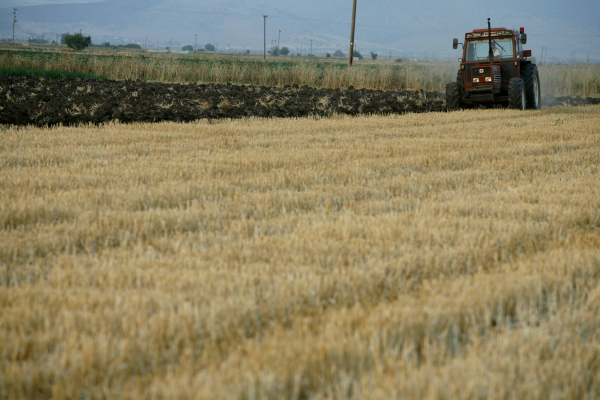
How One Insider Helped Expose Greece’s Widespread Abuse of EU Farm Funds
A whistleblower’s revelations have propelled a major fraud case to trial in Athens, exposing deep-rooted corruption in Greece’s agricultural subsidy system and triggering a political crisis with potential EU sanctions looming.
Greece Surpasses EU Standards in Bank Deposit Protection
By the end of 2024, DGS across the EU had collectively accumulated €79 billion in available financial resources, meeting the target set by the EU's Deposit Guarantee Schemes Directive (DGSD).

New Greek Labor Platform Aims to Align with EU Standards
Ergani II replaces the original Ergani system, which was not equipped to handle emerging forms of employment, including on-demand work contracts.