
A recent report by the European Court of Auditors underscores the European Union’s continued vulnerability in securing reliable supplies of the critical raw materials needed for the energy transition. While the EU has outlined an ambitious strategic framework and set climate and energy targets for 2030 and 2050, the auditors conclude that major weaknesses persist in the way these policies are being implemented.
According to the report, the Critical Raw Materials Act marks an important policy milestone, but it rests on incomplete data and uncertain projections. The benchmarks established for mining, processing, recycling and import diversification lack sufficient justification, and there is no consistent methodology to assess how individual raw materials contribute to the EU’s broader strategic objectives.
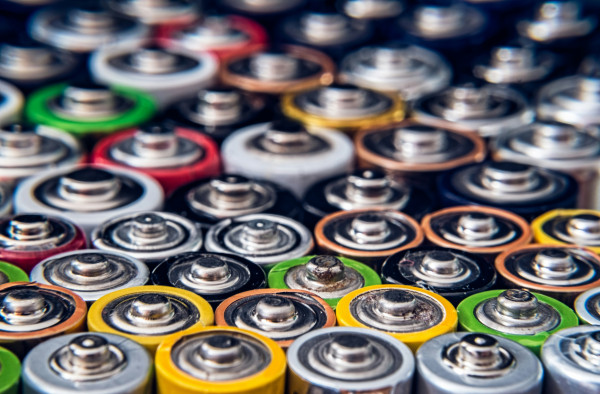
The EU remains heavily dependent on imports, particularly for materials essential to technologies such as batteries, wind turbines and solar panels. In many cases, more than 65% of supply is sourced from a single non-EU country, heightening geopolitical exposure and supply-chain risks. Although the Union has sought to mitigate these vulnerabilities through trade agreements and strategic partnerships, the report finds that concrete results have so far been limited.
At the same time, progress in developing domestic production capacity within the EU has been slow. Economic constraints, regulatory complexity and administrative hurdles continue to impede mining and processing projects. Lengthy and cumbersome permitting procedures remain a major obstacle, while funding for exploration and downstream processing has only recently begun to materialise at a more meaningful scale.
The auditors also highlight that the EU is failing to fully exploit the potential of sustainable resource management. Greater emphasis on recycling, material substitution and more efficient use of raw materials could significantly reduce reliance on primary imports. However, existing regulatory frameworks and market conditions continue to restrict the expansion of these practices.
Without decisive improvements in data quality, faster advancement of domestic production and a more effective rollout of recycling solutions, the European Court of Auditors warns that the EU may struggle to secure adequate supplies of critical raw materials by 2030. Such shortcomings could undermine both the bloc’s energy transition goals and its ambition to strengthen strategic autonomy.
These findings are particularly relevant for Metlen, a Greece-based industrial and energy group with activities spanning metals production, as they highlight the strategic role that European industry can play in reducing the EU’s dependence on external suppliers. Against this backdrop, Metlen’s recent announcement that it has produced its first five kilograms of gallium takes on added significance, even if the volume itself appears negligible in purely industrial terms.
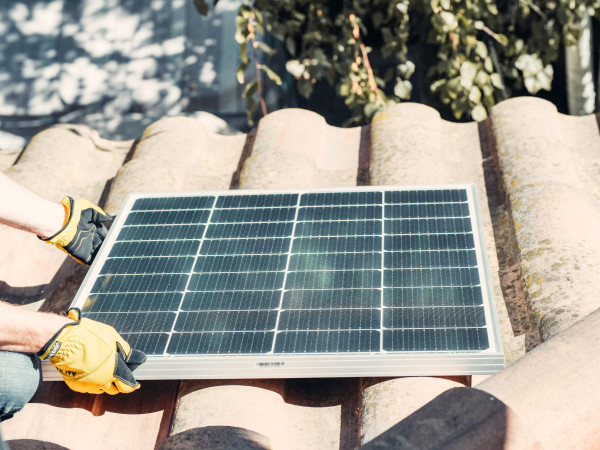
Gallium is classified by the EU as a critical raw material of strategic importance, due to its central role in advanced technologies. It is widely used in semiconductors, telecommunications, high-efficiency solar panels, LED lighting and defence-related applications, making it vital to both the digital and energy transitions. Although required only in very small quantities, shortages of gallium can cause disproportionate disruptions across key industrial and technological sectors.
The report notes that the EU remains largely dependent on imports for gallium, with supply concentrated in a small number of countries outside the Union. In this context, even limited pilot-scale domestic production carries strategic weight, serving as tangible evidence that Europe possesses both the technical expertise and industrial capacity to strengthen its autonomy in critical raw materials.