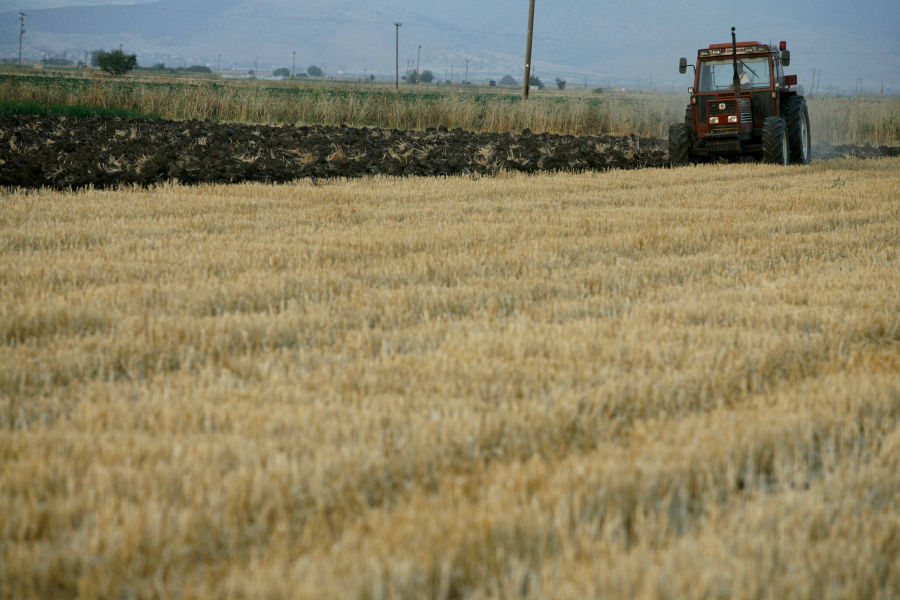

A high-profile fraud case that highlights deep-rooted corruption within Greece’s agricultural subsidy system has come to trial in Athens, drawing attention across Europe. The case is part of a wider investigation by the European Public Prosecutor’s Office (EPPO) into the misuse of EU funds allocated to farmers and livestock breeders through Greece’s national agricultural agency, OPEKEPE.
Seven defendants are currently on trial at the Athens Single-Member Court of Appeals, facing misdemeanor charges for unlawfully receiving subsidies meant to support new and small-scale farmers. Some of the accused have already returned the money, but the case is seen as just the tip of the iceberg. The EPPO’s ongoing investigation, which began in 2019 and continues to the present day, has uncovered a fraudulent scheme of significant scale, potentially involving state actors, fake claims, and misuse of digital land ownership records.
Key testimony in the trial came from Paraskevi Tycheropoulou, a former official at OPEKEPE who played a pivotal role in uncovering the fraud. According to her court statement, the investigation began following anonymous complaints about irregular subsidy payments from the national reserve—funds designated to support young farmers and herders. Tycheropoulou found that some individuals declared ownership of pastureland one year, only for that same land to appear under different names the next. In some cases, land had never been reported in tax filings, while one claim was linked to a man who had died in 2016 but whose property was used to claim subsidies in 2015 and beyond.
The fraud exploited gaps in land registration and verification. People claimed ownership of public or previously undeclared land, inserting it into their E9 tax forms, then applying for subsidies as either landowners or renters. The discrepancies, Tycheropoulou said, often went undetected due to the lack of cross-referencing between government databases. Regional offices of OPEKEPE reportedly held differing records, with conflicting names and codes, helping conceal the fraudulent claims.
Efforts to recover the funds began in 2023, but according to Tycheropoulou, the initiative was derailed by internal reshuffling within the agency. Despite facing disciplinary scrutiny, Tycheropoulou eventually became a central figure in the EPPO probe, offering critical insights based on her time as a state inspector.
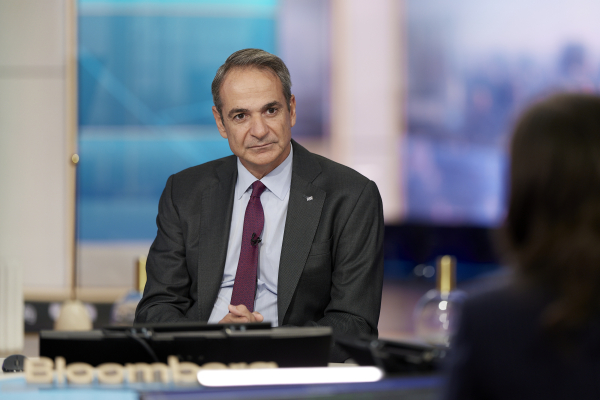
While the trial continues, the broader scandal has exploded into a political crisis. Opposition parties have accused Prime Minister Kyriakos Mitsotakis and his New Democracy government of failing to address known dysfunction within OPEKEPE. During a televised interview, PASOK party leader Nikos Androulakis slammed the administration, calling Mitsotakis “the architect of the corruption” and accusing him of treating the state as a political spoil. He criticized the government for cycling through five agriculture ministers and six OPEKEPE directors in six years, suggesting that these personnel changes were designed to deflect blame and avoid accountability.
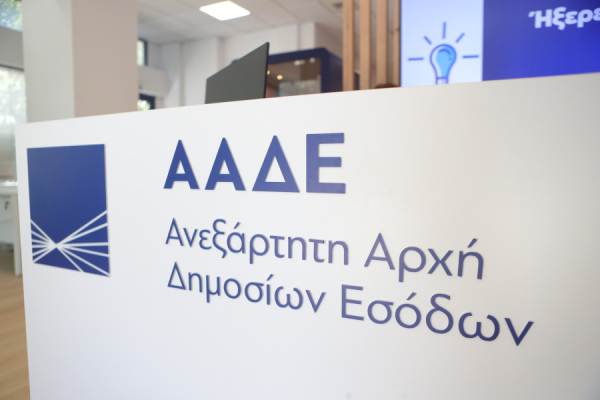
The political firestorm intensified when SYRIZA’s parliamentary leader Sokratis Famellos filed a formal question to the Prime Minister. He cited a string of revelations, including allegations that the European Chief Prosecutor had faced intimidation while conducting her investigation. Famellos also condemned the government’s recent decision to dissolve OPEKEPE and merge its functions into the Independent Authority for Public Revenue (AADE), interpreting it as a veiled attempt to bury the scandal and avoid political fallout.
The scandal has already damaged Greece’s standing in Brussels. The European Commission placed OPEKEPE under enhanced supervision in 2024—a rare and humiliating move for a member state. There are also threats of steep financial penalties and the potential withdrawal of Greece’s accreditation to manage EU agricultural funds, which could jeopardize future CAP (Common Agricultural Policy) payments.
International media outlets, including Politico, have reported extensively on the case, framing it as a striking example of how EU funds can be siphoned off through bureaucratic dysfunction and political complicity. The scandal undermines the credibility of Greece’s public institutions and casts doubt on the transparency of its rural development programs—an area seen as essential for the country’s economic recovery and regional equity.