
Greece is preparing to overhaul its tax-enforcement operations with an artificial-intelligence-powered surveillance and monitoring system designed to detect tax evasion, track suspicious transactions and coordinate inspections across the country in real time.
The initiative, unveiled by Greece’s Independent Authority for Public Revenue (AADE), would create a centralized command center integrating financial records, electronic transactions, customs information and live operational intelligence. The project is currently at the preliminary consultation stage.
The planned platform represents a significant expansion of Greece’s efforts to digitize tax collection and combat an underground economy that has historically undermined government revenue.
ΔΙΑΒΑΣΤΕ ΕΠΙΣΗΣ



At its core, the system would use artificial intelligence to analyze large volumes of data, identify discrepancies and flag potentially fraudulent activity. It would connect existing government databases covering electronic invoices, retail receipts, customs declarations, property rentals and goods transportation.
The system would target sectors considered vulnerable to tax evasion and illicit trade
For businesses, that could mean greater scrutiny of transactions as authorities gain the ability to compare reported revenue with actual commercial activity almost immediately.
The system would also target sectors considered vulnerable to tax evasion and illicit trade.
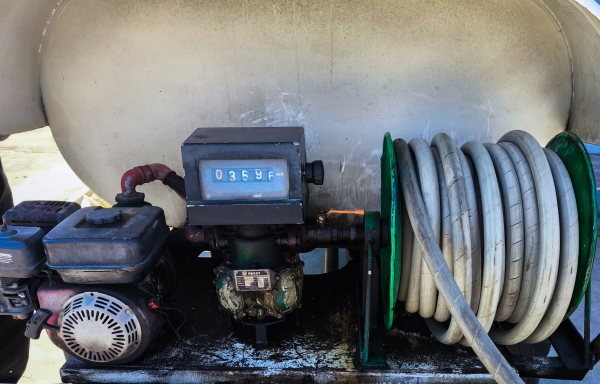
Short-term rental properties, including those listed on platforms such as Airbnb, could face closer monitoring as authorities cross-check rental registrations and declared income. Fuel distributors would be subject to enhanced oversight using inventory, transportation and location data to detect smuggling, tax fraud and fuel adulteration.
Commercial shipping, yacht charters and goods transportation would also come under increased scrutiny through interconnected registries and digital documentation.
Beyond financial data, the proposed infrastructure would incorporate GPS tracking, maritime traffic information, cameras, drones and sensors to support enforcement operations.
Tax and customs inspectors equipped with mobile devices would transmit findings directly to a central command center, where officials could monitor multiple investigations simultaneously and coordinate responses across different regions.
Regional control rooms, including facilities at major ports, would operate within the same network.
The initiative signals a shift from traditional, largely decentralized tax inspections toward a data-driven enforcement model combining predictive analytics with real-time operational oversight.
For Greece, the challenge will be translating these technological capabilities into more effective tax collection while managing the privacy, cybersecurity and accountability questions associated with increasingly sophisticated government surveillance.
The authority has yet to announce a budget or implementation timetable.