French diplomatic notification to Turkey raises questions over maritime sovereignty and the future of a strategic European energy project. A French diplomatic communication to Turkey concerning a planned electricity interconnection between Greece and Cyprus has triggered a political controversy in Athens, exposing the delicate balance between European energy ambitions and longstanding territorial disputes in the Eastern Mediterranean.
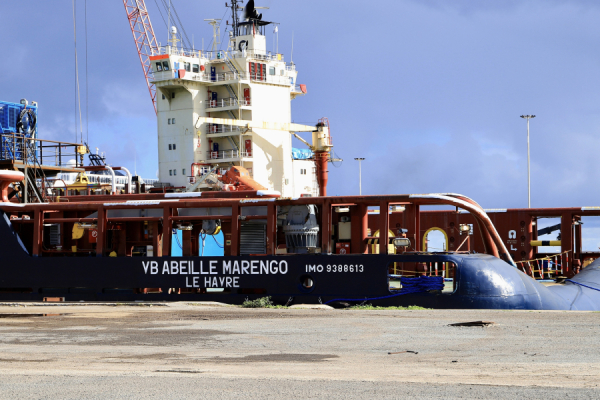
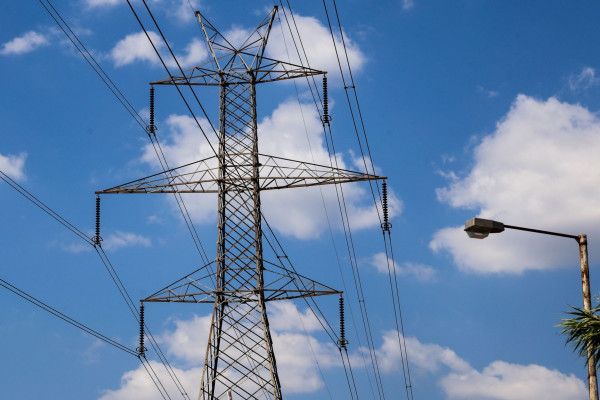
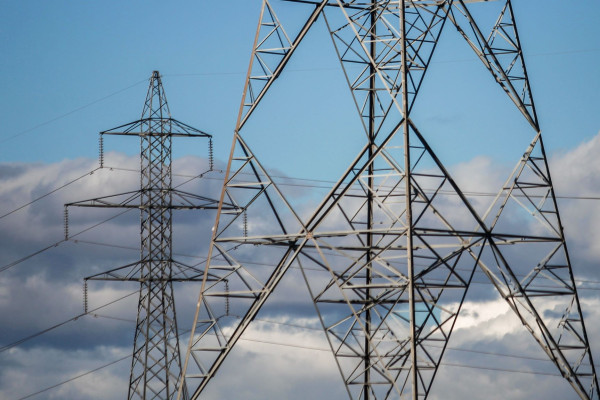
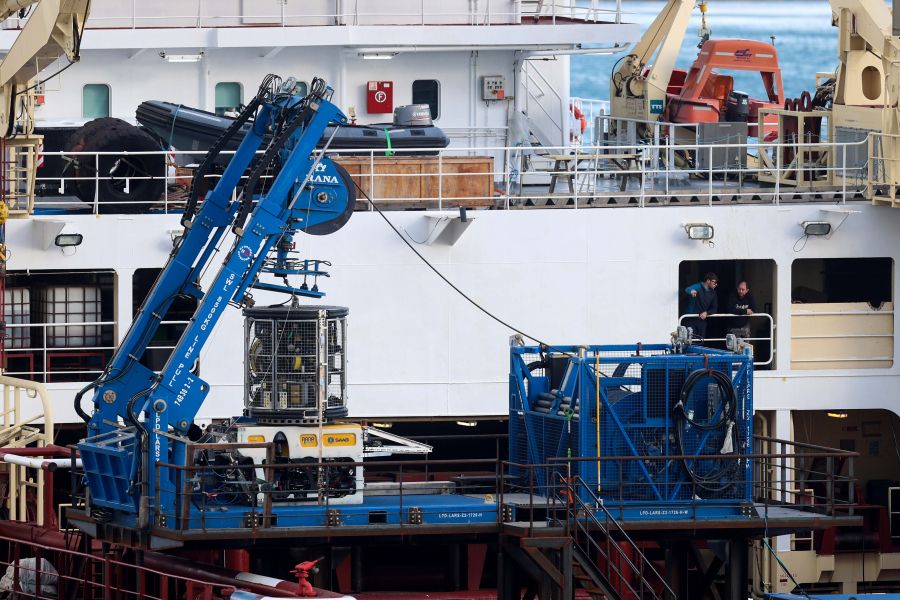
France formally notified Ankara that the French vessel Abeille Marengo would resume seabed surveys for the Great Sea Interconnector (GSI), a European Union-backed project designed to connect Cyprus to Europe's electricity grid through Greece.
The diplomatic note reportedly specified that the notification did not constitute recognition of Turkish jurisdiction over the waters involved. Nevertheless, the disclosure prompted sharp criticism from Greek opposition parties, which questioned whether Athens had authorized the communication and whether it could strengthen Turkey's competing maritime claims.
ΔΙΑΒΑΣΤΕ ΕΠΙΣΗΣ



The controversy highlights a central geopolitical challenge facing the project: Turkey disputes aspects of Greece's maritime jurisdiction in the Eastern Mediterranean and insists that certain offshore activities require its consent.
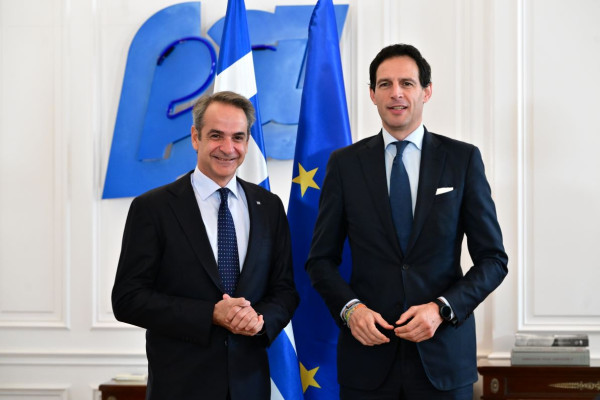
Greek Prime Minister Kyriakos Mitsotakis defended the project Sunday, emphasizing that Greece and Cyprus alone possess the authority to license the relevant surveys. He described the interconnector as a strategic investment supporting European energy security and regional stability.
Foreign Minister George Gerapetritis had previously insisted that Greece would neither seek Turkish permission nor formally notify Ankara, although he acknowledged that informal communication by contractors would carry no legal consequences.
Turkey, meanwhile, has adopted a comparatively restrained tone.
Despite issuing a counter-navigation warning challenging Greece's authority, Turkish Foreign Minister Hakan Fidan said Saturday that everything was proceeding normally. Turkish diplomatic sources also indicated that the immediate dispute had been resolved.
For Athens, the apparent de-escalation offers an opportunity to restart work suspended amid tensions in 2024. The French survey vessel is expected to depart Crete on Monday to resume operations.
Yet the political implications extend beyond the cable itself. Opposition parties, including the center-left PASOK, are demanding clarification of France's role, warning that diplomatic accommodation could establish precedents affecting Greece's sovereign rights.
The dispute also presents a broader test for the European Union: whether a strategic infrastructure project intended to reduce energy isolation can proceed without becoming entangled in unresolved maritime rivalries.
For now, Turkey appears reluctant to confront France or obstruct an EU-backed investment. But the underlying disagreement over who controls the waters remains unresolved, leaving the project's future vulnerable to another diplomatic confrontation.