Greece expects a sharp increase in liquefied natural gas imports through its main LNG terminal in 2027, highlighting the country’s expanding role as an energy gateway for southeastern Europe as the region continues to diversify its gas supplies.
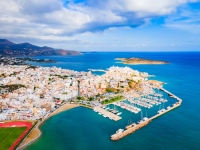
DESFA, Greece’s natural-gas transmission system operator, forecasts that LNG regasification volumes at the Revithoussa terminal, located on an island near Athens, will rise 43.2% to 35.18 billion kilowatt-hours in 2027, from an estimated 24.56 billion kWh in 2026.
The projections, outlined in a regulatory decision approved by Greece’s energy regulator, RAAEY, point to a substantial increase in terminal utilization as European countries seek alternatives to Russian pipeline gas.
ΔΙΑΒΑΣΤΕ ΕΠΙΣΗΣ
Peak regasification volumes expected in January at 4.72 billion kWh
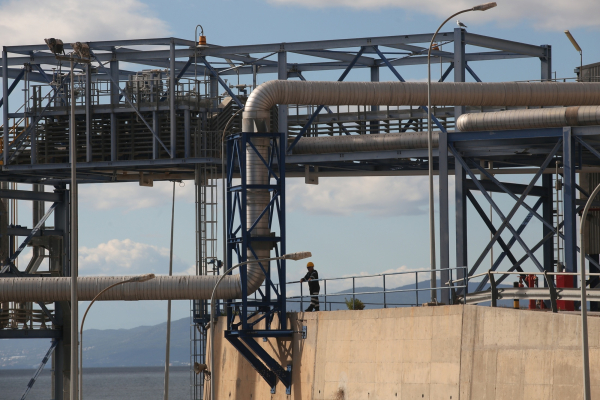
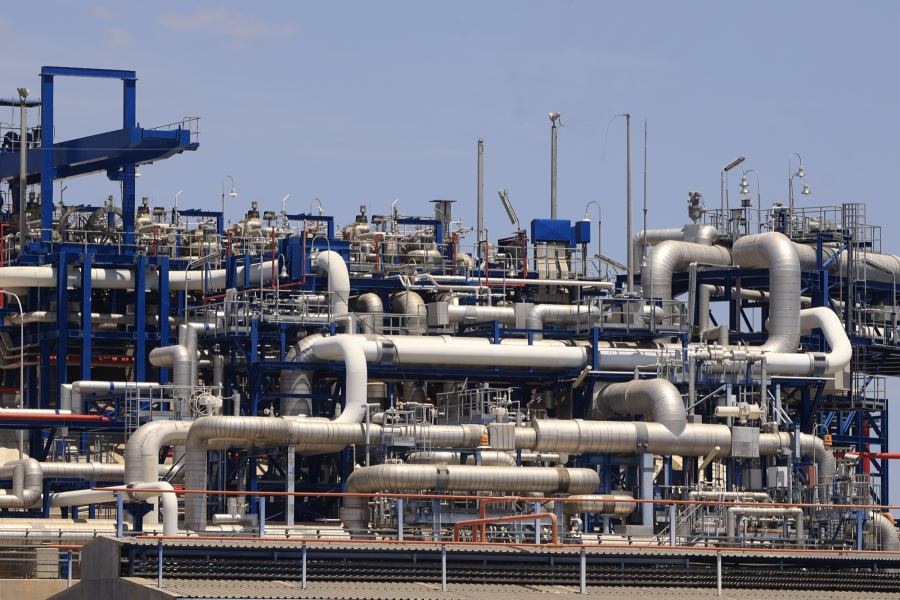
Revithoussa plays a central role in Greece’s gas infrastructure, receiving LNG shipments from international suppliers and converting the fuel back into gaseous form for distribution through the country's pipeline network. The facility also supports Greece’s ambitions to become a regional energy hub, supplying neighboring markets in southeastern Europe.
According to DESFA’s projections, the terminal will operate continuously throughout 2027, with peak regasification volumes expected in January at 4.72 billion kWh, followed by December at 3.52 billion kWh. July is also expected to see elevated activity, reflecting demand beyond the traditional winter heating season.
The anticipated increase in throughput will push the terminal’s operational gas requirements 16% higher to 300.23 million kWh, covering electricity and heat generation, regasification equipment and operational losses. Those requirements represent approximately 0.85% of projected regasification volumes, a level the regulator considers reasonable.
To secure the gas needed for terminal operations, DESFA has signed supply agreements with five energy companies: Motor Oil, DEPA Commercial, Metlen, Public Power Corp. and Enerwave.
The contracts run from January 2026 through January 2029, with an option for a one-year extension. Individual supply volumes will be awarded through competitive auctions based on the lowest offered price, with starting prices linked to Europe’s benchmark TTF natural-gas index plus a 20% premium.