
Greek households and businesses are heading into the autumn with the prospect of another increase in energy costs, as electricity, natural gas and fuel prices move higher and put renewed pressure on the government to keep consumer bills in check.
The average wholesale electricity price in Greece has hovered around €133 a megawatt-hour in August, up from €109.95 in July, an increase of roughly 20%. On some days, the pressure has been considerably stronger, with prices reaching as high as €184.47 a megawatt-hour, around their highest levels in a year.
The increase highlights a persistent vulnerability in Greece’s rapidly changing power market. Renewable energy has expanded substantially and can drive electricity prices sharply lower during periods of strong solar and wind generation. But when renewable output falls, the system remains heavily dependent on thermal power plants, particularly those fueled by natural gas.
ΔΙΑΒΑΣΤΕ ΕΠΙΣΗΣ



That dependence can quickly translate into higher wholesale prices.
The week of Aug. 17-23 offered a stark example. Domestic electricity demand was essentially flat, declining just 0.2%, yet the average wholesale price surged 41.2% to €144.41 a megawatt-hour. Renewable generation fell 34% over the same period, reducing renewables’ share of the power mix to 49%. Natural gas, meanwhile, accounted for 39% of generation, up from 28%.
The swings are particularly pronounced within individual days. Around midday, when Greece’s large fleet of solar installations is producing at high levels, wholesale electricity prices can fall substantially. After sunset, solar production disappears and gas-fired plants must shoulder more of the load, sometimes causing prices to more than double.
The pattern underscores one of the central challenges facing Greece as it increases the share of renewables in its energy system: storage capacity hasn’t expanded quickly enough to capture surplus low-cost electricity and shift it to periods when solar and wind generation decline. As a result, abundant renewable production during one part of the day doesn’t necessarily translate into consistently low prices for consumers.
For households and businesses, the immediate question is whether August’s wholesale increase will show up in September electricity bills.
Greece’s largest power suppliers have kept their consumer charges unchanged for five consecutive months, absorbing or otherwise managing fluctuations in wholesale costs. The latest increase, however, is making that strategy more difficult to sustain.
The government is examining ways to limit the impact on consumers. Options include encouraging electricity suppliers to absorb part of the increase or, if the pressure persists, introducing targeted government support. Athens has sought to avoid broad-based subsidies that could create a significant new burden for the state budget.
Electricity isn’t the only concern.
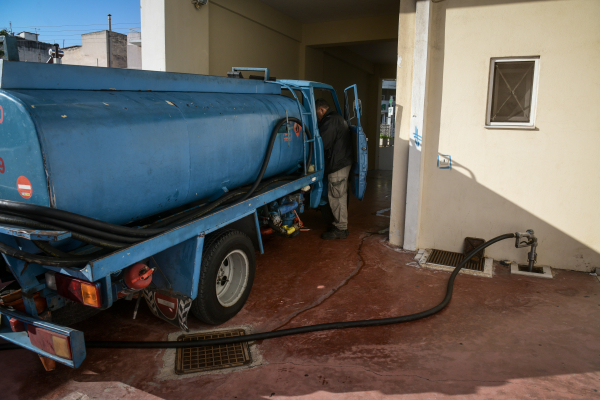
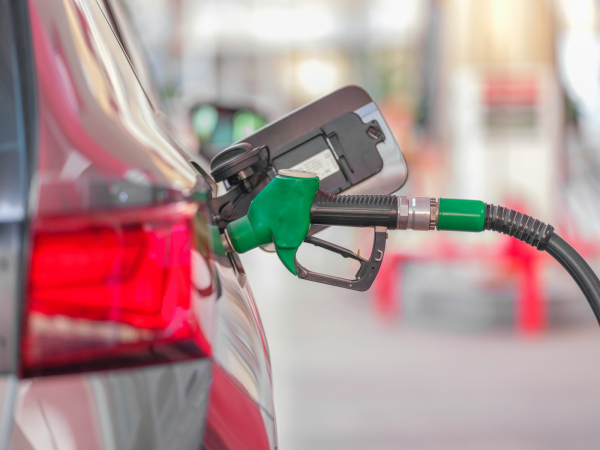
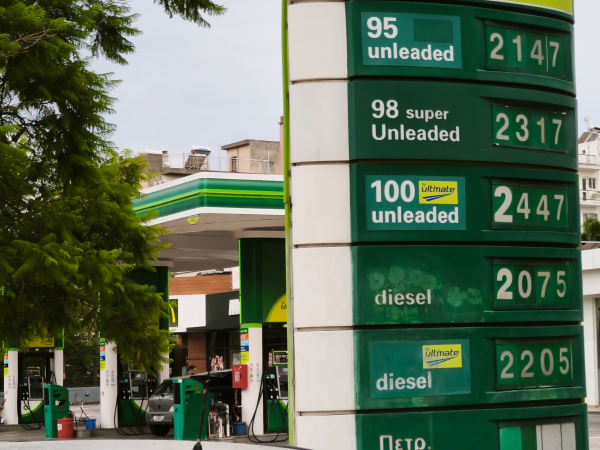
Motorists and companies that depend on road transport are also confronting substantially higher fuel prices. The nationwide average price of diesel has risen to €2.042 a liter, from €1.565 at the end of February, an increase of 47.7 euro cents a liter. Unleaded gasoline is averaging €2.033 a liter, compared with €1.751 in late February, an increase of 28.2 cents.
The increases have come despite subsidies and discounts intended to soften the impact. Measures financed by the government and Greece’s refining industry to contain fuel prices are estimated to have cost about €370 million. Even so, prices at the pump remain considerably higher, while Greece’s heavy taxation of motor fuels limits the extent to which declines elsewhere in the supply chain can translate into lower retail prices.
Taxes account for more than 56% of the final price of gasoline and roughly 45% of diesel, according to market data. That tax burden means movements in international oil prices—or discounts provided by refiners and distributors—aren’t fully reflected in what consumers ultimately pay.
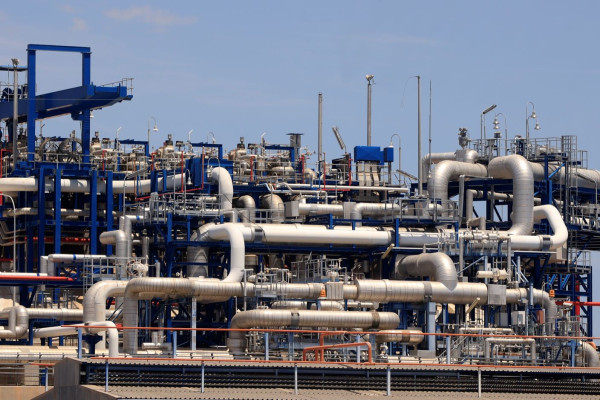
Natural gas is adding another layer of uncertainty. European benchmark TTF gas prices have moved higher during August, increasing the cost of electricity generated by Greece’s gas-fired power stations. Because those plants often set the marginal price of electricity when renewable output declines, higher gas prices can quickly ripple through the broader power market.
The combination poses a broader economic challenge for Greece. Elevated electricity costs weigh directly on household budgets but also increase operating expenses for manufacturers, retailers, hotels, transportation companies and other businesses. Higher fuel costs can spread further through the economy as companies pass transportation and logistics expenses along through higher prices.
That makes the trajectory of energy costs particularly important heading into the autumn, when electricity consumption patterns change and households begin preparing for winter heating expenses.
Persistent energy inflation is also increasing pressure on the government to find additional ways to cushion consumers without undermining its fiscal plans. So far, Athens has favored targeted measures rather than another sweeping subsidy program.
The government also appears reluctant to impose a new windfall tax on oil refiners, narrowing the potential sources of funding for additional relief.
For now, much will depend on whether the August increase in wholesale electricity prices proves temporary or marks the beginning of a more sustained rise. A recovery in renewable generation could ease pressure on the power market. Continued strength in natural-gas and oil prices, however, would move in the opposite direction.