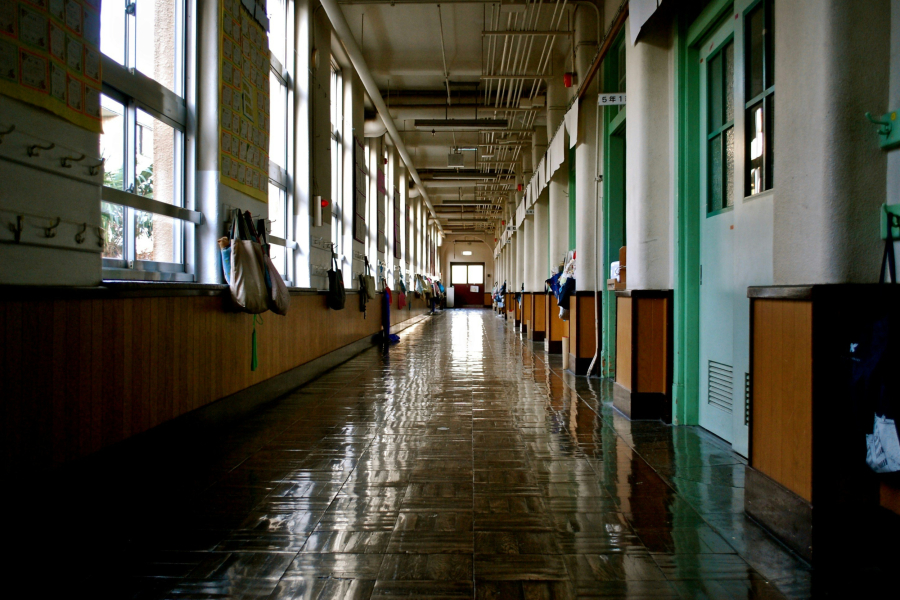
Greece’s public schools are preparing to reopen on Sept. 11 with tens of thousands of teaching vacancies, merged classes and shortages in support for students with special educational needs, prompting teachers to warn that the new academic year will begin far from normal conditions.
Teachers’ representatives estimate that about 45,000 positions remain vacant nationwide. The Education Ministry plans to hire roughly 30,000 temporary teachers in the first recruitment round, potentially leaving thousands of posts unfilled when students return to classrooms. The Competitive Teachers’ Coalition, a union-affiliated group known in Greece as Agonistiki Syspeirosi Ekpaideftikon, says the shortages could disrupt all-day schools, specialist subjects and even core classes. It also warns that some children entitled to “parallel support - dedicated assistance for students with disabilities or other special educational needs attending mainstream schools - could start the year without it.
The staffing crunch has also intensified opposition to the consolidation of classes and schools. Teachers say some classes will have 25 to 27 students, arguing that mergers are being used to stretch limited personnel rather than address underlying shortages. Permanent recruitment has become another point of contention. The teachers’ group says 5,000 permanent appointments are being made, compared with 10,000 previously announced, and argues that the new hires will barely offset summer retirements. Greece’s schools have long relied heavily on temporary teachers to cover recurring vacancies.
ΔΙΑΒΑΣΤΕ ΕΠΙΣΗΣ


Funding and infrastructure are adding to the pressure. Educators say changes following the abolition of local school committees have complicated the financing of everyday expenses, sometimes leaving teachers and parents to cover small but necessary costs. They also cite unresolved problems involving earthquake protection, roofs, plumbing, electrical systems and general maintenance.
Housing costs pose a separate challenge, particularly for temporary and newly appointed teachers sent to Greek islands and other expensive areas. Teachers say salaries have failed to keep pace with rents and transportation costs, making some postings increasingly difficult to afford.
Unions are demanding that all vacancies be filled immediately, class sizes reduced, special-education support expanded and state funding for school infrastructure increased. They are also seeking higher salaries and the restoration of additional annual salary payments eliminated during Greece’s debt crisis. Teachers plan to take their demands to a nationwide demonstration on Sept. 5 during the Thessaloniki International Fair.
For educators, opening schools on schedule isn’t the same as returning to normal. “Education is not a cost,” the teachers’ group said. “It is a right.”