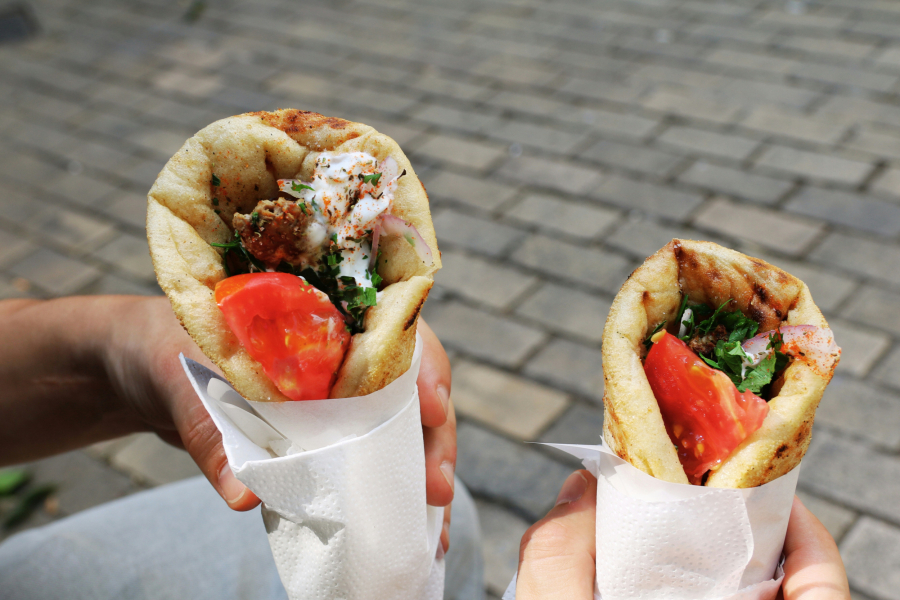

For Greeks, the pita gyros has long been more than fast food. Stuffed with grilled meat, tomatoes, onions, tzatziki and often fries, it is a fixture of everyday life - and traditionally an inexpensive one. It can also provide an unconventional measure of what a paycheck is worth.
In 1985, a Greek worker earning the minimum wage could theoretically buy 482 pita gyros with one month’s take-home pay. In 2026, the same calculation yields just 165. That decline spans Greece’s transition from the drachma to the euro, bouts of inflation, the sovereign-debt crisis, years of wage compression and, more recently, sharp increases in food prices.
The comparison comes from “Gyronomics,” an experimental index that measures the purchasing power of Greece’s net minimum wage in terms of how many pita gyros it can buy each month. Gyronomics estimates that a pita gyros cost an average of 60 drachmas in 1985, equivalent to roughly €0.18 using the conversion rate later established for Greece’s adoption of the euro. That gave a minimum-wage worker purchasing power equivalent to about 482 gyros.
ΔΙΑΒΑΣΤΕ ΕΠΙΣΗΣ



But 1985 wasn’t the peak
But 1985 wasn’t the peak. The index climbed to 597 gyros a month in 1998. Since then, the trend has reversed as gyros prices have increasingly outpaced wages.
The shift has accelerated recently. Gyronomics puts the price at about €2 in 2019, rising to €2.50 in 2020, €3.20 in 2022, €3.80 in 2024 and €4.70 in 2025.
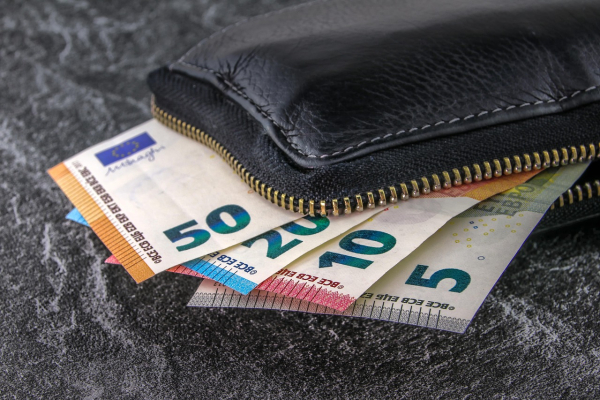
Wages have risen, too. For 2026, the index uses a statutory monthly minimum wage of €920, effective from April 1, and calculates purchasing power using take-home pay. The index has limitations. Historical prices aren't available for every year, requiring estimates based partly on inflation data, while a single food item can’t capture changes in overall living standards.
Still, the comparison illustrates a broader challenge for Greece. After years of economic crisis and austerity, the economy has returned to growth and minimum wages have increased. But households also face higher costs for food, housing, energy and other essentials.
For workers, what matters isn’t simply the number of euros on a payslip. It is what those euros can buy. By that measure, the humble gyros tells a striking story: wages have risen, but everyday purchasing power has struggled to keep up.