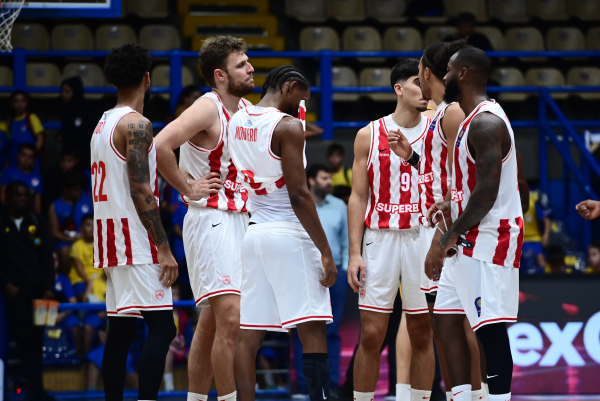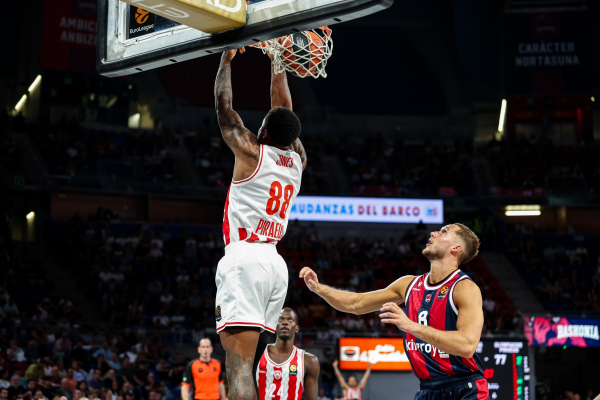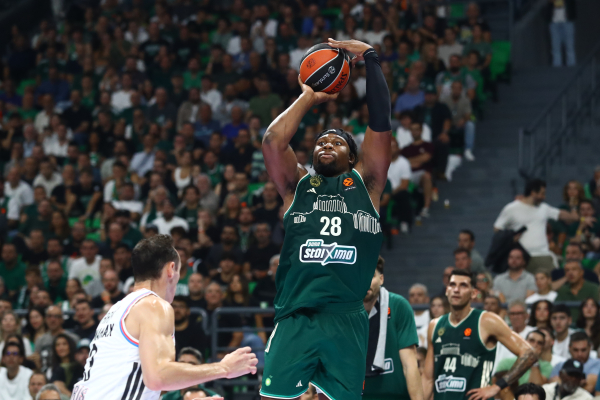


The NBA’s planned entry into the European basketball market through a new competition in partnership with FIBA is not only poised to reshape the business landscape of European basketball - it could also dramatically alter the future of powerhouse clubs such as Panathinaikos BC and Olympiacos B.C..
The key question now dominating European basketball circles is whether today’s EuroLeague will ultimately be absorbed into the NBA-backed project or continue to operate as a separate competition. Among the scenarios being discussed, the EuroLeague could either be fully integrated into “NBA Europe” or effectively transformed into a second-tier continental competition beneath the Americans’ new league, largely replacing the current Basketball Champions League.
According to information presented to international investors, the NBA aims to bring all current EuroLeague clubs into the ecosystem it is designing. The initial format reportedly envisions a 16-team league, with 12 clubs holding permanent franchise-style licenses and four additional spots awarded annually based on sporting merit. Unlike the relatively closed structure of today’s EuroLeague, any professional club in Europe could theoretically compete for one of those places through domestic or international competition.
The NBA believes the tournament could expand rapidly, growing to 18 teams and eventually 24 by its seventh season. That would create an entirely new reality for major organizations such as Panathinaikos and Olympiacos, widely regarded as two of the most historic and commercially valuable brands in European basketball.
For the two Greek clubs, participation in an NBA-backed competition could represent a major financial leap forward. The proposed league promises increased television revenue, broader commercial exposure, and significantly larger sponsorship opportunities. The NBA has already informed investors that it plans to commit more than $3 billion to support the league during its early years, covering operating costs, marketing, and even potential team losses.
However, the project also comes with substantial financial demands. Despite ongoing discussions with the EuroLeague, the NBA reportedly remains firm on one point: every club granted a permanent license would be required to pay a franchise fee to join the system. The size of that fee is expected to depend on each club’s market value, meaning historic brands from larger markets could face especially high entry costs.
That raises major questions for the current shareholders and license holders of the EuroLeague. Panathinaikos and Olympiacos, along with several other traditional European powers, have already invested significant money and political capital into the existing model. In the event of a full transition to NBA Europe, those clubs would effectively need to renegotiate their place within a completely different economic and governance framework.
At the same time, the shift could transform the structure of European basketball as a whole. If the EuroLeague becomes a secondary competition beneath NBA Europe, the balance of power between FIBA, the EuroLeague, and domestic championships would change dramatically. Greek clubs, in particular, could face new dilemmas regarding scheduling, domestic obligations, and participation in European competitions.
A model featuring more international games and fixed commercial commitments could reduce the importance of national leagues or trigger new scheduling conflicts. The EuroLeague already struggles at times to coordinate its calendar with domestic championships, and an even more demanding NBA Europe structure could intensify those pressures.
Significant changes could also emerge on the court. With stronger financial backing and a more stable economic model, Europe’s elite clubs would have a greater ability to retain star players and compete more directly with the National Basketball Association in terms of both quality and commercial appeal.
Industry insiders believe the interest shown by more than 120 investors and international funds demonstrates that the NBA now views Europe as a strategic growth market rather than merely a regional basketball scene.
In this evolving environment, organizations with deep history, modern arenas, and massive fan bases — such as Panathinaikos and Olympiacos — are expected to play a central role in the sport’s next chapter.
Whether the two Greek giants ultimately join the new project or choose to support the current EuroLeague model remains uncertain. What is clear, however, is that European basketball is entering a period of profound transformation, with the NBA making its strongest push yet to establish a central role in the European market.