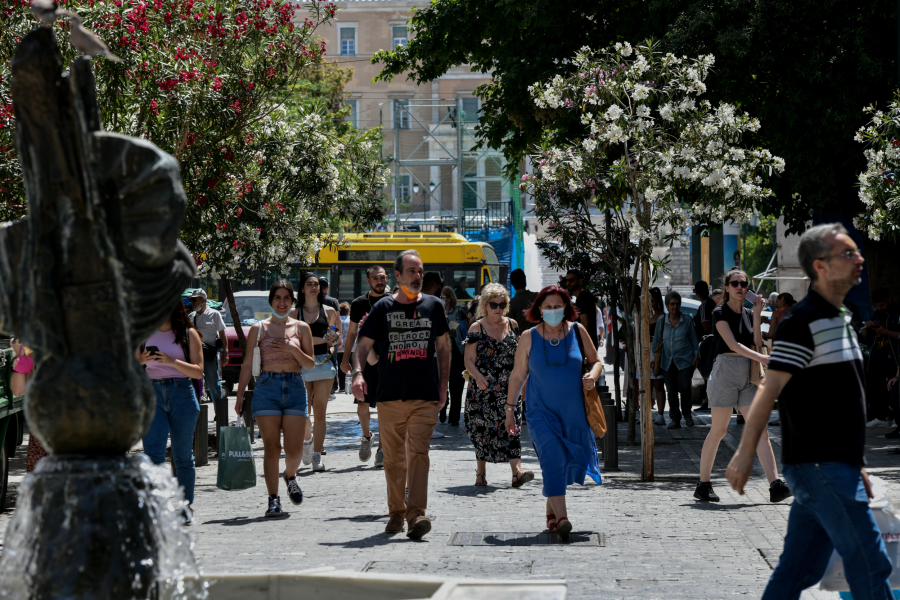

Greece’s battle with inflation is flaring up again, raising fresh concerns that the country’s cost-of-living crisis could intensify through the summer and into the autumn, even as much of Europe begins to see price pressures ease.
New figures released by the Hellenic Statistical Authority showed annual inflation accelerating to 5.4% in April, a sharp increase from 2% a year earlier. Consumer prices also rose 1.5% from March, underscoring how quickly inflationary pressures are spreading across the economy.
The rebound is being driven by a broad range of sectors central to everyday spending. Housing costs jumped 13.8% from a year earlier, transport prices rose 10%, and hotels, cafés and restaurants recorded increases of more than 6%, reflecting the combined impact of higher energy costs, rising rents and strengthening tourism demand.
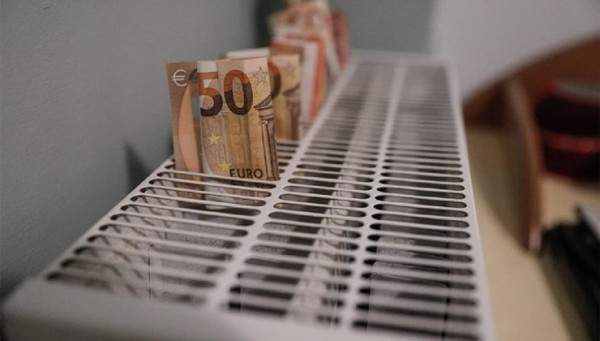
Energy remains the clearest source of pressure. Heating oil prices surged more than 53% year-on-year, while gasoline climbed 17.1% and natural gas nearly 20%. Economists say those increases are now feeding into nearly every part of the economy, from freight and logistics to food production and consumer services.
For Greek households, the renewed rise in prices comes at a difficult moment. Although wage growth has improved in some sectors, disposable incomes remain under strain after years of economic turbulence and repeated inflation shocks since the pandemic and the energy crisis triggered by Russia’s invasion of Ukraine.
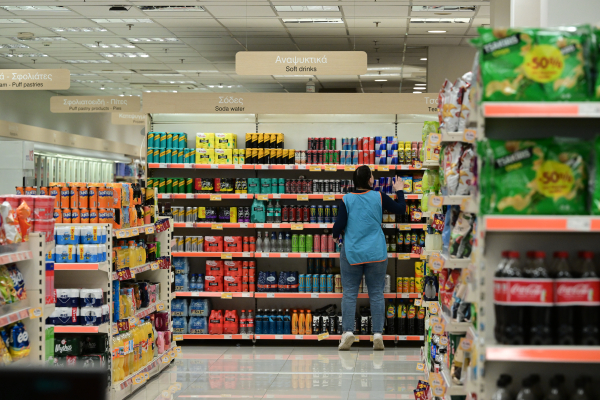
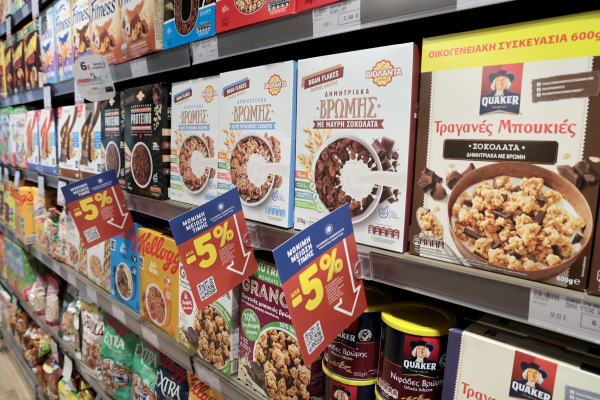
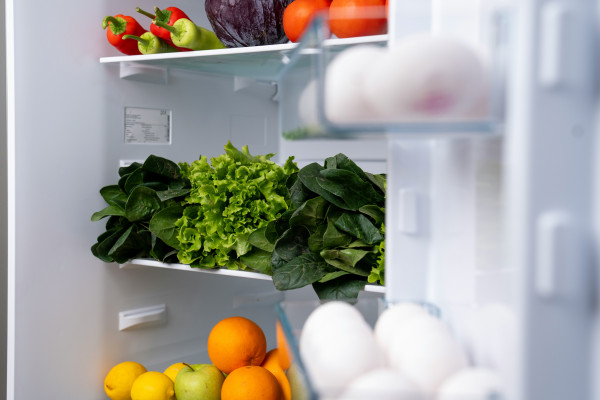
Food prices, while less volatile than energy, continue to trend upward. Beef prices rose 19.2% from a year earlier, fruit increased 7.5%, vegetables 7.1% and coffee nearly 8%. The lone exception was olive oil, where prices fell almost 18% after production recovered from last year’s supply shortages. Still, the broader pattern suggests that grocery inflation remains deeply embedded in the economy.
The outlook for the months ahead is closely tied to Greece’s tourism season, one of the country’s most important economic engines. As visitor numbers climb over the summer, businesses in transport, hospitality and food services are expected to pass higher operating costs on to consumers, adding another layer of inflationary pressure.
At the same time, Greece’s housing market is becoming a growing source of concern. Rents have continued to rise steadily, particularly in Athens and other urban centers, where limited housing supply and increased short-term rental activity have intensified competition for apartments. The result is a mounting burden on urban households already grappling with higher utility and food bills.
Analysts also point to a delayed pricing effect now moving through the economy. Many companies initially absorbed part of the increase in raw material and energy costs in an effort to protect demand. As margins tighten, however, businesses are increasingly transferring those costs to consumers, particularly in food and retail sectors.
The broader concern is that inflation in Greece is no longer confined to temporary supply disruptions or imported energy costs. Instead, it is becoming more structural, spreading through services, housing and domestic consumption. Unless global energy prices ease significantly or economic demand weakens later in the year, economists expect price pressures to remain elevated through at least the autumn.
The renewed inflation surge is also likely to test government policy. While Athens has relied heavily on subsidies and temporary support measures in recent years, economists argue that longer-term solutions will require deeper structural reforms aimed at improving competition, increasing market transparency and tightening oversight in sectors such as energy and food distribution.
For consumers, however, the immediate reality is simpler: after years of crisis and recovery, the cost of daily life in Greece is climbing once again.