
Today, Thursday, February 26, a Greek court is expected to deliver its verdict in the trial stemming from the country’s far-reaching phone-tapping scandal. The prosecutor has sought the conviction of all four defendants, a case widely seen as touching the heart of democratic accountability in Greece.
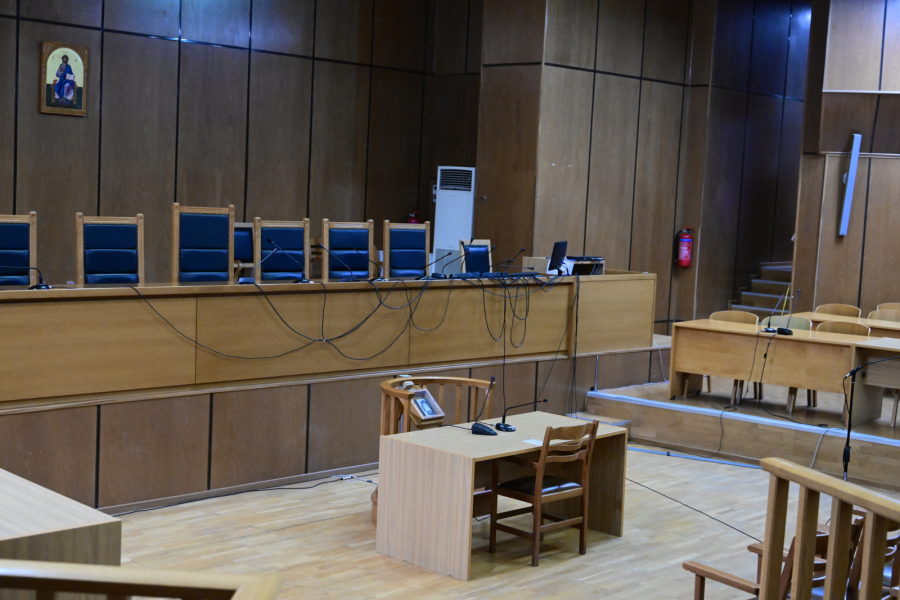
After a five-month court process marked by extensive testimony and documentary evidence, the Athens Single-Member Misdemeanor Court is set to issue a ruling that goes beyond individual criminal responsibility and raises broader questions about the functioning of state institutions and the protection of fundamental rights. The decision, expected to be announced on the morning of February 26 following more than forty hearings, concerns four business figures alleged to be connected to illegal phone surveillance conducted through the spyware known as Predator. The case has become one of the most controversial and politically sensitive in Greece in recent years, as Predator is capable of covertly accessing mobile phones, monitoring communications, and extracting personal data without the user’s knowledge.
The defendants face multiple charges, including interference with systems storing personal data, violations of the confidentiality of telephone and oral communications, and unlawful access to information systems. The alleged offenses are said to have been carried out jointly, repeatedly, and both successfully and in attempted form.
Despite maintaining their innocence, the four defendants chose not to testify before the court or respond to questions from the prosecutor and the presiding judge. Instead, they exercised their legal right to remain silent and were represented exclusively by their lawyers throughout the proceedings.
In his closing argument, prosecutor Dimitris Pavlidis called for the conviction of all four men, following what he described as an exemplary judicial process. He also urged the court to reclassify certain acts from “continuous offenses” to “multiple counts,” a legal distinction that, if accepted, could lead to heavier sentences. Pavlidis emphasized that the use of Predator is illegal under Greek law, warning that it constitutes a serious violation of personal data and a direct threat to democratic governance by concentrating excessive power in unauthorized hands. He stressed that there is no doubt the spyware was active within Greek territory.
During his extended address to the court, the prosecutor outlined the complex network of companies and individuals linked to the Predator operation. He underlined that, had the alleged acts occurred at a later point in time, the case would not have been tried by a single-member court. This, he noted, was evident from the sheer volume of documents and witnesses involved. All four defendants are being tried under a more lenient 2019 law, which downgraded the offense of violating the secrecy of communications from a felony to a misdemeanor—a legal change that significantly shaped the course of the trial.