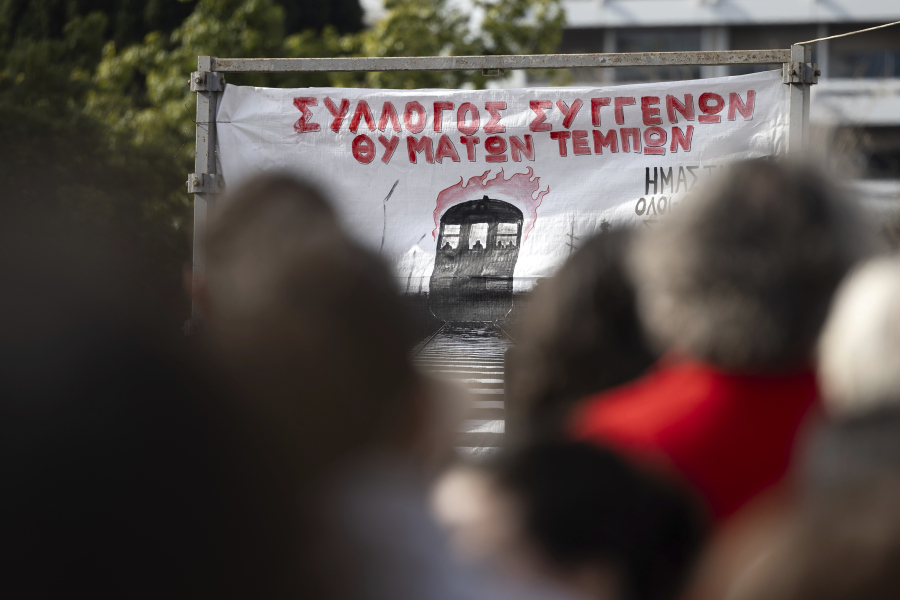
Workers, school pupils, university students, and citizens across Greece are preparing to take to the streets on Saturday, February 28, to mark three years since the Tempi rail disaster, one of the deadliest transport tragedies in the country’s modern history. The mobilizations are being held in coordination with the Association of the Victims’ Relatives and aim to commemorate the 57 people who lost their lives when two trains collided near the Tempi valley in central Greece in 2023.
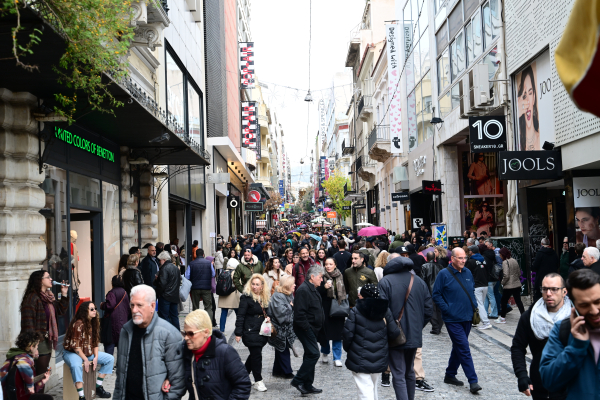
Rallies and demonstrations are planned in dozens of cities nationwide, including Athens, Thessaloniki, Larissa, Patras, Chios, Kalamata, and Chania. Protesters are expected to gather in central squares and prominent public spaces, sending a unified message that the Tempi tragedy must not be normalized or forgotten. Organizers stress that the demonstrations are not only acts of remembrance but also demands for accountability, safer public infrastructure, and justice for the victims and their families.
Labor unions play a central role in the mobilizations. The Athens Labor Center has called a 24-hour general strike for the day, a move echoed by other labor centers across the country, as well as by the Panhellenic Seamen’s Federation, which has announced a strike affecting maritime transport. Major worker federations, including those representing construction workers and private sector employees, are urging widespread participation at workplaces and construction sites, framing the tragedy as a consequence of systemic neglect and profit-driven policies.
The main rally in Athens is scheduled for noon in Syntagma Square, in front of the Greek Parliament, while Thessaloniki’s demonstration will take place at the same time at the Venizelos Statue in the city center. In Patras, workers will gather earlier in the morning, while in Larissa - the city closest to the crash site - events include a midday rally and an evening concert dedicated to the victims.
Students are also playing a prominent role. School student groups and university associations have announced a series of marches and commemorative actions running from February 25 to 28. Their stated aim is to honor those who died while pressing for meaningful reforms and genuine accountability.
For many participants, the anniversary represents a broader struggle over public safety, state responsibility, and the value of human life. Three years on, the Tempi disaster continues to resonate deeply in Greek society, symbolizing unresolved questions about infrastructure, oversight, and justice that extend far beyond a single tragic night.