The conclusions of Greece’s political parties on the OPEKEPE scandal were made public on Tuesday, revealing deep divisions over responsibility for alleged misuse of European Union agricultural subsidies. The ruling New Democracy party rejected claims of wrongdoing, despite findings by the European Public Prosecutor’s Office that, according to the opposition, point to clear political accountability.
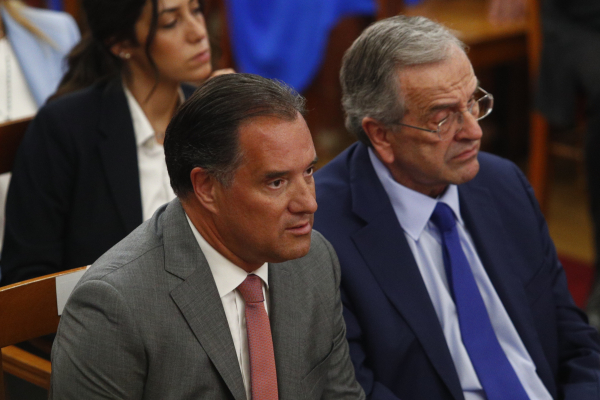
The government majority and opposition parties reached sharply contrasting assessments of the scandal involving OPEKEPE, the Greek authority responsible for managing EU farm payments. New Democracy argues that the problems uncovered are systemic, longstanding, and span multiple governments, while insisting that no criminal liability can be attributed to former ministers Makis Voridis and Lefteris Avgenakis. Opposition parties, by contrast, maintain that evidence warrants a formal preliminary criminal investigation into both men.
In the report it submitted to the parliamentary inquiry committee, New Democracy defended the decision to establish an inquiry rather than a preliminary investigation committee, describing it as institutionally appropriate. The party emphasized that testimony and documentary evidence did not substantiate criminal responsibility for the two former ministers of Rural Development. According to the ruling party, deficiencies at OPEKEPE are chronic and cross-party in nature, while particular responsibility is attributed to the SYRIZA-led government for the implementation of the so-called “technical solution” governing grazing land eligibility for subsidies. The report also alleges clientelist practices involving figures linked to PASOK.
New Democracy highlighted the length and scope of the inquiry—five months of proceedings, dozens of hearings, and extensive witness testimony—as proof of its commitment to a thorough investigation. It concluded that neither Voridis nor Avgenakis intervened improperly in audit procedures or subsidy disbursements and that actions attributed to them did not meet the legal threshold for criminal conduct. The government reiterated its pledge to reform the agricultural subsidy system to ensure that EU funds are directed solely to legitimate farmers and producers.
PASOK strongly rejected this assessment, accusing the government of using the inquiry committee as a means to shield former ministers from judicial scrutiny and to cover up the scandal. In its own report, the party argues that sworn testimonies, internal documents, and administrative decisions reveal indications of criminal liability for both Voridis and Avgenakis. PASOK is calling for the establishment of a preliminary investigation committee, citing suspected aiding and abetting of breach of trust against the financial interests of the European Union, with alleged damages exceeding €120,000.
A joint report by SYRIZA and the New Left reached similar conclusions, also demanding a preliminary investigation into the two former ministers. The parties argue that the case involves potential felony offenses related to the misuse of EU funds and extends beyond individual actions to a broader system of artificially created subsidy eligibility, weakened oversight, and the distribution of funds to fictitious or non-entitled beneficiaries. They warn that the financial damage to the European Union could amount to hundreds of millions of euros.
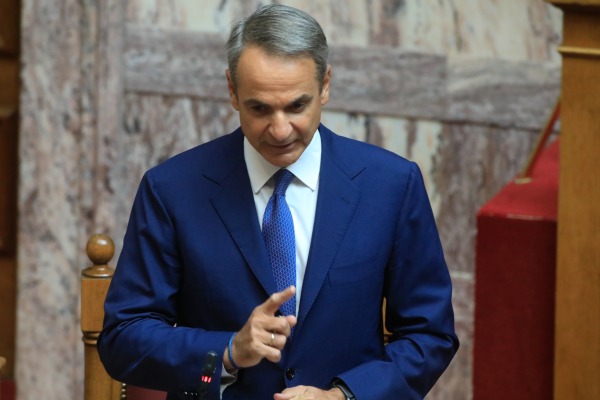
The joint report further expands responsibility to the core of Greece’s centralized “Executive State” model, arguing that political accountability cannot be fragmented when decision-making authority is concentrated. It raises pointed questions about whether Prime Minister Kyriakos Mitsotakis was aware of the systemic failures and failed to intervene, or whether the government’s narrative of effective centralized governance is fundamentally undermined.
Opposition parties insist that the establishment of a preliminary investigation committee is not an act of political expediency but a constitutional necessity aimed at ensuring transparency, accountability, and the protection of public and European funds. They argue that the OPEKEPE scandal represents not a technical administrative failure, but a serious political case with institutional implications, stressing that public trust and democratic accountability require clear answers rather than silence.