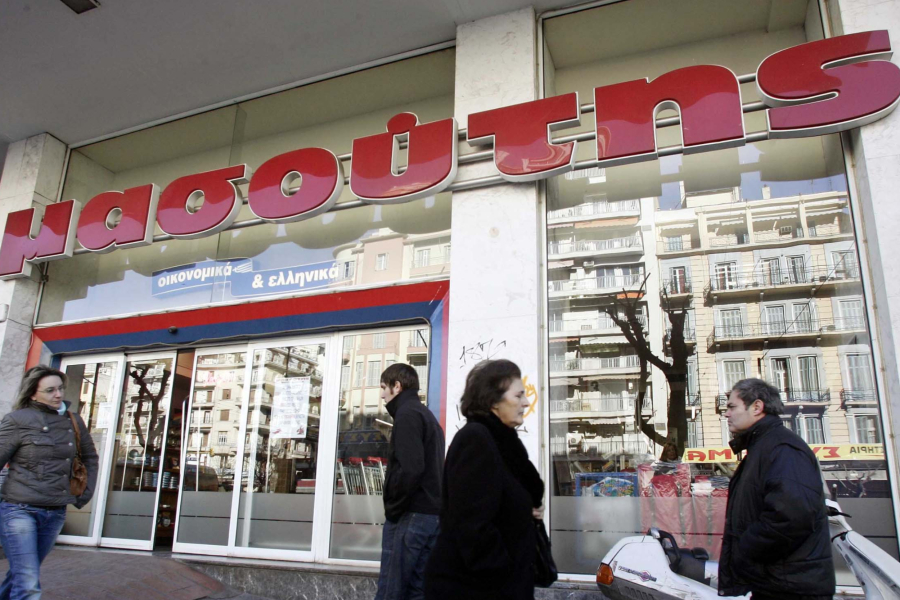
A preliminary agreement for the acquisition of 100% of ANEDIK Kritikos SA by Diamantis Masoutis SA marks a decisive moment for Greece’s food retail industry. More than a standard consolidation deal, the transaction brings into sharp focus a clear duopoly that is reshaping competitive dynamics in one of the country’s most important consumer sectors. For the first time, Masoutis emerges as a national-scale counterweight to the long-dominant Sklavenitis Group, narrowing the gap not only in size but also in geographic coverage, network depth, and negotiating leverage.
Pending regulatory approval, the deal creates a group with annual revenues approaching €2 billion and a nationwide footprint that Masoutis did not previously possess. Until now, its strength was concentrated mainly in northern Greece and select urban markets. The integration of Kritikos, a chain with a dense presence in neighborhood locations—particularly in the Athens metropolitan area—transforms Masoutis into a genuinely national player.
The financial profile of the combined group underlines the shift. In 2024, Masoutis reported revenues of €1.14 billion, EBITDA of €72.2 million, and total assets of €813 million, operating 382 stores and employing more than 13,000 people. Kritikos closed the same year with sales of €777.7 million, EBITDA of €37 million, assets of €419 million, and a network of around 874 stores. On a pro-forma basis, the merged entity reaches €1.92 billion in revenues, EBITDA exceeding €109 million, and total assets of more than €1.23 billion.
Scale, however, is only part of the story. The combined network will consist of approximately 1,256 stores across the country, blending Masoutis’ presence in larger formats and regional hubs with Kritikos’ strong penetration in local and residential markets. The workforce will exceed 16,700 employees, placing the new group among the largest private-sector employers in Greece and giving it operational breadth that few domestic competitors can match.
This expanded footprint significantly strengthens the group’s position in supplier negotiations. Higher purchasing volumes and a broader logistics infrastructure create economies of scale that were previously enjoyed almost exclusively by the market leader. These efficiencies can be deployed to support more competitive pricing, protect margins in an inflationary environment, or fund investments in technology and distribution.
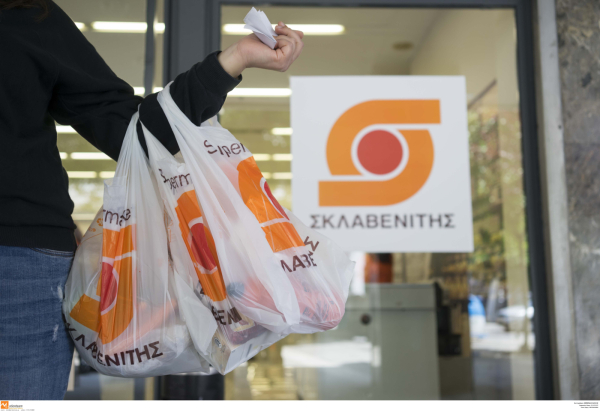
Price leadership is a critical battleground. Sklavenitis has built its dominance on disciplined cost management and strong consumer trust around consistently low prices. Masoutis’ enlarged scale now allows it to challenge that positioning on a national level, rather than as a regional challenger.
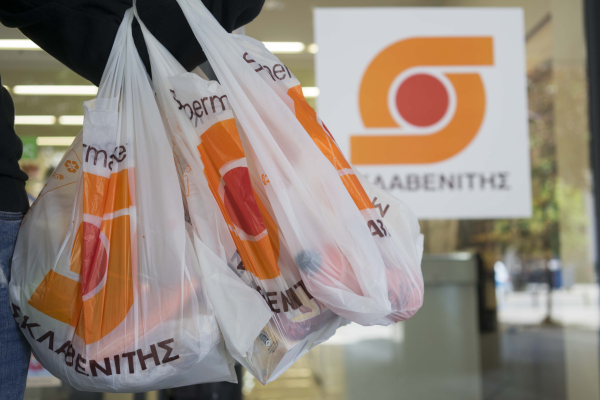
The disparity in absolute size remains considerable. Sklavenitis closed 2024 with consolidated revenues of €5.56 billion, EBITDA of €374.6 million, and net profits of €108.7 million. Total assets stood at €3.67 billion, while the group operated 542 stores and employed nearly 40,000 people. These figures confirm its status as the undisputed market leader and one of the largest employers in the country.
Yet the strategic landscape is changing. The emergence of two dominant, nationally integrated groups is likely to accelerate further consolidation across the sector. Smaller chains and local operators will face increasing pressure to compete on price, logistics efficiency, technology, and workforce investment—areas where scale is becoming decisive. For international observers, Greece’s supermarket market is now entering a phase familiar across many mature European economies, where a small number of large players set the terms of competition. The Sklavenitis–Masoutis duopoly is poised to shape pricing, supplier relations, and investment priorities, signaling the start of a new chapter for the industry.