Greece continues to rank among the European countries with the heaviest taxation on fuel and energy, a policy that places a growing strain not only on households but also on businesses struggling to remain competitive. At the center of this burden are excise duties, which apply across virtually all energy products—from gasoline and diesel to electricity and natural gas.
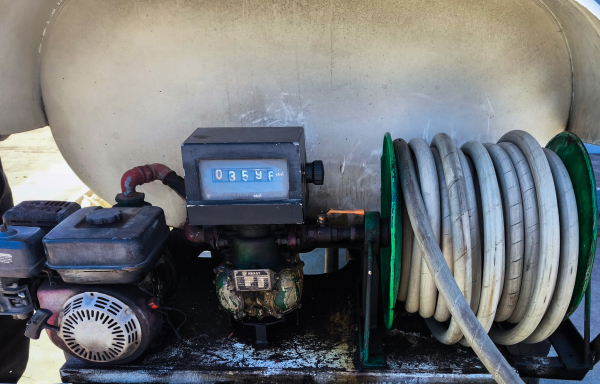
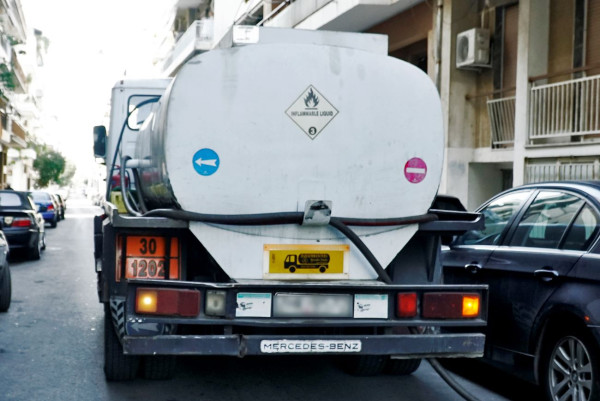
Unleaded gasoline carries one of the steepest charges, with duties set at €700 per 1,000 liters, while other fuel categories are taxed at rates between €681 and €697. Diesel, heating oil, and kerosene are subject to a levy of €410 per 1,000 liters. Liquefied petroleum gas (LPG) is taxed according to its use: €430 per 1,000 kilos for vehicle fuel, €60 for heating, and €120 for industrial applications.
Electricity is treated separately, with taxes calculated per megawatt hour. High- and medium-voltage businesses pay €5/MWh for consumption up to 10,000 MWh and €2/MWh for larger volumes. Other professional users face a flat rate of €5/MWh, while households are charged €2.2/MWh. Natural gas is subject to a tiered system: residential heating is taxed lightly at €0.3 per gigajoule, but other uses start at €1.5, with the rate gradually reduced for very large volumes.
Other fuels are not exempt from the fiscal squeeze. Lignite, coal, and coke are taxed at €0.3 per gigajoule, while biofuels are treated on par with fossil fuels, facing duties of €410 per 1,000 liters. Heavy fuel oil carries a levy of €38 per 1,000 kilos, and specialized hydrocarbons such as aromatics are taxed at €372.
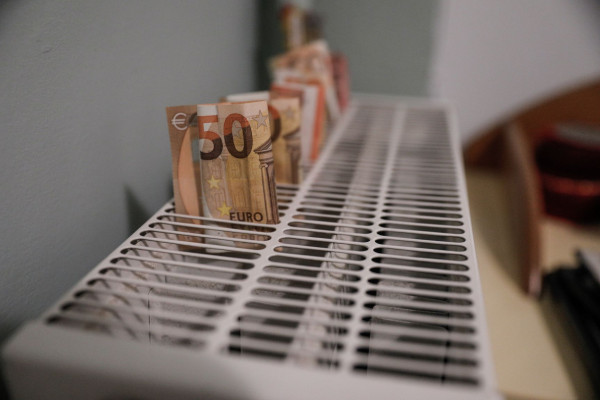
The result is a system that leaves households grappling with higher heating and transportation costs, while energy-intensive industries warn of an increasingly untenable situation. Business leaders argue that without significant government intervention, Greece risks losing important production capacity, as companies struggle to absorb costs that remain stubbornly higher than much of Europe.