
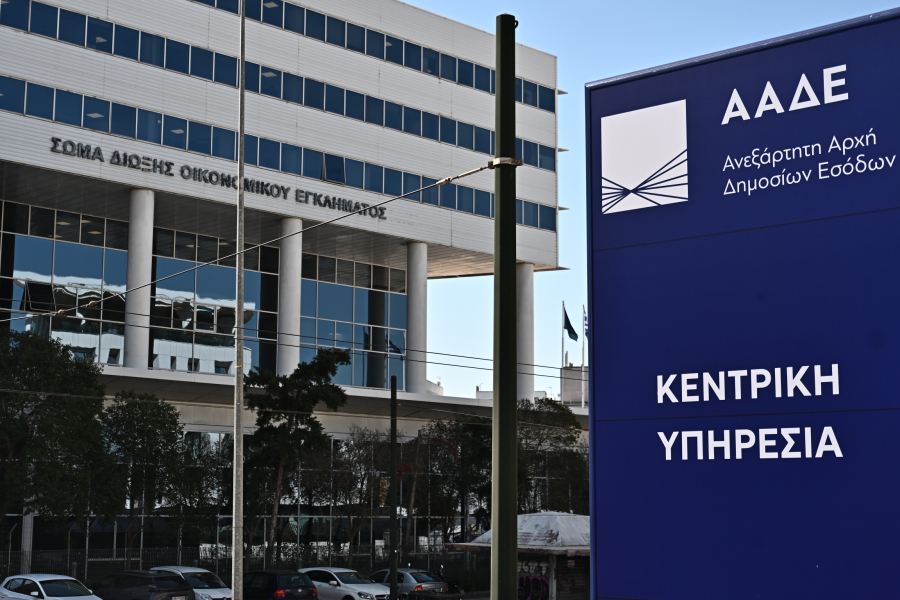
A decision published in Greece’s Government Gazette by the head of the Independent Authority for Public Revenue (AADE), Giorgos Pitsilis, has introduced a significantly stricter and more detailed framework for monitoring the assets of the agency’s employees. The move is presented as part of a broader effort to boost transparency, safeguard institutional integrity, and better prevent or address corruption within the country’s tax administration.
Under the new rules, not only AADE employees but also their family members may be examined if their financial information affects the overall picture of an employee’s wealth. The audit covers all types of assets, whether movable or immovable, and aims to determine whether these can be justified by lawful income.
The entire process is confidential, and Economic Inspectors are required to maintain strict secrecy even after leaving their positions. Audits may begin either in a targeted manner, on a random sample basis, or following a complaint that has been evaluated by AADE’s Internal Affairs Directorate.
Auditors are granted access to a broad array of financial information, including bank account activity, insurance data, stock market transactions, and information obtained through international exchanges. Particular attention is paid to so-called “primary deposits”—sums that appear in bank accounts without a clear or legitimate explanation for their source. The decision also lays out a detailed methodology for comparing income, expenses, and changes in bank balances in order to identify any unexplained increase in wealth. Discrepancies that cannot be justified are classified as illicit financial gain and may result in disciplinary or even criminal proceedings.
Employees are formally notified when they are selected for review and must complete extensive forms providing personal, family, and financial details. If any doubts arise, they may be asked to submit further explanations within twenty working days. After this stage, the auditor compiles a final report. If the employee’s financial status is found to be justified, the case is closed. If not, the file is forwarded to the competent authorities for further action, and in cases where the state may have suffered financial loss, Greece’s Court of Audit is also informed.