Greece is rolling out a major reform to the way it calculates notional living expenses for car ownership, a system known locally as tekmeria. Until now, these tax benchmarks were tied to engine size, penalizing newer vehicles with larger displacements while giving steep discounts to older cars. The new framework, however, shifts the focus entirely to carbon dioxide emissions, a move that is expected to reshape the car market and reward owners of cleaner, more efficient models.
Under the system taking effect for vehicles registered after November 2010, imputed expenses will mirror road tax rules and be calculated according to CO₂ output rather than cubic centimeters. This brings Greece in line with European practices and marks a departure from a decades-old method that encouraged consumers to keep older, higher-polluting cars simply because they carried lower tax burdens. On average, the change translates into a 30 percent reduction in tax benchmarks for cars up to 15 years old, while vehicles older than that will see no change.
The biggest winners are hybrid drivers. A new Toyota Corolla Hybrid, which until now carried a tax burden of €7,600, will be reassessed at just €2,000 — a reduction of nearly 74 percent. Similar cuts apply to other popular hybrid models, such as the Toyota C-HR and Honda Jazz. Small petrol cars with low emissions, including the Fiat 500, Peugeot 208, Hyundai i20 and Ford Focus, will also see their imputed tax obligations halved.
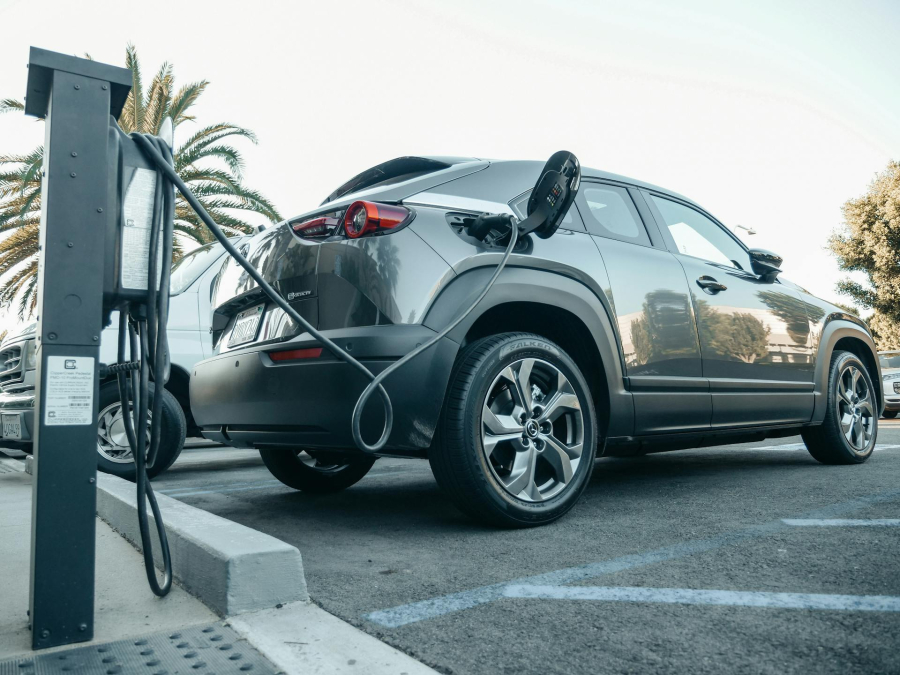
Premium brands are not left out: the Audi A4, for instance, drops from €8,800 to €2,450, a reduction of more than 70 percent, while the Audi Q3 diesel sees a comparable cut. More powerful cars, such as the Mercedes A200 or BMW X1, benefit far less, with reductions in the range of 10 to 20 percent. Electric vehicles remain fully incentivized. Models with a pre-tax retail price of up to €50,000 will continue to carry zero imputed tax, while more expensive EVs will see their burden halved from €4,000 to €2,000. This provision further strengthens state support for the electric car market, encouraging drivers to replace older vehicles with cleaner alternatives.
Overall, the reform is designed to tilt the market toward hybrids, compact petrol cars and electric vehicles, while leaving high-emission petrol and diesel models subject to heavy taxation. By linking tax benchmarks to CO₂ emissions, Greece hopes to align fiscal policy with environmental goals and modernize a system long criticized for distorting consumer choices.