Greece’s summer tourism season in 2025 closed with another year of strong performance, reinforcing the country’s place among the Mediterranean’s leading destinations.
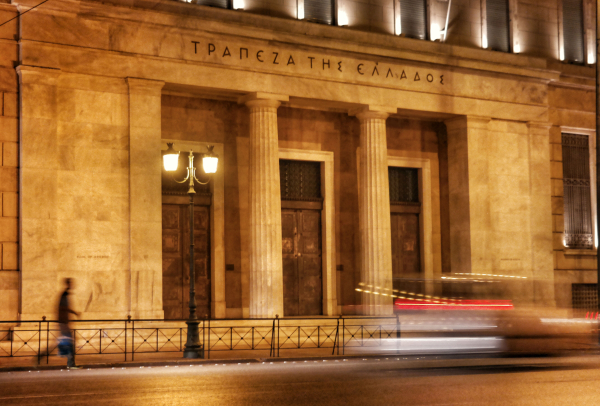
Despite shifts in source markets and new travel trends that emerged over the summer, the sector managed to set fresh records in revenues. Data from Alpha Bank, the Bank of Greece and INSETE show that higher average spending per visitor played a decisive role in driving receipts upward, while arrivals edged just above last year’s all-time high.
Beneath these headline numbers, however, lie challenges that will shape the industry’s agenda for 2026. The country’s traditional European Union markets, which for years have formed the backbone of Greek tourism, showed signs of weakening. Growth instead came largely from outside the EU, with strong inflows from the United States, the United Kingdom and—more surprisingly—Russia. This shift highlights the need for further diversification of demand and more targeted promotion in markets with both reliable purchasing power and a preference for premium tourism experiences.
The rise of cruise travel and the explosive growth of short-term rentals are also redefining the tourism landscape. Platforms such as Airbnb now offer more available beds than the country’s hotels, raising questions about the balance between conventional hospitality and alternative forms of accommodation. Both policymakers and businesses will need to develop regulations and strategies that allow the two models to coexist without undermining either quality or sustainability.
Domestic demand, by contrast, proved more restrained. Greeks traveled less and opted for shorter holidays than in previous years, a reflection of persistent inflation in basic goods, higher transport and accommodation costs, and pressure on household incomes. These conditions steered many toward nearby destinations or brief getaways. Once again, the subdued domestic market underscored the importance of nurturing local tourism, which acts as a stabilizer in times of international uncertainty and remains crucial for the survival of smaller destinations.
Looking ahead to 2026, four priorities stand out: extending the tourism season to distribute demand more evenly, accelerating sustainability and the green transition, investing in digital transformation, and tackling labor shortages. While major hotels are leading in sustainable practices, smaller units risk being left behind without targeted support. At the same time, staffing gaps threaten to erode the visitor experience—arguably Greece’s strongest competitive advantage.