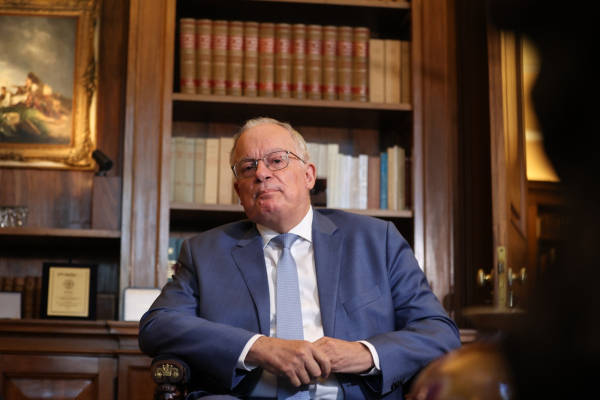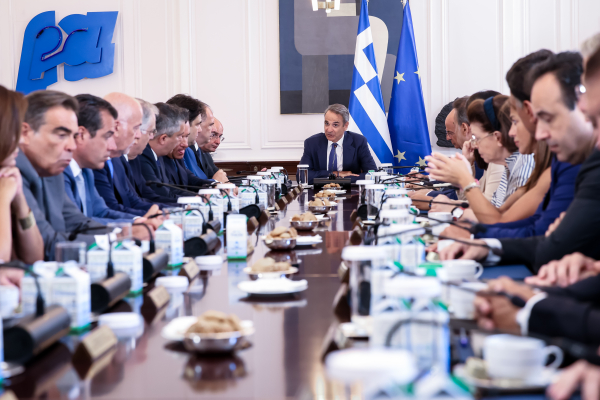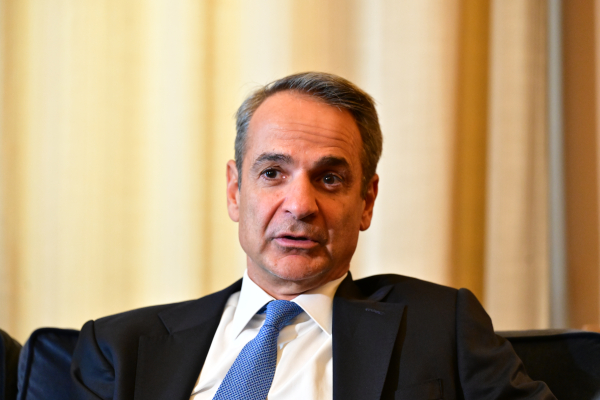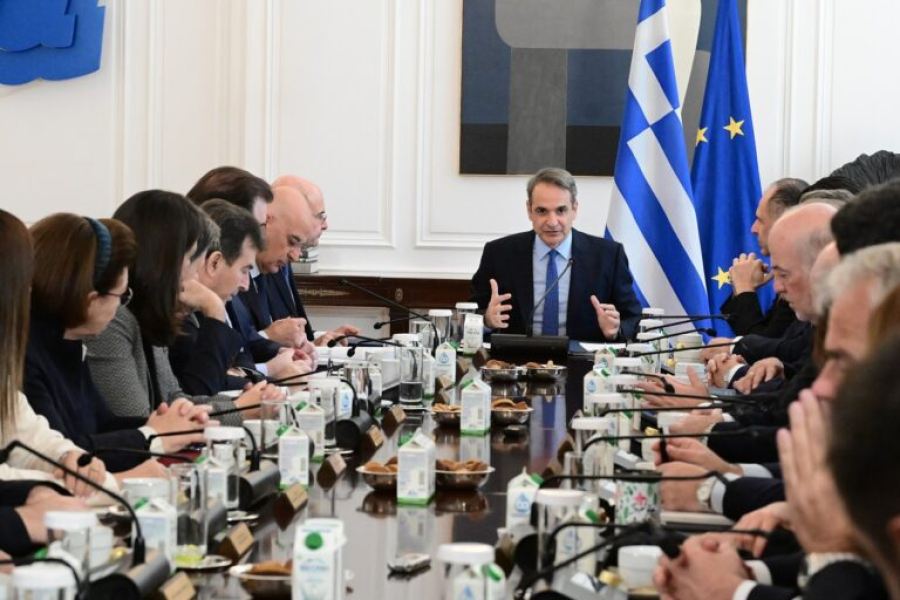

Greek Prime Minister Kyriakos Mitsotakis outlined 25 key government priorities for the second half of 2025 during a Cabinet meeting on Friday, signaling a focused push to accelerate reforms and investments before the end of the year. Each ministry, he said, has been assigned one or two specific actions with firm deadlines, reflecting an effort to maintain momentum on the government's domestic agenda while maximizing EU funding opportunities. Mitsotakis emphasized that 2026 is a critical cutoff point for completing projects financed by the European Union’s Recovery and Resilience Facility, warning that the coming 12 months are pivotal in ensuring Greece does not forfeit any available European funds.
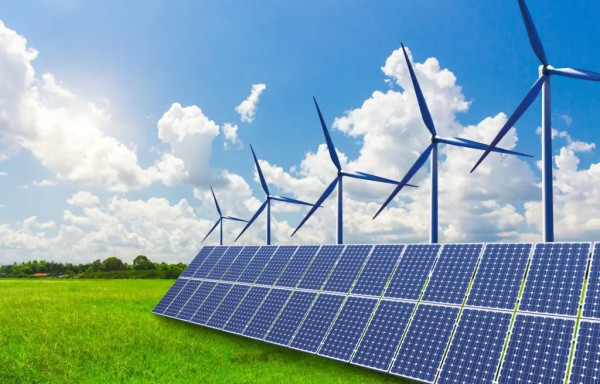
Among the reforms he presented were efforts aimed at improving public administration, streamlining environmental regulations, and advancing digital infrastructure. The Ministry of the Interior is set to complete a new disciplinary code for civil servants designed to accelerate case handling and impose penalties when mistakes harm citizens. Meanwhile, the Ministry of the Environment is targeting a major overhaul of local urban planning authorities, alongside the completion of strategic spatial plans for renewable energy, tourism, and industrial development by year’s end.
Digial transformation remains a central theme, with the Ministry of Digital Governance aiming to finalize Greece’s national land registry — a longstanding administrative challenge. In the health sector, the government plans to expand digital healthcare services and broaden the reach of mobile health units. Social policy is also in focus, with the Ministry of Social Cohesion and Family expected to showcase early results from a new model of social housing provision.
On the economic front, the Ministry of Finance is preparing to unveil a new package of relief measures and support for the middle class at the Thessaloniki International Fair this September. At the same time, it will ramp up efforts to tackle tax evasion through the use of advanced digital tools. The Ministry of Development, working in coordination with Finance, aims to cut business-related bureaucracy by 25 percent and intensify market inspections under a newly centralized supervisory authority. Infrastructure development also remains a priority, with progress on railway upgrades to be presented in the fall. Additionally, a comprehensive National Water Management Plan is expected to be introduced shortly after the Thessaloniki Fair.
Closing the session, Mitsotakis called on all ministers to strictly adhere to timelines, particularly for projects tied to Recovery Fund resources. He reiterated his message with urgency: “Not a single euro should be lost.”