Greece has launched a comprehensive national plan to slash energy consumption in buildings, reduce emissions, and guide households, businesses, and the public sector through a green transition. Published in the Government Gazette, the new Roadmap for Energy Efficiency in Buildings forms part of Greece’s broader National Energy and Climate Plan and aligns with EU targets to cut emissions by 55% by 2030 and reach climate neutrality by 2050.
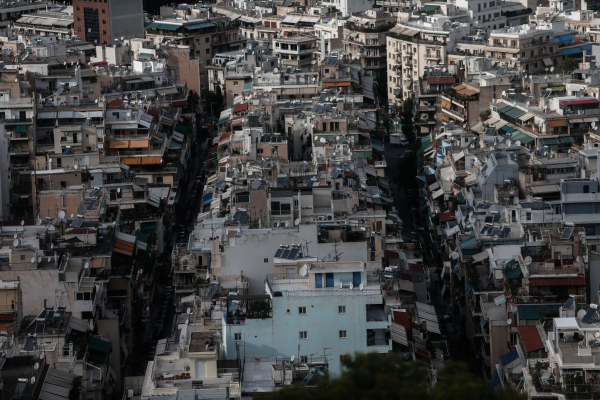
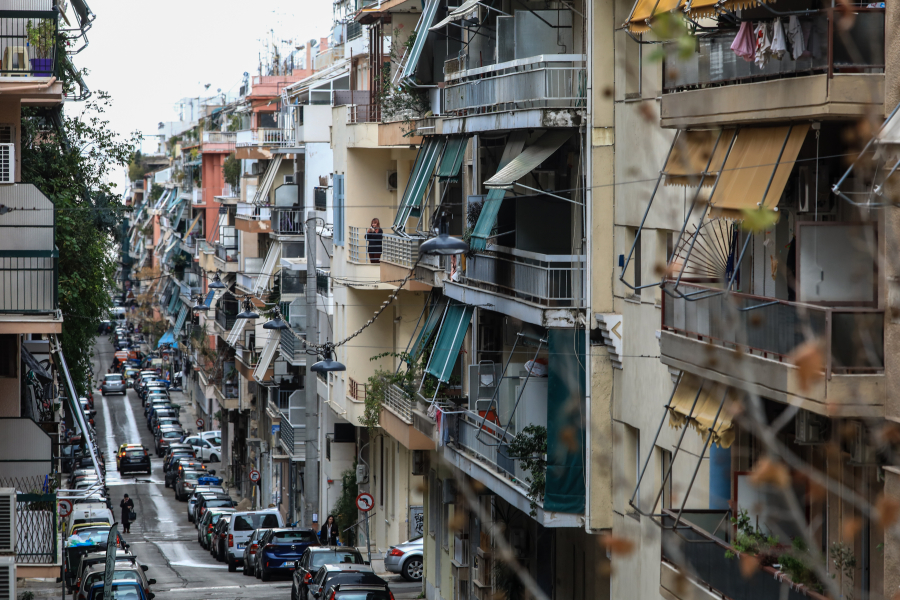
The building sector, which accounts for a significant share of Greece’s final energy consumption, is a central focus. Much of the country’s housing stock is old and poorly insulated, with inefficient heating systems and outdated public infrastructure. These conditions inflate energy bills and carbon footprints alike. Compared to EU averages, Greece lags in energy efficiency, underscoring the urgent need for large-scale upgrades.
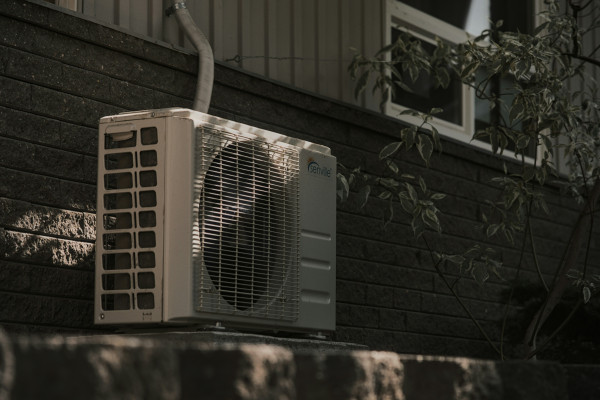
To tackle this, the government is expanding energy-efficiency programs, with the “Exoikonomo” initiative leading the way. The 2021 version alone supports upgrades to over 70,000 homes, with nearly €800 million in funding. Subsidized improvements include thermal insulation, energy-efficient windows, and modern heating systems such as heat pumps and solar panels. A separate scheme, “Exoikonomo – Anakenizo,” targets young or first-time homeowners, offering €74 million in support. Another €300 million has been earmarked under “Exoikonomo 2023” for more than 32,000 additional upgrades.
For homeowners not enrolled in these programs, tax incentives offer another route. Greek law allows deductions of up to €16,000 over five years for home improvements that enhance energy performance or aesthetics—from window replacements to roof repairs—provided the expenses are declared and electronically paid.
The public sector faces binding targets. Government buildings must be renovated at a minimum rate of 3% annually and reduce energy use by 1.9% per year compared to 2021. This means regular retrofits in schools, hospitals, and municipal buildings, with a centralized program now in development to prioritize renovations based on cost-effectiveness and impact.
Beyond subsidies, Greece is turning to innovative financing tools to drive the transition. These include green bonds, energy performance contracts, and energy communities. One model, known as “Pay-As-You-Save,” allows households to repay renovation costs through their electricity bills, lowering the barrier of upfront investment. This approach, already in use in countries like Germany and the U.S., is being promoted especially for areas with older housing stock.
Businesses also benefit from targeted incentives. Companies investing in energy-efficient upgrades—such as lighting, equipment, or heating systems—are eligible for enhanced depreciation, up to an extra 10% under current tax law. This can translate into both energy savings and financial gains, making the transition more appealing to industry.