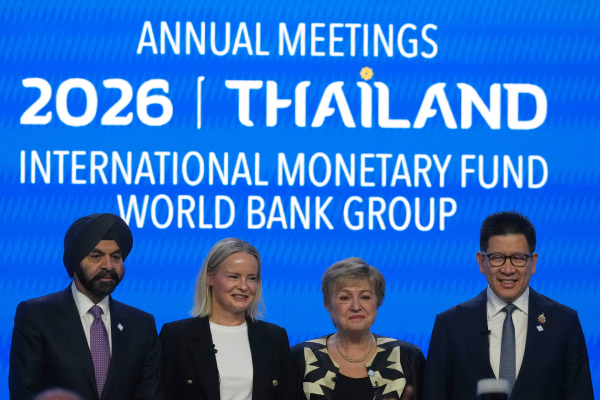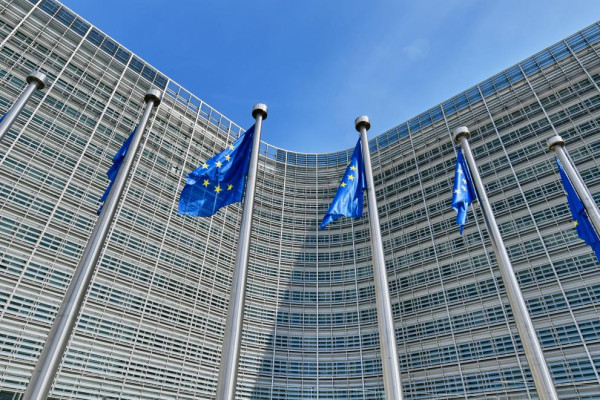

Greece could cut electricity bills by as much as 23 percent if the European Union succeeds in fully integrating its energy market, according to a new report by the International Monetary Fund. The study argues that closer cooperation across member states would not only make electricity cheaper but also stabilize prices and accelerate investment in clean energy.
The IMF’s report, “Lifting Binding Constraints on Growth in Europe: Actionable Priorities to Deepen the Single Market,” highlights structural weaknesses holding back growth across the bloc. Among them are fragmented regulations, underdeveloped financing channels, limited cross-border labor mobility and, crucially, a fragmented energy market. Addressing these shortcomings, the IMF suggests, would unlock innovation, scale, and resilience at a European level.
For Greece, the stakes are particularly high. The country consistently ranks among those with the most expensive electricity in Europe. The energy crisis triggered by Russia’s invasion of Ukraine exposed long-standing vulnerabilities: an overreliance on imported fuels, weak grid interconnections with neighboring countries, and chronic delays in renewable energy development. Securing a license for a wind farm in Greece, the IMF notes, can take up to nine years. Such bureaucratic hurdles discourage investment, keep clean energy from reaching the grid, and ultimately maintain prices at punishing levels for households and businesses.
The IMF is calling for a shift in strategy, urging the EU to adopt a common energy plan that aligns policies and investments across the continent. By channeling resources into the most critical projects—whether in transmission networks, storage capacity, or renewable generation—Europe could fully tap the potential of each member state. For Greece, that would mean faster permitting, clearer timelines, and a more reliable path for clean energy projects to come online. The result would be greater volumes of affordable power flowing into the grid, offering relief to consumers and making the country more resilient to external shocks.