Greece plans to give journalists, researchers and nonprofit organizations broader access to information about the individuals who ultimately own or control companies, under proposed legislation aimed at strengthening corporate transparency and combating financial crime.
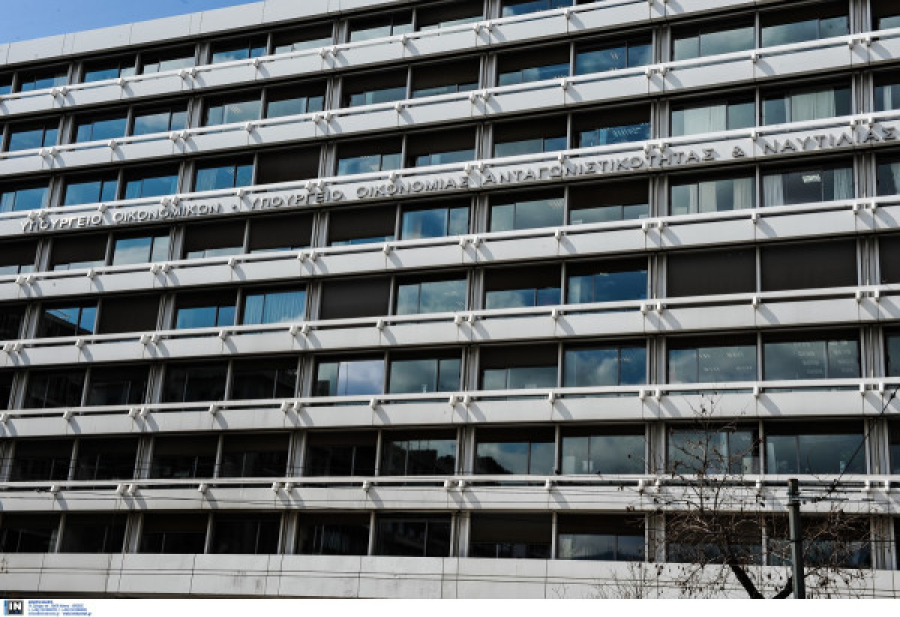
The measure, included in a bill submitted to Parliament by the Ministry of National Economy and Finance, would expand access to the country's Central Register of Beneficial Owners, allowing eligible individuals and organizations to investigate corporate ownership structures without notifying the companies concerned.
The legislation implements provisions of the European Union's anti-money-laundering directive, adopted in 2024, and seeks to make it easier to identify individuals operating behind complex corporate arrangements.
ΔΙΑΒΑΣΤΕ ΕΠΙΣΗΣ



Under the proposed framework, journalists investigating money laundering, financial crime or terrorist financing would be entitled to access ownership records, alongside civil-society organizations, nongovernmental organizations and academic researchers working on related issues.
The registry would provide information including beneficial owners' names, month and year of birth, nationality, country of residence and the nature and extent of their ownership or control.
Additional personal information, including full dates of birth, contact details and tax identification numbers, could be made available under specific legal conditions.
One of the most significant changes concerns access to historical ownership records. Journalists and researchers would be able to examine previous beneficial owners, including those associated with companies dissolved during the preceding five years. The provision could help investigators trace ownership transfers, identify connections between businesses and examine potentially suspicious corporate transactions.
Access wouldn't be limited to investigative organizations. Businesses preparing to enter commercial transactions could also request ownership information to assess potential exposure to money laundering or other financial crimes.
Public authorities overseeing government procurement, European Union funding and commercial registrations would gain access to information about companies bidding for public contracts or carrying out government-funded projects. The legislation also introduces safeguards intended to protect investigative confidentiality.
Although registry searches would be recorded, beneficial owners seeking information about who accessed their records wouldn't be able to identify journalists, researchers or civil-society organizations conducting qualifying investigations. Instead, they would receive information about the professional capacity or function of those accessing the data.
Similar protections would apply to certain foreign authorities investigating financial crime. Such authorities could request that their identities remain confidential for up to five years, with extensions available under specified conditions.
The proposed changes come as Greece moves to strengthen oversight of corporate ownership and align its regulatory framework with EU transparency requirements.
If approved by Parliament, the legislation would provide journalists, businesses and regulators with additional tools to uncover concealed ownership structures while maintaining restrictions designed to protect personal data and sensitive investigations.