Greece plans to exempt the monasteries of Mount Athos, one of Orthodox Christianity’s most important religious centers, from withholding taxes on payments to workers and contractors, shifting responsibility for settling the taxes to the recipients themselves.
The measure, included in legislation submitted to Parliament by the Ministry of National Economy and Finance, is intended to reduce the administrative burden on the monastic communities, which employ substantial numbers of workers and technicians for infrastructure and restoration projects.
Under the proposed rules, the monasteries would no longer be required to calculate, withhold and remit income taxes on payments they make. Instead, individuals receiving the payments would declare the income and settle any tax liabilities through their annual income-tax returns.
ΔΙΑΒΑΣΤΕ ΕΠΙΣΗΣ



The change doesn't eliminate the underlying tax obligation but transfers responsibility for its payment from the monasteries to the beneficiaries.
The provision amends Article 61 of Greece’s Income Tax Code and applies to the Holy Community, the governing body of Mount Athos, its monasteries and their dependent establishments.
According to the legislation’s explanatory report, the existing withholding requirements create considerable paperwork for religious institutions overseeing construction, maintenance and infrastructure projects.
The government argues that these administrative responsibilities are difficult to reconcile with the ascetic lifestyle and religious duties of the monks, justifying special tax treatment.
For example, if a monastery hires a contractor to repair buildings for €5,000, it would no longer have to deduct €1,000 in withholding tax, assuming the payment falls under the applicable 20% rate.
Instead, the monastery could pay the full €5,000, leaving the contractor responsible for declaring the income and paying the tax ultimately assessed under existing regulations.
Mount Athos, a self-governing monastic territory in northern Greece, is home to 20 Eastern Orthodox monasteries and operates under a special constitutional status within the Greek state.
The peninsula, known for its centuries-old religious traditions and Byzantine heritage, attracts pilgrims from around the world and requires ongoing investment to preserve its historic buildings and infrastructure.
The proposed exemption reflects an effort to accommodate the territory’s distinctive religious administration within Greece’s broader tax framework.
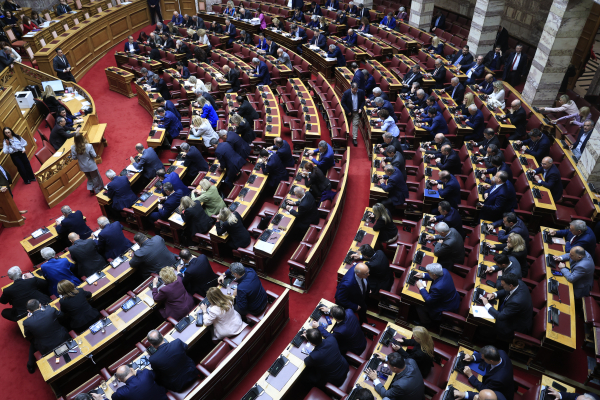
The legislation must be approved by Parliament before the new arrangements can take effect.