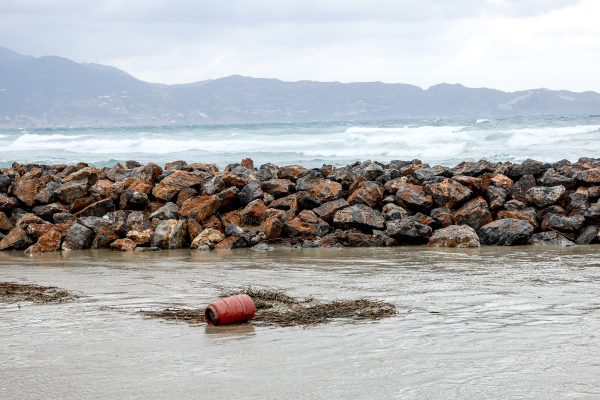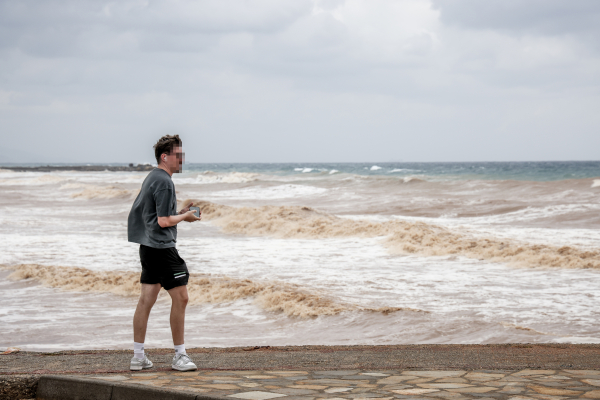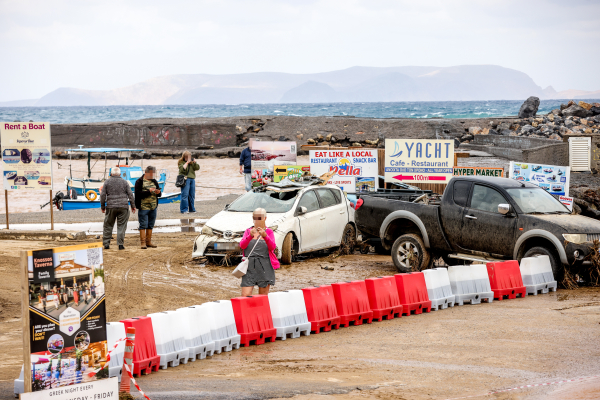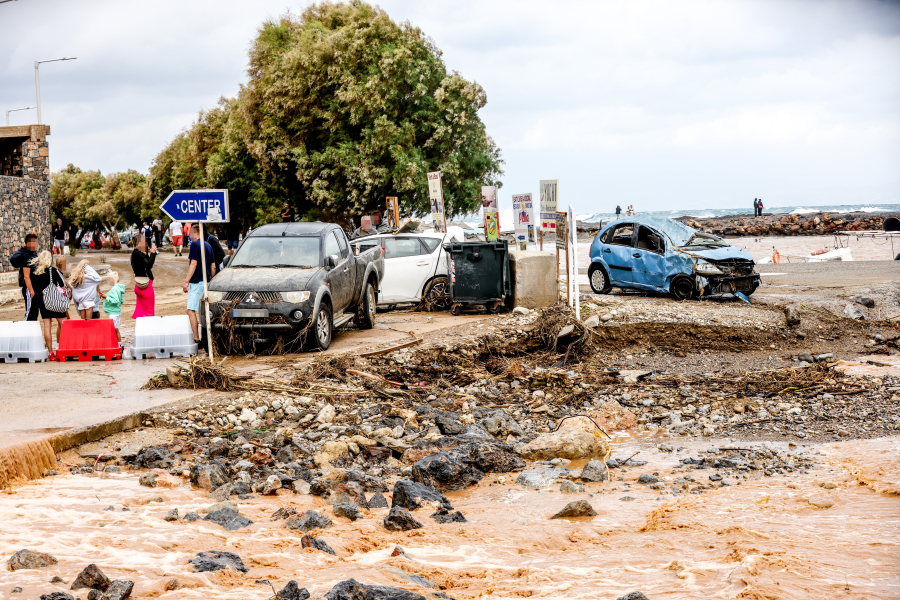

Meteorologist Sakis Arnaoutoglou has sounded the alarm over the developing severe weather, warning that the rain Crete desperately needed after a prolonged dry spell could now turn into a serious danger.
Particular caution is required until the morning of Sunday, October 4, as successive waves of heavy rain are expected to affect several parts of the island.
Up to 200mm of rain in just 24 hours
Forecast data point to potentially extreme rainfall totals, with between 150 and 200 millimetres possible within a single 24-hour period in some areas. Locally, those figures could climb even higher.
ΔΙΑΒΑΣΤΕ ΕΠΙΣΗΣ
The danger does not end after one day.
Repeated rounds of heavy rain could gradually saturate the ground, leaving it unable to absorb additional water and dramatically increasing the amount flowing into streams and torrents.
To put the scale into perspective, 100 millimetres of rainfall means 100 litres of water falling on every square metre of land.
Why Crete’s mountains could make the situation worse
Crete’s rugged terrain may intensify the threat.
Mountains, steep slopes, ravines and gorges can funnel huge amounts of water downhill, meaning that dangerous flooding can strike an area even when the rain there does not appear particularly severe.
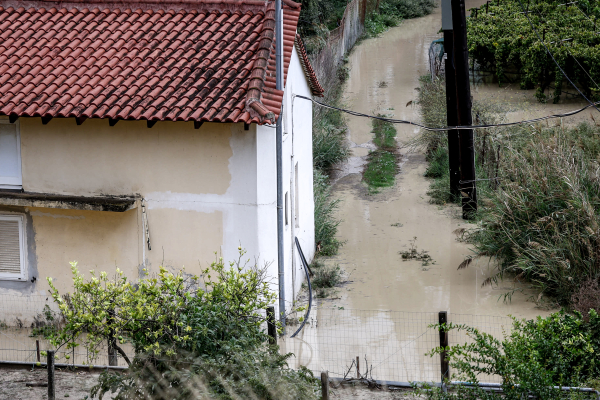
Water collecting at higher elevations can suddenly surge downstream, transforming normally dry streams into raging torrents within a short period of time.
Mud, rocks, branches and other debris can also be swept away by the force of the water, potentially blocking bridges and drainage points and causing sudden overflows.
The risk of landslides and rockfalls is also heightened on vulnerable slopes.
The danger may arrive after the rain has stopped
One of the most concerning aspects of the severe weather is that flooding may not occur immediately.
Water can take time to travel down from mountainous areas, meaning roads and settlements could face a sudden surge even after rainfall has eased locally.
Residents are therefore being urged not to underestimate seemingly calm conditions.
Flooded roads can conceal powerful currents, unexpected depths or damage to the road surface, making attempts to cross them extremely dangerous — either by car or on foot.
Extra caution is also advised near streams, gorges and torrents, where water levels can rise rapidly and with little warning.
After months of drought, Crete urgently needed rain. But with enormous quantities now potentially falling within only a few hours, the water the island had been waiting for could suddenly become one of its greatest threats.