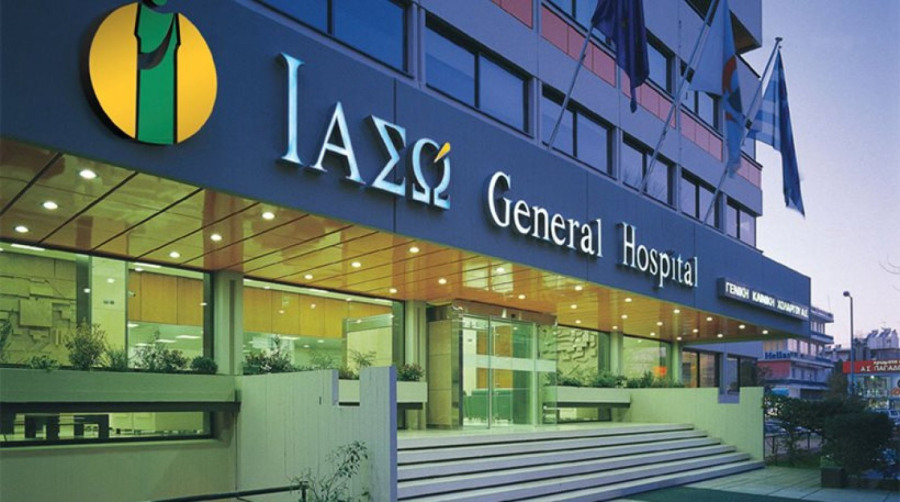
The Greek healthcare sector is closely watching the price tag attached to the expected sale of IASO, one of the country's largest private hospital operators, as U.S. investment firm Oaktree Capital Management moves toward an exit after seven years of ownership.
Negotiations between Oaktree and Piraeus Group, the owner of the Henry Dunant Hospital Center, are at an advanced stage, according to people familiar with the matter. A deal would create one of Greece's largest healthcare providers, consolidating two major private hospital networks in a market that has undergone significant restructuring in recent years.
The key question remains valuation. Oaktree paid roughly €185 million to acquire control of IASO and is now seeking a price that would determine whether its investment in Greece ultimately delivers a meaningful return.
ΔΙΑΒΑΣΤΕ ΕΠΙΣΗΣ


Piraeus Bank, which controls the Henry Dunant hospital through its banking group, is no stranger to the asset. The lender played a central role in Oaktree's original acquisition of IASO, acting as adviser and manager of the public tender offer, while also arranging the financing package and refinancing most of the group's debt. In effect, Piraeus knows the business intimately.
IASO generated revenue of €158 million in 2024 and reported earnings before interest, taxes, depreciation and amortization (EBITDA) of €39.7 million. Net debt stood at €155.8 million at year-end.
Based on current market metrics, analysts value IASO's enterprise value at between €280 million and €320 million, implying an equity valuation of approximately €120 million to €160 million after accounting for debt. At those levels, Oaktree would fall short of fully recouping its original investment.
The U.S. fund would likely need to secure a valuation closer to 8.5 times EBITDA—above prevailing market estimates—to recover the roughly €185 million it invested in acquiring the hospital group.
The outcome of the negotiations is therefore being watched not only as a landmark transaction in Greek healthcare consolidation, but also as a test of whether one of the country's most prominent private-equity investments of the past decade can deliver the exit its backers had envisioned.