Growing pressure from the United States on the European Union to approve a transatlantic trade agreement in exchange for maintaining what Washington describes as “favorable” access to American liquefied natural gas (LNG) is creating new geopolitical and energy dynamics that could directly affect Greece’s energy strategy, particularly the planned Vertical Energy Corridor.
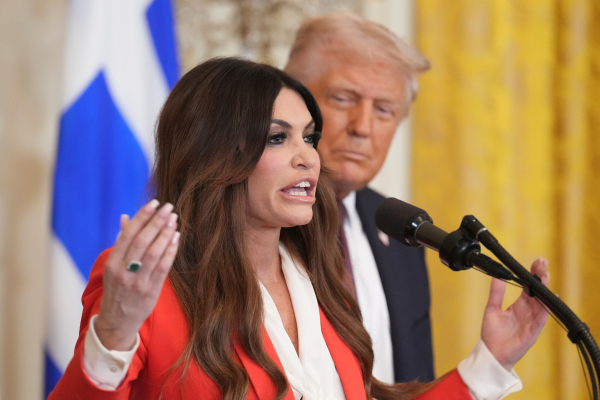
According to statements by the U.S. ambassador to the European Union, Washington expects the EU to ratify the trade agreement reached last year without modifications. Otherwise, there is a risk that the terms under which European buyers access American LNG cargoes could change. The warning comes at a time when the global LNG market is already under pressure due to geopolitical tensions and disruptions in production and transport routes from the Middle East.
The agreement that the European Union will purchase energy products from the United States worth a total of $750 billion by 2028, including LNG, oil and nuclear energy technologies. However, ratification of the agreement has been delayed, and the European Parliament has introduced clauses that would allow its suspension if new trade pressures or tariffs were imposed by the United States.
The linking of the trade agreement with energy cooperation—specifically LNG supplies—is viewed by many European officials as a form of political pressure, raising concerns about Europe’s energy security. The continent remains heavily dependent on imported natural gas, and global competition for LNG cargoes is intensifying, particularly following developments in the Persian Gulf and problems affecting exports from Qatar.
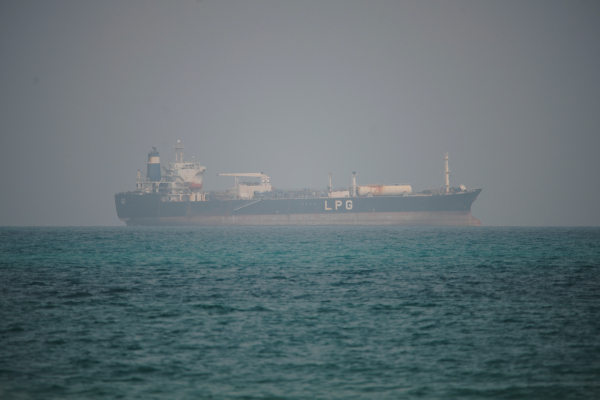
Within this context, the developments are also directly affecting Greece’s plan for the Vertical Energy Corridor, a project aimed at transporting LNG—primarily from the United States—from Greece to Southeast and Eastern Europe. The project is considered strategically important for Greece because it would strengthen the country’s role as an energy hub and enhance its geopolitical position in the region.
However, linking LNG supplies to the EU–U.S. trade agreement introduces new uncertainty. If the European Union does not approve the agreement or seeks to modify it, there is a possibility that LNG supply terms could change, potentially affecting long-term supply agreements and the viability of infrastructure projects such as the Vertical Corridor. At the same time, the project is already facing obstacles within the European Union, as some member states—particularly in Northern Europe—are cautious about large-scale imports of American LNG via Southeast Europe. There are also differing views within the EU regarding energy policy and whether Europe might eventually return to some level of Russian gas imports in the future.
The Greek government, however, insists that the Vertical Corridor is a project of European importance because it contributes to energy diversification and reduces dependence on single suppliers. It also offers economic benefits and strengthens Greece’s geopolitical position as an energy gateway to Europe.
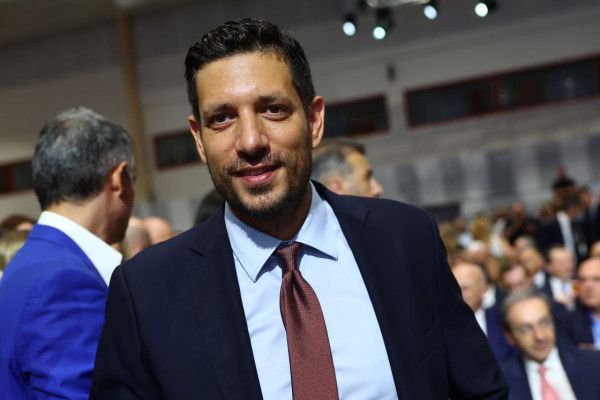
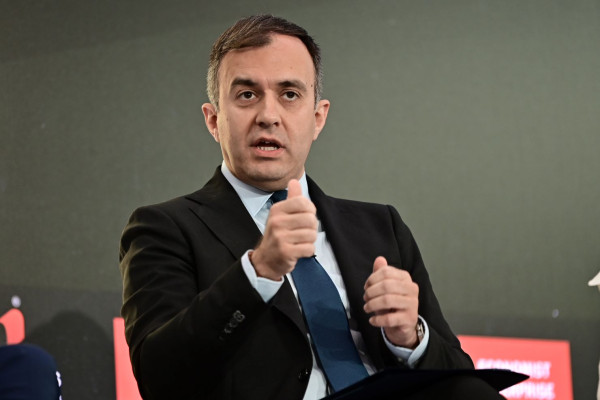
In this context, particular importance is attached to the visit of Greek political and business leaders to the United States, and especially to Houston, where CERAWeek 2026—the world’s largest energy conference—is taking place. The Greek delegation includes Environment and Energy Minister Stavros Papastavrou, Deputy Energy Minister Nikos Tsafos and businessman Alexandros Exarchou, head of the Aktor Group and Atlantic SEE LNG Trade, with the Vertical Corridor, LNG investments and the promotion of Greece’s energy projects at the top of the agenda.