
Greece’s capital markets regulator has introduced sweeping changes to the framework governing how trades are cleared on the country’s main exchange, tightening oversight and strengthening safeguards against financial shocks.
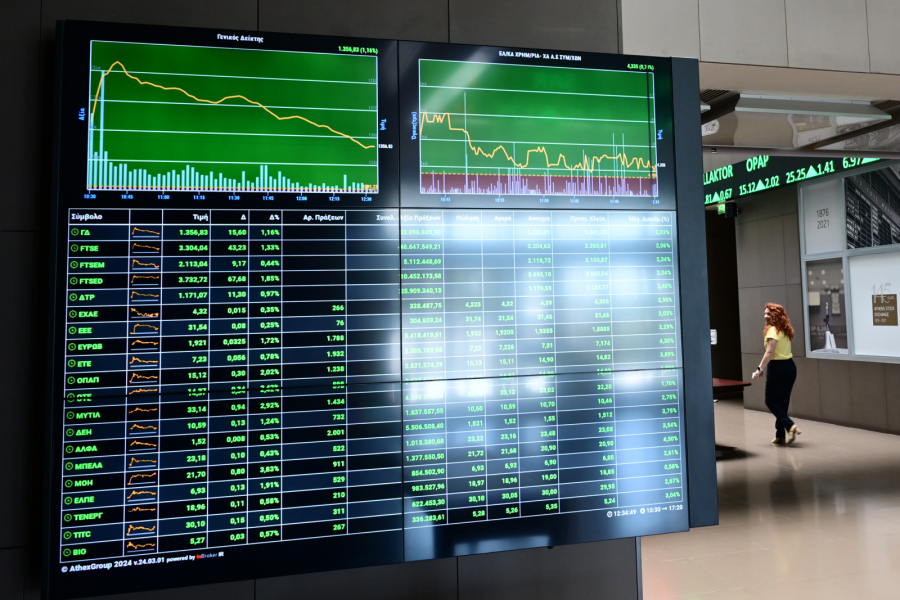
The Hellenic Capital Market Commission announced amendments to the rules covering the clearing of both securities and derivatives transactions at the Athens Exchange’s clearing house. The overhaul is designed to create a more robust and structured system for managing risk, with a particular focus on how the market responds if a clearing member—typically a bank or brokerage firm—fails to meet its obligations.
At the heart of the reform is the introduction of a clearer, more disciplined response mechanism for crisis scenarios. Under the new rules, if a participant defaults, losses will first be absorbed using existing guarantees and clearing funds. Should those resources prove insufficient, the framework allows for additional measures, including mandatory cash contributions from other market participants and the deployment of the clearing house’s own financial reserves.
The revised regime also equips authorities with stronger intervention tools in extreme situations. These include the ability to partially or fully close out open positions in order to stabilize the market and prevent risks from spreading further. In cases of severe disruption, trading may also be temporarily suspended or new transactions blocked.
Beyond crisis management, the new framework places significant emphasis on prevention. The clearing house is now expected to monitor participants more closely and act early if signs of financial distress emerge, in an effort to contain problems before they escalate. In more serious cases, formal resolution procedures can be activated under regulatory supervision to ensure the continued orderly functioning of the market.
A key innovation is the requirement for a comprehensive Recovery Plan, obliging the clearing house to map out in advance how it would respond to a range of crisis scenarios, from member defaults to technical failures or extreme market volatility. Supporting this effort is the creation of a dedicated Recovery Committee, tasked with coordinating decisions during periods of stress and ensuring that responses are both timely and institutionally grounded.