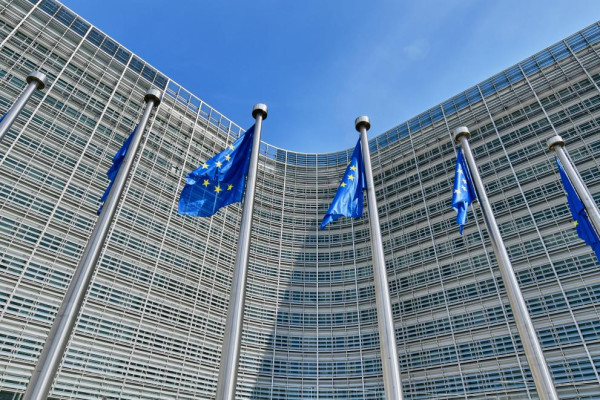
Even as energy markets across Europe begin to stabilize following the turbulence of 2021 and 2022, Greece continues to grapple with electricity prices that are significantly higher than the European Union average. This persistent price gap has not gone unnoticed in Brussels. EU Energy Commissioner Dan Jørgensen has acknowledged the problem, suggesting that European support could be on the table.
The root causes of Greece’s high electricity costs go beyond temporary market fluctuations. They stem from a combination of structural weaknesses in the country’s energy system, making it difficult for price drops—such as the recent fall in international natural gas prices or the growing share of renewable energy—to benefit consumers.
A major factor is Greece’s limited energy interconnection with the rest of Europe. Its geographic location and underdeveloped transmission infrastructure mean it is largely cut off from the competitive energy markets of Central and Northern Europe, where electricity tends to be cheaper. Although Greece does have cross-border links with countries like Bulgaria and Italy, their limited capacity restricts the flow of cheaper energy into the country.
The pricing system used in Greece also contributes to the problem. Electricity prices are set using a "marginal pricing" model, where the most expensive energy source needed to meet demand determines the final price for all electricity on the market. This means that even if a significant share of electricity comes from cheaper renewables, the final consumer price remains tied to the most expensive conventional source—typically gas-fired power plants.
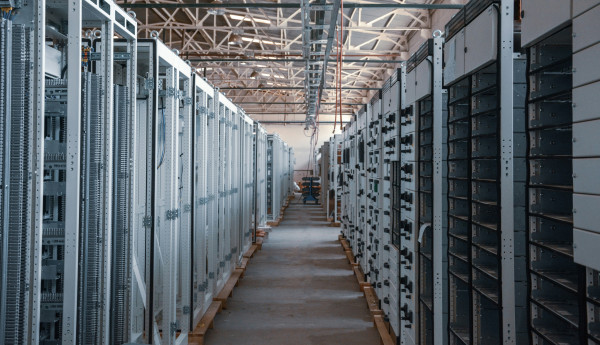
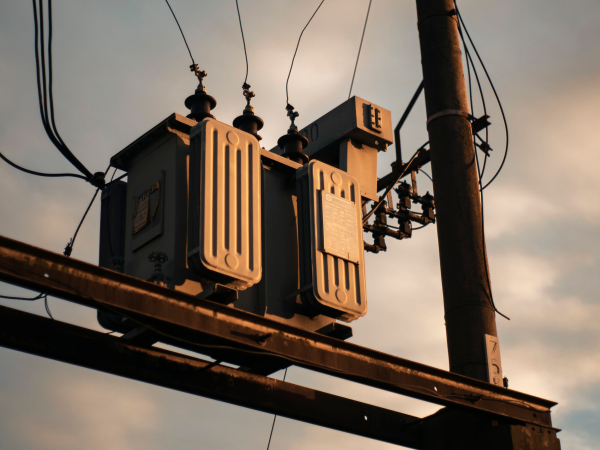
Transmission grid limitations further worsen the situation. In parts of Greece with high renewable output—such as the northern mainland and the islands—the lack of grid capacity prevents that energy from being efficiently transported to major demand centers. This bottleneck results in underused renewable production and higher system-wide costs.
Natural gas still plays a central role in electricity generation in Greece, and the country relies heavily on imports of liquefied natural gas (LNG). This puts it at a disadvantage compared to EU countries that have access to cheaper pipeline gas from multiple sources. Greece’s dependence on a narrow supply chain makes it more vulnerable to global price swings and geopolitical risks.
The consequences are felt across the economy. Households face high energy bills, and industries—particularly those that are energy-intensive—struggle with increased operating costs. This puts Greek manufacturers at a competitive disadvantage compared to their counterparts in countries with lower energy prices.
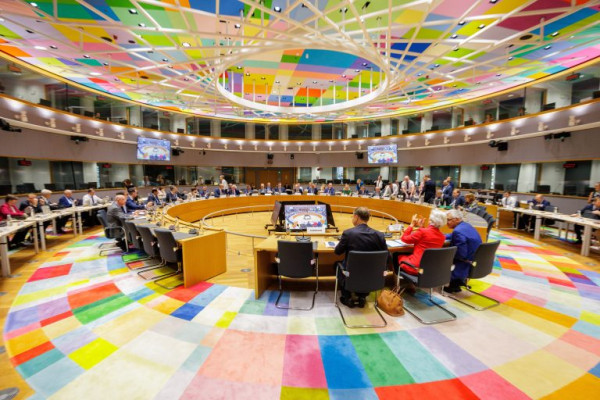
At the EU level, efforts are underway to address such disparities. One major goal is the full integration of the EU’s internal energy market, which includes expanding interconnections between member states and modernizing national grids. Programs like the Connecting Europe Facility (CEF-Energy) are channeling substantial funding into cross-border infrastructure projects, including upgrades to the Greece–Bulgaria and Greece–Italy energy corridors and the development of new transnational links.
To support industry, the EU is also considering additional measures, such as co-financed state aid, compensation mechanisms tied to the Carbon Border Adjustment Mechanism (CBAM), and fixed-price contracts for renewable energy, known as Contracts for Difference, to stabilize costs.
Ultimately, Greece’s struggle with high electricity prices is not an isolated issue but a reflection of broader challenges in integrating its energy market into the European framework.