U.S. authorities are investigating a small Greek bank over possible financial ties to Iran and organizations backed by Tehran, in a widening effort to uncover networks suspected of helping the Islamic Republic circumvent international sanctions.
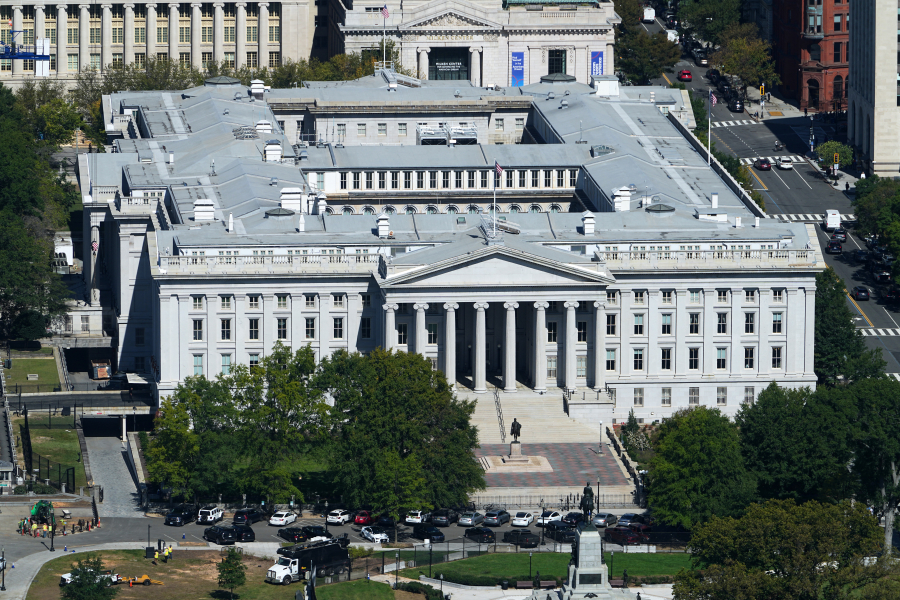
The investigation, disclosed Tuesday by the U.S. Treasury Department, forms part of “Operation Economic Outcast,” a broader initiative targeting financial channels potentially used to evade restrictions on Iran.
The Treasury’s Financial Crimes Enforcement Network, or FinCEN, is conducting the investigation in cooperation with European authorities, including Greek officials.
ΔΙΑΒΑΣΤΕ ΕΠΙΣΗΣ



U.S. authorities haven't identified the bank or announced evidence of illegal transactions. The investigation doesn't establish that the institution violated sanctions or anti-money-laundering regulations.
Greece’s Finance Ministry has been informed of the inquiry, which reportedly concerns a smaller lender with longstanding ties to the shipping industry that recently underwent a change of ownership.
The case highlights Washington’s ability to extend financial investigations beyond U.S. borders.
Under Section 5318(k) of U.S. law, FinCEN can issue subpoenas seeking records from foreign banks maintaining correspondent relationships with American financial institutions. Such requests can cover accounts and transactions outside the U.S., potentially including records held in Greece.
Failure to comply with a lawful subpoena can trigger penalties of up to $50,000 a day, equivalent to $1.5 million over 30 days or $3 million over 60 days if the maximum penalty applies continuously.
No such penalties have been announced against the Greek lender.
Banks can challenge subpoenas in U.S. courts, seek extensions or contest requests they consider legally excessive. However, incomplete disclosure without sufficient justification could expose an institution to enforcement action.
European privacy regulations and banking-secrecy provisions don't automatically invalidate U.S. subpoenas, potentially creating complex compliance obligations for foreign lenders.
The greater threat may be losing access to American correspondent banks, which facilitate international dollar transactions.
Under certain circumstances, U.S. authorities can require American financial institutions to terminate correspondent relationships with foreign banks that fail to comply with lawful information requests.
For a smaller lender, losing those relationships could severely disrupt cross-border payments, corporate banking operations and access to international financial markets.