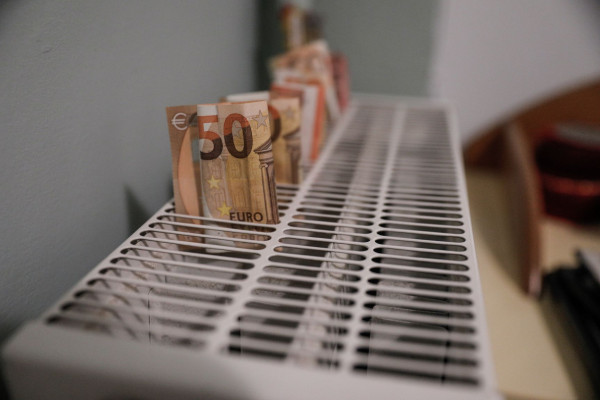
Greece will on Wednesday set out an ambitious plan to cut electricity bills by 30% over the 2027-2029 period, mobilizing more than €5 billion in national and European funds. But the headline target rests on a major assumption: that international energy markets cooperate.
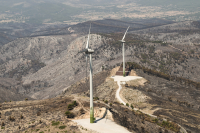
The package, to be detailed by the Environment and Energy Ministry, combines investment in renewable energy and battery storage with lower regulated electricity charges, island interconnections, energy-efficiency subsidies, smart meters and measures to curb power theft.
Many of those policies could reduce the structural cost of Greece’s electricity system. What they cannot do is guarantee that consumers will pay 30% less for power within three years. The reason is natural gas. Despite Greece’s rapid expansion of solar and wind generation, gas-fired power plants remain critical when renewable output falls, particularly during evening hours. Under Europe’s marginal pricing system, those plants can determine the wholesale electricity price during such periods.
ΔΙΑΒΑΣΤΕ ΕΠΙΣΗΣ

That leaves Greece exposed to a commodity whose price is set internationally rather than in Athens. Europe’s increased reliance on liquefied natural gas since the energy crisis has tied regional gas prices more closely to the global LNG market. A surge in Asian demand, disruption to shipping routes, extreme weather or geopolitical tensions can quickly push European gas prices higher- and feed through into electricity markets.
Oil prices add another external uncertainty, particularly for Greek islands that still rely on thermal generation, though that exposure should decline as more islands are connected to the mainland grid. The government’s own argument illustrates the problem. Officials point out that during periods of high renewable generation in 2026, Greece’s average wholesale electricity price was around €73 per megawatt-hour. More renewables and batteries, they argue, could help bring the annual average closer to that level. But that scenario also depends on favorable international energy conditions.
Athens plans to expand battery-storage capacity to 1.5 gigawatts by mid-2027, 3 GW to 4 GW in 2028 and as much as 7 GW by 2030. Storage should allow cheap solar electricity produced during the day to be used during expensive evening hours, reducing dependence on gas.
The problem is timing. Much of that capacity still has to be built. The same applies to Greece’s €7 billion island-interconnection program. Connecting islands to the mainland should eventually reduce the cost of expensive local thermal generation and allow public-service charges on electricity bills to fall. But the Dodecanese and North Aegean projects remain under development.
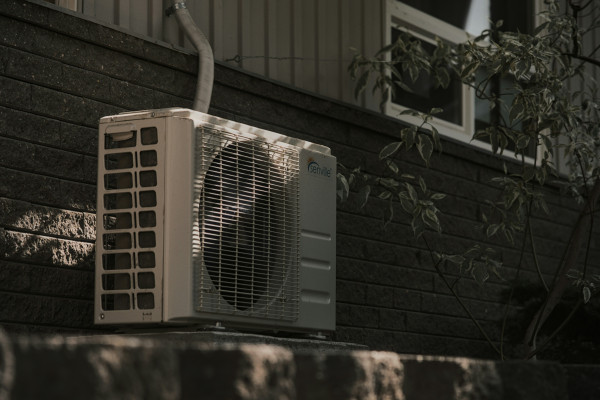
Other measures could provide more immediate relief. Athens plans lower public-service charges for households consuming up to 400 kilowatt-hours, while €1.7 billion from the EU Social Climate Fund will support energy upgrades for vulnerable households. Additional programs will subsidize heat pumps, solar water heaters and rooftop photovoltaics.
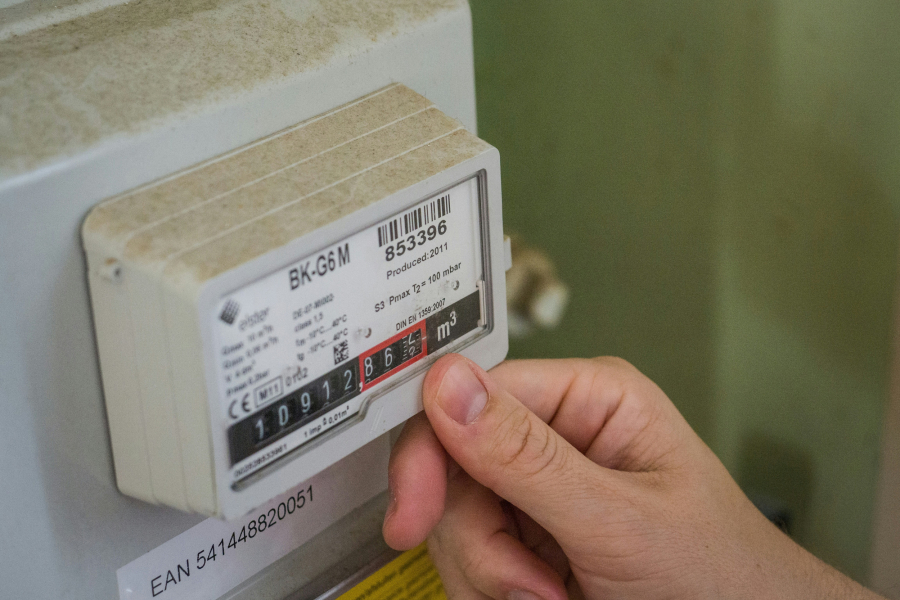
The government also wants to tackle electricity theft, estimated to cost around €450 million annually, while accelerating smart-meter deployment and encouraging consumers to switch to fixed-price contracts.
All could help. None removes Greece from the global energy market. The €5 billion program therefore represents a credible attempt to make the Greek electricity system cheaper and less dependent on imported fuels. The more questionable element is attaching a precise 30% reduction to consumer bills by 2029.
Athens can build batteries, solar farms and transmission cables. It cannot determine what Europe will pay for LNG - or where international oil and gas prices will be three years from now.