A property dispute surrounding a remote Greek Orthodox monastery has escalated into an extraordinary conflict involving an abbess, local residents, church authorities and a German-backed solar-energy project, according to a report by Greek newspaper Kathimerini.
The dispute centers on the Monastery of Panagia Koutsouriotissa in Dorida, central Greece. Sister Mariam arrived there in 2020 with two other nuns and a novice, after being invited by Theoktistos, the Metropolitan, or bishop, of Phocis to help revive the financially struggling monastery. A well-known Orthodox chanter and music teacher, Mariam had already attracted hundreds of thousands of followers on YouTube.
The turning point came in 2021, when a dispute with a local family prompted the nuns to investigate the monastery’s property holdings. Their search took them to Greece’s General State Archives, where they found Ottoman-era property documents known as hotzetia. After translations by specialists, the nuns concluded that the monastery could claim more than 22,000 stremmas, or about 5,400 acres.
ΔΙΑΒΑΣΤΕ ΕΠΙΣΗΣ



The claim triggered alarm among residents, some of whom said land they considered private or municipal property was now being challenged by the monastery. A protest petition collected 523 signatures. The confrontation soon moved into the courts, with objections to land-registry decisions, lawsuits and criminal complaints.
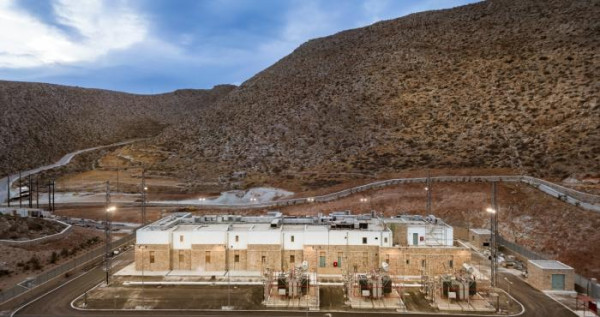
Initially, the bishop strongly supported the nuns. According to Kathimerini, he defended the monastery’s property claims publicly and approved legal action. The dispute acquired a new dimension when the monastery entered negotiations with a German company seeking land for a photovoltaic park. In December 2022, a preliminary agreement covering 5,000 stremmas, roughly 1,235 acres, was signed, bringing €75,000 into the monastery. The nuns said the money was used for electricity bills and repairs.
Negotiations later moved toward a 25-year contract worth €250,000 annually. Mariam maintains that the bishop was kept informed of developments.
By then, however, relations between the abbess and the diocese had deteriorated dramatically. In 2025, the nuns were ordered to leave the monastery. The stated reason concerned the canonical status of one nun, which authorities said meant the monastery’s three-member governing council lacked legal standing. Local reports also raised questions over whether the solar lease had been negotiated without the diocese’s knowledge.
Mariam sought a meeting with the bishop but received no response, according to Kathimerini, and was subsequently barred from receiving Communion. Her departure hasn't ended the underlying dispute. Although residents were told that lawsuits against them had been withdrawn, the monastery’s property inventory remains registered with the cadastre. The German solar project also remains alive, with a diocesan team now continuing negotiations.
Church officials say they are seeking compromise and have no intention of removing residents from homes or businesses. They also argue, however, that the Church has a legal obligation to defend property it believes belongs to it.
For now, the nuns have left and the protests have subsided. But the land claims—and the solar investment that helped transform a rural property dispute into an ecclesiastical rupture—remain unresolved.