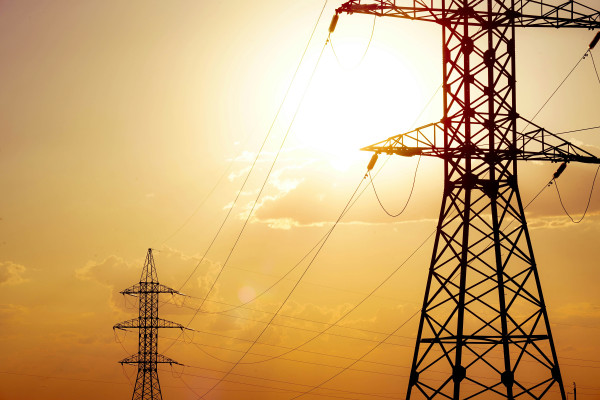


Greece’s wholesale electricity price has jumped 68% in a week, highlighting renewed pressure on European energy markets as extreme summer weather, rising natural-gas costs and geopolitical tensions push up the cost of power.
The Greek wholesale price climbed to €162.70 a megawatt-hour from €96.90/MWh a week earlier. The surge comes as a heat wave drives electricity demand higher, while drought conditions, weak wind generation and more expensive natural gas constrain cheaper sources of supply.
Natural gas is trading at around €65/MWh, up 6.7% over the past week. Higher gas prices can quickly feed into electricity costs because gas-fired plants frequently help determine wholesale power prices when renewable generation is insufficient to meet demand.
ΔΙΑΒΑΣΤΕ ΕΠΙΣΗΣ



The increase isn’t confined to Greece. Wholesale electricity prices have risen to €169.56/MWh in the Germany-Luxembourg market, €167.71 in the Netherlands, €165.48 in Belgium and €152.80 in France. Spain remains considerably cheaper at €113.98/Mwh.
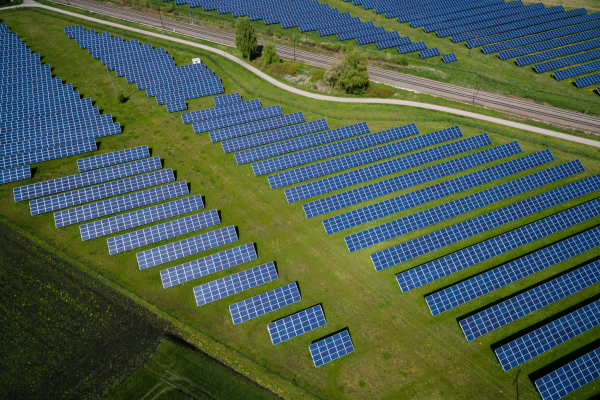
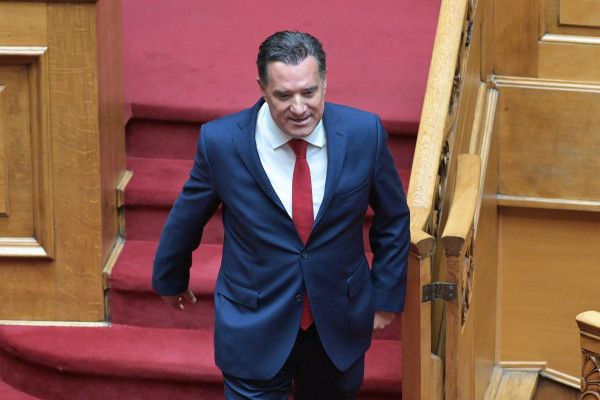
Despite the sharp increase, Greece is still trading below several European markets. Deputy Environment and Energy Minister Nikos Tsafos said Greek wholesale prices have been roughly €15 to €30/MWh below those in the broader region, crediting primarily the country’s expanding renewable-energy capacity. Solar and wind generation reduce the need for more expensive thermal plants, though the latest rally shows the system remains vulnerable when renewable output falls as demand rises.
Changes to Greece’s Electricity Supply Code
Athens is also moving to address another source of pressure on the electricity market: unpaid bills.
Changes to Greece’s Electricity Supply Code would create what amounts to a credit-warning system for energy customers. Suppliers will be able to flag consumers with overdue debts to HEDNO, the country’s electricity distribution-network operator. After a third warning, customers would be prevented from switching electricity suppliers until they pay or arrange to settle their debts.
The measure targets so-called «energy tourism», in which customers repeatedly switch suppliers while leaving unpaid bills behind.
The problem has become costly. According to Greece’s energy regulator, RAAEY, overdue electricity debts from households and businesses reached about €2.98 billion in 2025. Roughly €1.53 billion is owed by customers who have already moved to another supplier.
Those losses can ultimately affect consumers who pay on time. RAAEY estimates that suppliers’ provisions for unpaid bills can add as much as 5.9 euro cents per kilowatt-hour to electricity costs.