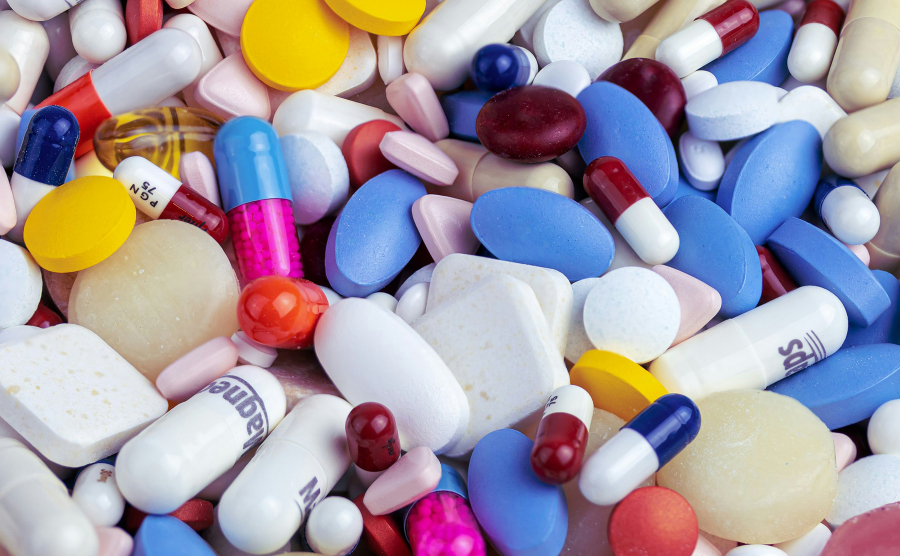

The visit highlighted a wave of investment by domestic drugmakers aiming to boost manufacturing capacity and reduce reliance on imports at a time when the European Union is rethinking supply chain vulnerabilities exposed by recent crises. Greek pharmaceutical companies are building new plants that officials say could cover at least 70% of domestic demand in certain drug categories, as well as roughly 30% of penicillin-based medicines and oncology treatments.
“These are investments of high added value that strengthen not only Greece’s economy but also Europe’s strategic autonomy,” Mr. Mitsotakis said, underscoring the growing importance of local production within the EU.
Accompanied by Health Minister Adonis Georgiadis and executives from the Panhellenic Union of Pharmaceutical Industry, the prime minister reviewed progress at facilities operated by companies including DEMO, WIN MEDICA and FARAN. The projects are expected to create more than 1,500 direct and indirect jobs and position Greece as a regional hub for pharmaceutical manufacturing.
The investments come as European policymakers push to secure supplies of essential medicines and reduce dependence on production outside the bloc. Greece, long better known for tourism and shipping, is seeking to reposition itself as a competitive base for high-value manufacturing, particularly in sectors tied to health and innovation.
In Tripoli, a city that has struggled with unemployment in past decades, officials say the influx of pharmaceutical investment signals a shift toward a new industrial model. Mr. Mitsotakis said the projects demonstrate that “regional development and productive transformation can become reality,” pointing to government incentives that have drawn companies to the area.
Production at the new facilities is expected to serve both domestic and export markets, reinforcing Greece’s role in the European pharmaceutical supply chain. The government plans to continue financial incentives, including an investment clawback mechanism introduced in 2019, to sustain momentum in the sector.
Beyond manufacturing, the government is also investing in workforce development. Earlier in the day, Mr. Mitsotakis visited a newly established vocational academy specializing in pharmaceutical training, the first of its kind in Greece. The program, developed in partnership with industry, offers free instruction and paid on-the-job training, with companies committing to hire a significant share of graduates.
The initiative reflects a broader effort to align education with labor market needs, particularly in specialized industries where skilled workers are in short supply. Officials say the approach could help stem the outflow of young professionals while encouraging expatriate scientists to return.
Industry leaders argue that the sector’s expansion could enhance both national resilience and export performance. “We are creating a sense of security and self-sufficiency for patients while strengthening our international footprint,” said Theodoros Tryfon, head of the industry association.
For Mr. Mitsotakis, the message was as much geopolitical as economic. As Europe seeks to fortify critical supply chains, Greece’s pharmaceutical industry is positioning itself as both a domestic growth engine and a contributor to the continent’s broader push for independence in essential goods.