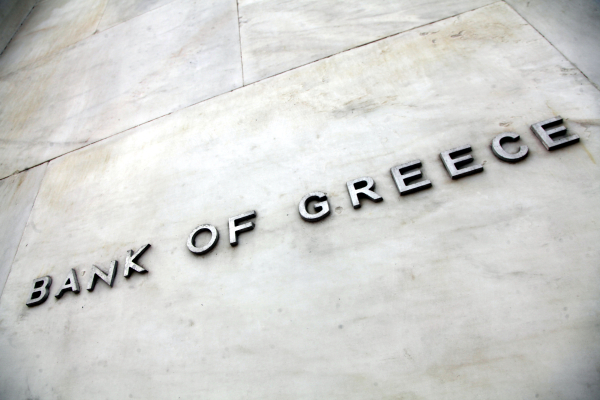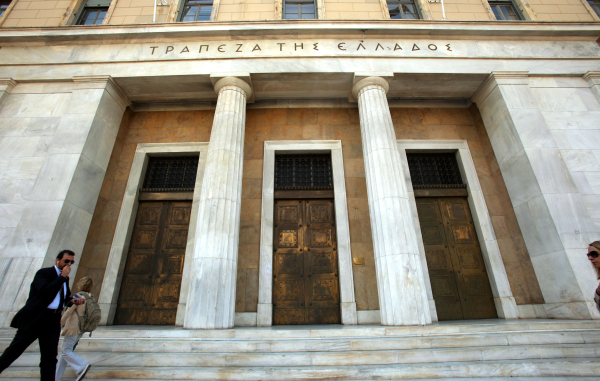
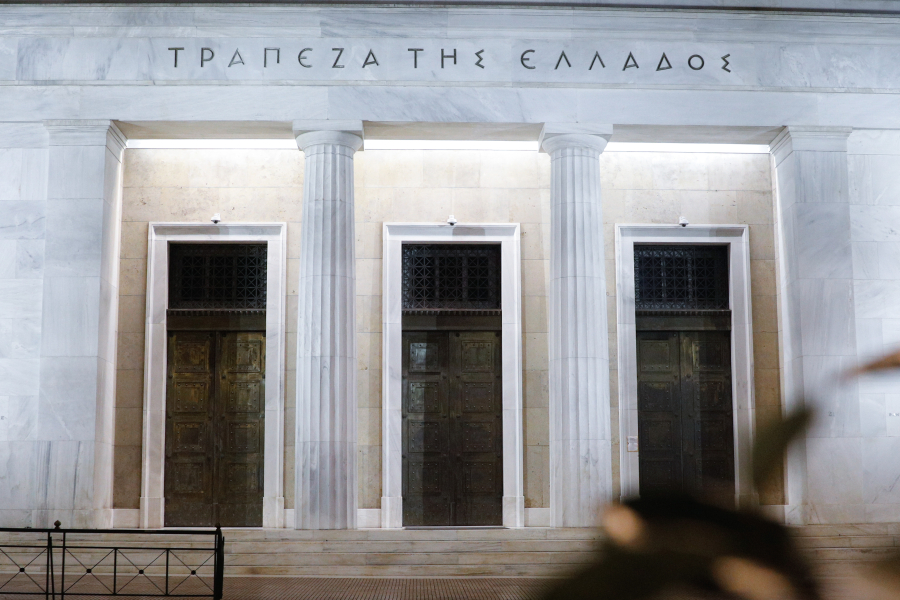
Systemic financial risks in Greece remained broadly unchanged in the second quarter of 2026, with authorities describing the overall environment as neutral despite emerging pressures in parts of the economy, according to the Bank of Greece.
In its latest quarterly assessment, the central bank said cyclical systemic risks—those linked to the ups and downs of the economic cycle—continue to be contained. The evaluation draws on a range of indicators, including the gap between credit growth and economic output, as well as trends in lending, private-sector debt, real estate prices and external balances. A key benchmark used by policymakers, the countercyclical capital buffer guide set under recommendations from the European Systemic Risk Board, remains at zero. The measure reflects the persistent weakness in credit expansion relative to the size of the economy. Greece’s credit-to-GDP gap has been negative for more than a decade and stood at minus 21 percentage points as of the third quarter of 2025, according to the latest available data.
While overall risks appear contained, the central bank flagged early signs of pressure building in selected areas, including corporate borrowing, rising residential property prices and the country’s current-account balance. Still, officials emphasized that these developments do not yet point to overheating or excessive credit growth. The assessment underscores the delicate balance facing policymakers in a country still recovering from a prolonged financial crisis and working to strengthen its banking system. Greek lenders have improved their balance sheets in recent years, but credit expansion remains subdued compared with other eurozone economies.
Against this backdrop, the Bank of Greece said it would leave its countercyclical capital buffer unchanged at 0.5%, a level consistent with what it considers a neutral risk environment. The buffer is designed to ensure banks build up capital in good times that can be drawn down during periods of stress.
For now, however, authorities see no immediate need for further tightening. The applicable buffer rate for Greek banks remains at 0.25% for the period running from October 2025 through September 2026, reflecting a cautious approach as the economy continues to stabilize without clear signs of financial excess.