
In a statement issued Tuesday after an emergency session, the coordinating body representing Greece’s bar associations said the decision to keep the case closed comes despite new evidence and recent court findings, and leaves unanswered questions in a matter that has gripped the country for years. The lawyers argued that the case, which touches on national security and democratic accountability, warrants a full and transparent investigation.
“The decision creates reasonable doubts, fuels suspicion, and undermines citizens’ confidence in the independence of the judiciary,” the statement said, adding that halting further inquiry is inconsistent with the principles underpinning the rule of law.
The dispute centers on a sprawling surveillance scandal involving the alleged monitoring of politicians, journalists and other figures through both state-linked channels and commercial spyware. The case has drawn international attention and scrutiny from European institutions, as critics accuse authorities of failing to fully investigate who authorized or benefited from the surveillance.
The lawyers’ association pointed to the jurisprudence of the European Court of Human Rights, which requires thorough investigations in cases of significant public interest, arguing that Greece risks falling short of those standards. Failure to conduct a comprehensive inquiry, they said, weakens the judiciary’s role as a guarantor of civil liberties.
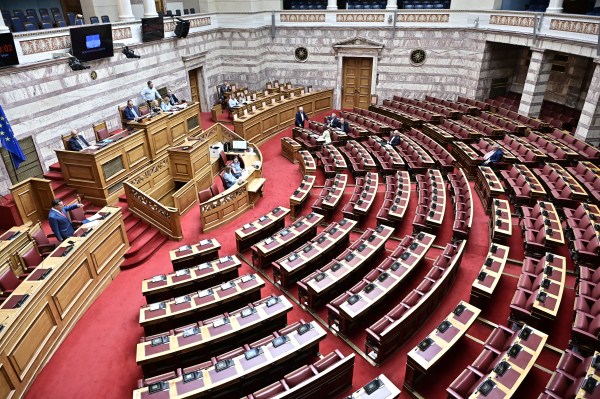
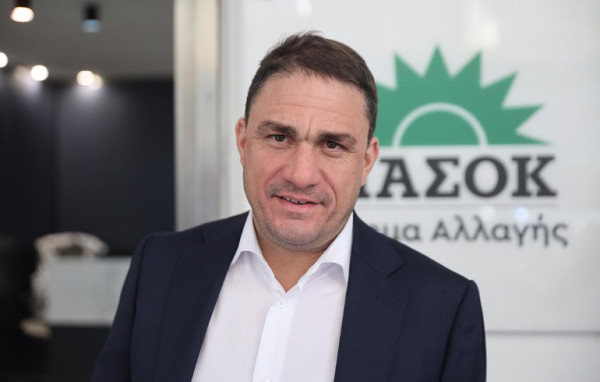
The intervention by the legal community adds to mounting political pressure on the government. The center-left opposition party PASOK is preparing to call for a parliamentary inquiry into the affair, according to party officials. Its leader, Nikos Androulakis—himself among those targeted in the surveillance case—has instructed his legal team to draft a formal proposal in the coming days.
Mr. Androulakis has also called for testimony from key figures linked to the spyware industry, including Tal Dilian, whose company has been associated with surveillance technology reportedly used in Greece. The opposition leader has accused the government of undermining democratic institutions and suggested that further political escalation could follow if new developments emerge.
While a formal no-confidence motion remains under consideration, opposition officials say such a step would depend on significant new evidence or political developments. For now, Mr. Androulakis is urging broader mobilization across civil society, labor groups and professional organizations, framing the issue as one that affects the entire country.
“This concerns all Greeks,” he said, calling for sustained public pressure to ensure accountability.
The government has rejected allegations of wrongdoing and has previously said that the justice system is handling the matter independently. Still, the latest clash underscores how the surveillance scandal continues to reverberate through Greece’s legal and political institutions, with implications for public trust and the country’s standing within the European rule-of-law framework.