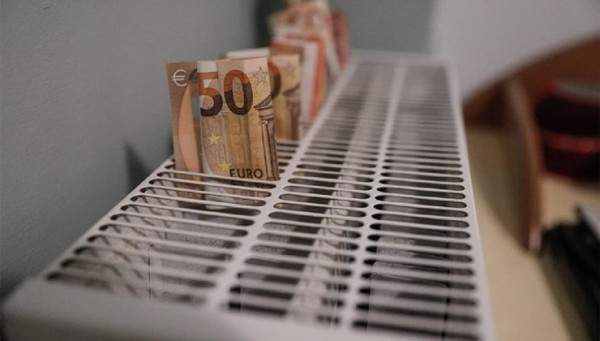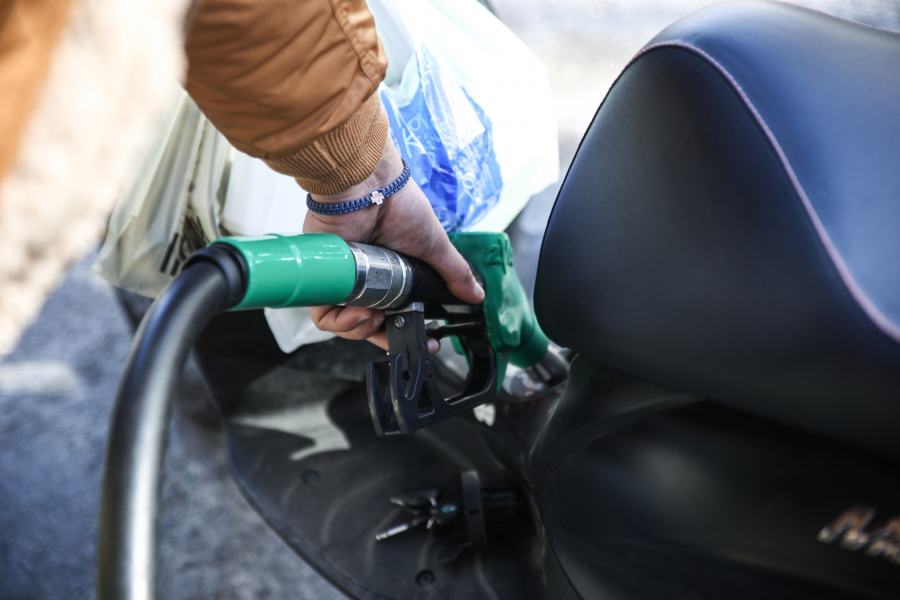

Amid escalating tensions in the Middle East and growing fears of another sharp increase in fuel prices, the Greek government is once again considering the possibility of reintroducing support measures similar to the Fuel Pass scheme. The programme was first introduced during the energy crisis triggered by Russia’s invasion of Ukraine and was viewed at the time as one of the main tools used by the government to help households cope with rapidly rising fuel costs. With new geopolitical tensions raising concerns about further increases in global oil prices, government officials say similar subsidy measures could be reconsidered if the crisis leads to another wave of energy price inflation.
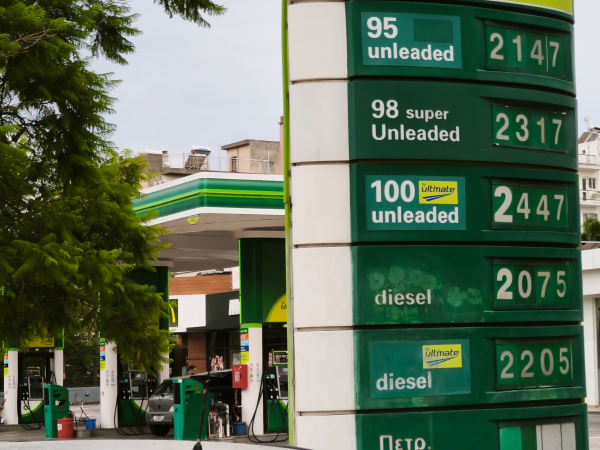
Signs of upward pressure on fuel prices are already visible in the Greek market. The nationwide average retail price for 95-octane unleaded petrol has reached €1.795 per litre, while 100-octane petrol is now selling for €1.992 per litre. Diesel currently averages €1.618 per litre, while autogas (LPG), commonly used by drivers who have converted their vehicles to run on gas, has increased to €1.086 per litre from €1.056 previously. The average price of home heating oil has also climbed to around €1.21 per litre.
Fuel Pass II, the most recent version of the subsidy programme, provided financial assistance for fuel purchases to individuals and self-employed professionals who were tax residents of Greece. Eligibility was based on income criteria: applicants had to report a household income of no more than €30,000 for the 2021 tax year. This threshold increased by €3,000 for a spouse or civil partner and by €3,000 for each dependent child, with a maximum total income limit of €45,000.
The scheme applied to owners or co-owners of privately used vehicles, as well as drivers who used vehicles through financial leasing contracts. Each beneficiary could register only one vehicle, motorcycle, or moped, provided the vehicle was legally in circulation, insured, and had no outstanding vehicle tax obligations.
Applications were submitted online through a government platform using the personal tax identification credentials issued by the Greek tax authority. Citizens could also update their contact information, such as email address and mobile phone number, during the process, while those who needed assistance had the option of applying through local Citizens’ Service Centres.
The subsidy was distributed in two different ways. One option was through a virtual digital card that could be used directly at fuel stations via contactless payment terminals using a smartphone equipped with NFC technology. The alternative option was a direct transfer of the subsidy to the beneficiary’s bank account, although the amount received through this method was slightly lower than the digital card payment.
The value of the subsidy depended both on the type of vehicle and on where the beneficiary lived. Car owners on the Greek mainland received up to €80 through the digital card or €65 via bank transfer. Residents of island regions, where transport costs tend to be higher, were entitled to larger amounts of up to €100 or €85 respectively. Motorcycles and mopeds were eligible for smaller subsidies, reaching €60 in mainland Greece and €70 in island regions when paid through the digital card.
Once an application was approved, the subsidy was typically credited within a few days, either to the digital card or to the bank account specified by the applicant. When issued via the digital card, the funds could be used exclusively for fuel purchases at petrol stations across Greece until the programme’s expiration date and could not be withdrawn as cash.