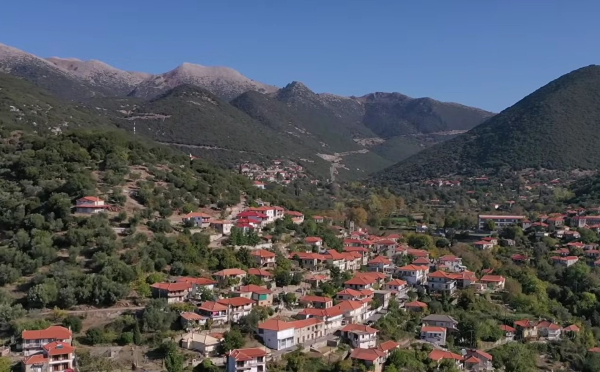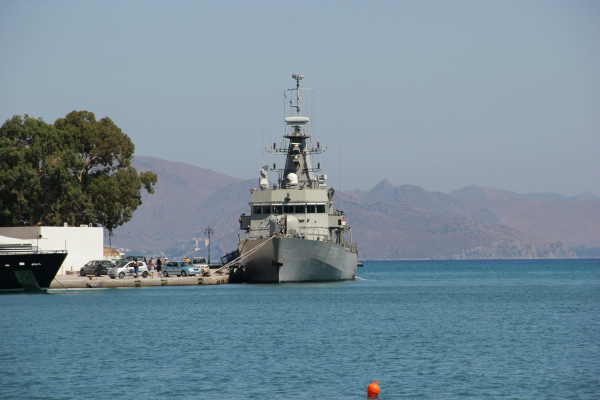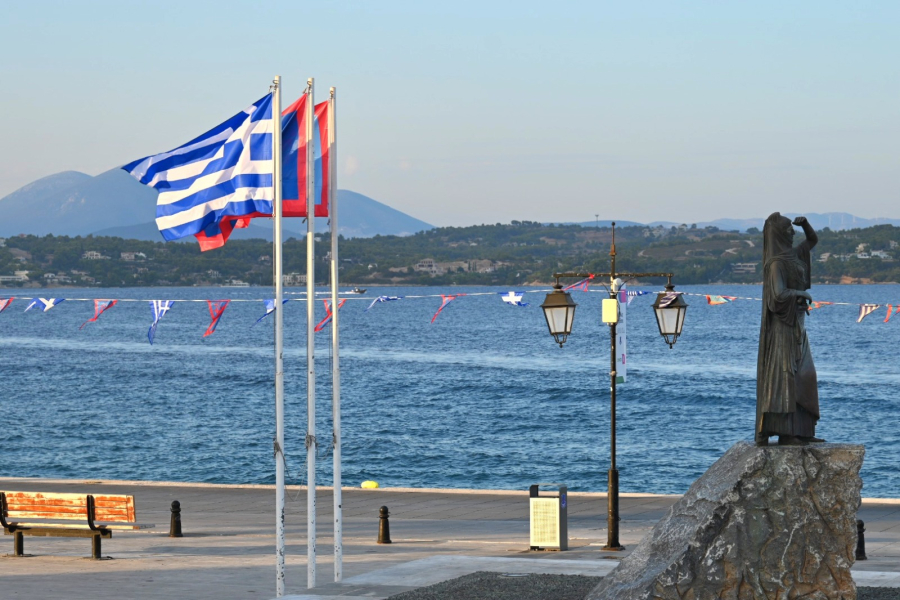

It lies just 1.5 nautical miles from the mainland area of Ermionida and around 50 miles south of Athens’ main port of Piraeus. The island is widely known for its preserved architectural character and for its long-standing ban on private car traffic, a restriction that has shaped both daily life and its distinct identity.
In antiquity, Spetses was known as Pityonisos and Pityousa, names linked to the pine forests that once covered the island. Its modern name dates back to the Middle Ages, when Catalan, Genoese, Venetian and Frankish sailors referred to it as Isola di Spezia, or “Island of Aromas,” a reference to the island’s abundant flowers and fragrant vegetation.
That carefully preserved landscape is now at the center of an increasingly contentious dispute. A municipal plan to install 600 streetlight poles, each nine meters high, along the island’s road network has triggered strong reactions, particularly because Spetses allows only very limited vehicle use. What began as a local infrastructure project has escalated into a broader institutional and legal confrontation, involving residents, cultural institutions and multiple state authorities.
The municipal government argues that the lighting project is necessary to improve road safety and to secure funding from the European Union’s post-pandemic Recovery Fund. Officials have warned that any significant changes or delays could jeopardize the financing altogether. Critics, however, including the historic Anargyrios School of Spetses and many local residents, say the project does not reflect the island’s actual needs and poses a serious threat to its natural and historical character.
Officially titled “Improvement of Road Safety on the Island of Spetses,” the project carries a total budget of €2.8 million. Most of the funds are earmarked for the installation of 600 lighting poles along the island’s 16-kilometer peripheral road. The contract was awarded in September 2023 to a private contractor after a completed tender process, and conditional approval was later granted by Greece’s archaeological authorities, allowing work to begin. According to the municipality, the aim was to address traffic accidents, particularly during the busy summer season.
Construction started in June 2024 but was suspended in October following intervention by the state service responsible for the protection of modern monuments. The pause came after objections from the
Anargyrios and Korgialenios School of Spetses, which owns roughly 45 percent of the island, as well as from a national organization dedicated to environmental and cultural heritage protection. Opponents argued that the scale of the project would irreversibly alter a landscape officially designated as historically significant and of exceptional natural beauty.
Although the suspension was briefly lifted at the request of the municipality, the Ministry of Culture intervened again, ordering all works to stop until the matter could be reviewed by the Central Council for Modern Monuments, a top advisory body. The Region of Attica, which oversees local government in the area, publicly supported the project, citing data showing 43 traffic accidents on the island between 2022 and 2024, including seven on the peripheral road.
Ultimately, the Central Council ruled that the project should be halted, concluding that, given the strict limitations on vehicle circulation, the installation of such an extensive lighting network would disproportionately affect the island’s character. The municipality then appealed the decision to Greece’s highest administrative court, the Council of State, and secured a temporary suspension of the Culture Ministry’s ruling until the main case is heard.
As a result of that interim decision, a significant number of the 600 lighting poles have already been installed. The final outcome, which will determine whether the project proceeds, is expected to be decided later this month, with implications not only for Spetses but also for how infrastructure development is balanced against heritage protection in car-free historic areas across Greece