
The labor deficit is now estimated at around 250,000 positions, affecting key sectors of the economy and increasingly weighing on production and competitiveness. Agriculture remains the hardest hit, but tourism, construction, and manufacturing are also struggling to find staff, a situation that employers warn has become chronic.
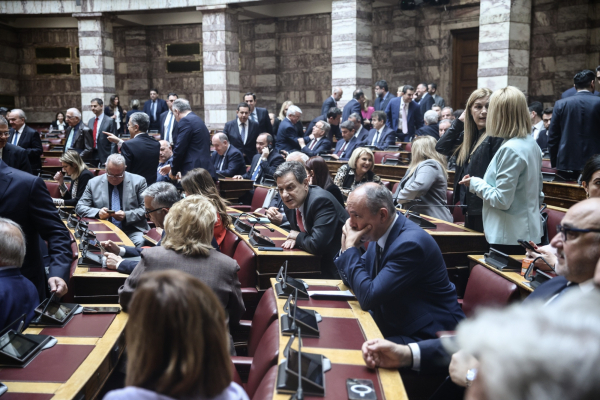
A recent decision by the Greek government, published in the official state gazette, underscores the scale of the challenge. The measure sets the maximum number of jobs that can be filled by citizens of non-EU countries in 2026 at 94,240. While intended to regulate labor migration, the figure is widely seen by businesses and professional organizations as far below actual market needs, effectively confirming rather than resolving the workforce gap.
Under the government’s plan, fewer than half of these positions are for standard, year-round employment, while roughly half are allocated to seasonal work. Only a very small share is reserved for highly skilled professionals. This distribution reflects Greece’s continued reliance on low-paid and often temporary labor, without addressing the underlying need for a stable and adequately sized workforce. It also leaves untouched the deeper causes that deter both local and foreign workers, including relatively low wages, demanding working conditions, and a mismatch between available skills and job requirements.
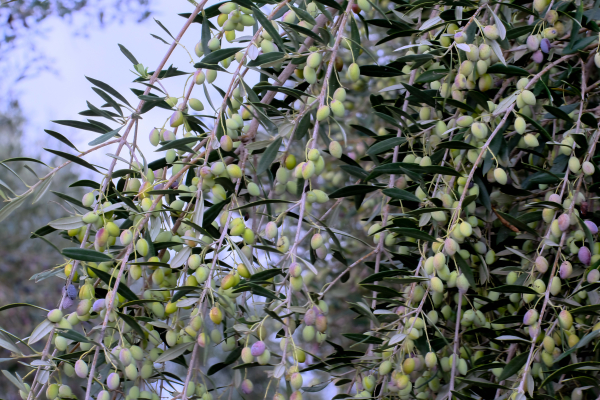
The situation is particularly stark in agriculture, where the shortage of farm labor is increasingly described as structural rather than temporary. For 2026, the government has set specific quotas for both permanent and seasonal agricultural workers, but farmers and cooperatives argue that these numbers do not come close to covering their needs. At the same time, the process for recruiting workers from abroad is widely criticized as bureaucratic, slow, and unpredictable. Many producers report losing confidence in official recruitment channels, forcing them to operate with fewer workers or even abandon parts of their production altogether.
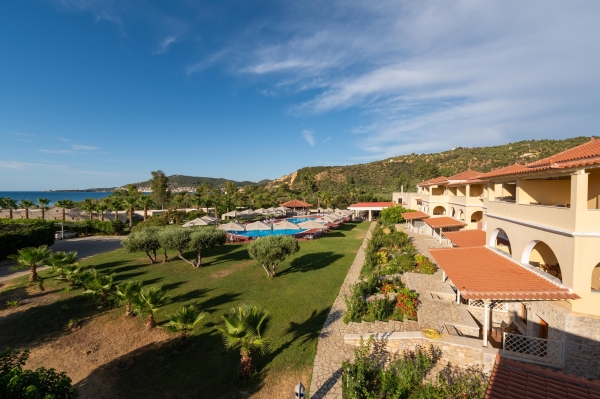
Similar pressures are evident elsewhere in the economy. In construction, labor shortages are already delaying projects, even though demand for infrastructure and building work remains strong. In tourism and hospitality, which are central to Greece’s economy, the same problem reappears every summer. Hotels, restaurants, and related businesses struggle to recruit enough staff, from kitchen workers to service and cleaning personnel, often operating below capacity during peak season.
The government decision also introduces detailed rules linking the number of seasonal workers allowed to factors such as cultivated land area or livestock size, an attempt to impose clearer and more objective criteria. However, employers argue that these technical adjustments do little to resolve the practical obstacles they face, particularly persistent delays and administrative hurdles.
As Greece heads into another year with an unresolved labor crisis, critics say the policy framework for 2026 relies once again on fragmented measures. Without a broader strategy that addresses wages, working conditions, skills, and migration procedures in a coherent way, the workforce shortage risks becoming a lasting constraint on the country’s economic recovery and long-term growth.