
As Greece brings the 2025 tourism year to a close with yet another record in visitor arrivals and travel revenues, the country’s tourism model is increasingly seen as having reached a critical turning point. The scale of recent success has highlighted the need for a more deliberate and forward-looking strategy, one that can sustain growth while ensuring that its benefits are spread more evenly across regions, seasons and society.
Tourism receipts this year are estimated at close to €23.5 billion, almost 8% higher than in 2024, based on the latest assessments drawing on data from the Bank of Greece and other institutions. With a population of just over 10 million, Greece welcomed more than 37 million foreign visitors, a figure that does not include cruise passengers or private leisure vessels that have added further pressure on coastal and island destinations.
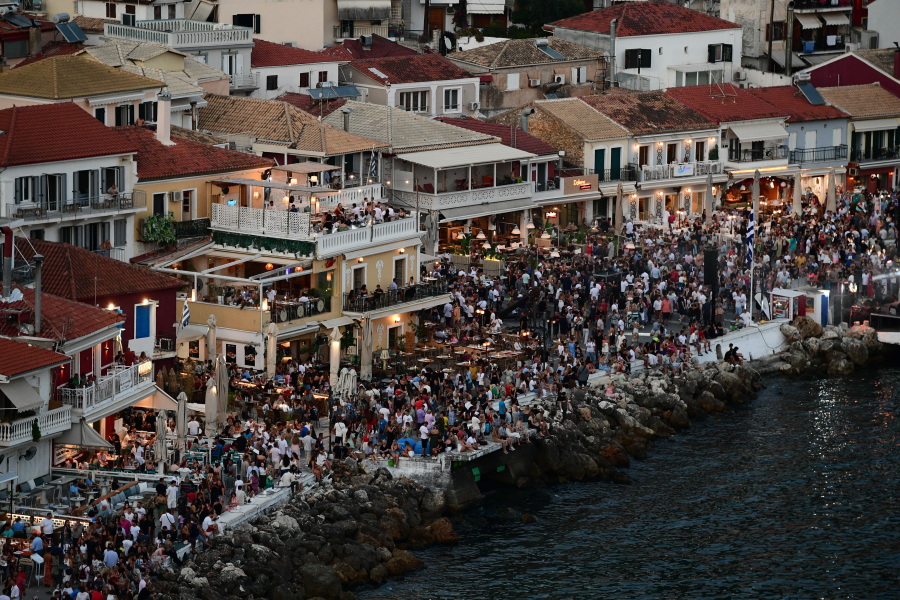
This rapid expansion has brought visible strains. Problems related to water supply, waste collection, wastewater treatment, port capacity, electricity networks, parking and traffic congestion emerged not only in traditionally popular destinations but also in areas that until recently had been considered less crowded. In some of the country’s most heavily visited islands, such as Mykonos and Santorini, signs of saturation were reflected even in a decline in arrivals compared with previous years.
These pressures have underscored shifting traveler preferences, with growing sensitivity to overcrowding and infrastructure shortcomings and a stronger interest in more authentic, less congested experiences. At the same time, the absence of a comprehensive spatial and tourism planning framework at both national and local level has contributed to uncoordinated development, while also increasing uncertainty for investors and limiting the country’s long-term competitiveness.
Research by the INSETE has consistently shown that the strength of Greece’s tourism brand lies in hospitality, a sense of safety, accommodation quality and gastronomy, with beaches and landscapes following closely behind. Areas where Greece lags behind competing destinations are largely linked to destination management, including cleanliness, information services, unregulated urban development and a limited range of activities beyond the traditional sun-and-sea model.
At the same time, a widening imbalance has emerged between tourism growth and supporting infrastructure. While tourism-related investment activity has surpassed pre-crisis levels, spending on core infrastructure remains below where it stood before the financial crisis, raising concerns about the system’s capacity to absorb further growth. These gaps are increasingly evident at the local level, where municipalities in many destinations struggle to cope with day-to-day demands, let alone plan and deliver new infrastructure.
The issue is particularly acute in destinations that attract large numbers of day visitors, such as Symi and Santorini. Visitors arriving for a few hours place significant pressure on water resources, waste management and public services, yet do not contribute through overnight stay-related local taxes. As a result, local authorities are seeking new mechanisms to manage and finance these flows, including the possibility of introducing fees for day visitors.
All of this is unfolding against a backdrop of changing travel behavior, intensifying competition from other Mediterranean destinations and the growing impact of climate change. Projections for the coming decades point to the potential for continued growth, with international arrivals possibly reaching 55 million by 2040 and travel receipts rising to €36 billion, provided current challenges are addressed.
Without systematic planning, coordination and investment, however, such volumes would be difficult to sustain. Increasingly, the future of Greek tourism is seen as depending less on headline growth figures and more on the country’s ability to manage success, protect local communities and natural resources, and translate strong demand into long-term economic and social value.