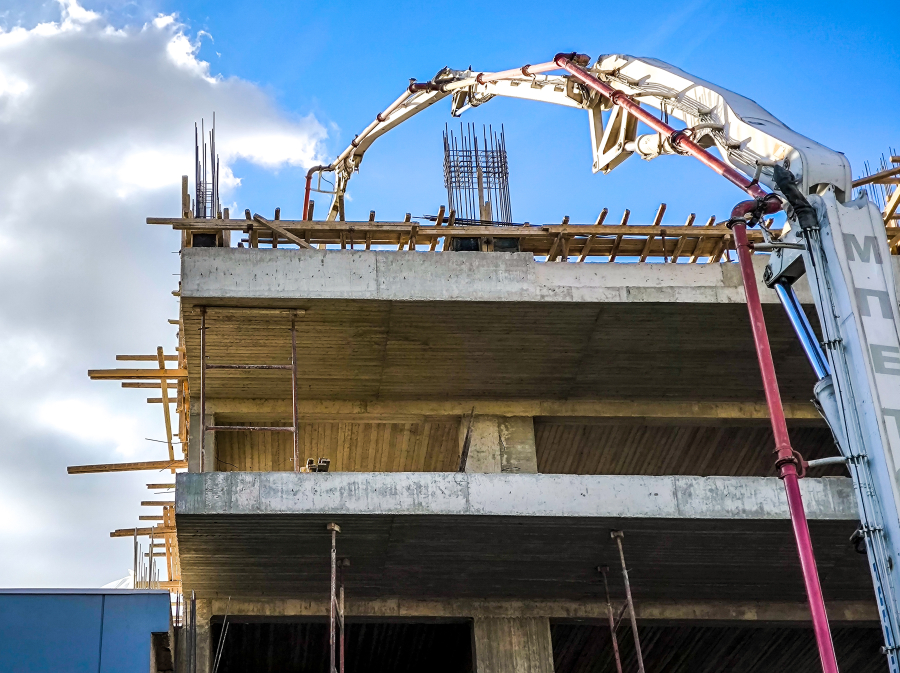

Yet this strategy is increasingly under pressure from a twin challenge: sharply rising construction costs and a growing shortage of skilled workers, both of which threaten to undermine the scale and speed of the planned interventions.
Construction costs in Greece have been rising far faster than the general cost of living. Since 2021, prices for building materials have increased by more than 30%, compared with just over 20% for consumer prices overall.
In effect, the cost of building has been rising about 50% faster than inflation. This gap is now clearly visible in both new developments and renovations. Industry experts estimate that constructing a new home now costs more than €2,000 per square metre, partly because of stricter technical and energy-efficiency standards.
Renovations, meanwhile, have also become significantly more expensive. For apartments built three or four decades ago, the subsidies offered under new government programmes are often insufficient to cover extensive works, forcing homeowners to rely on their own savings to complete projects.
The pressure is expected to intensify in 2026, a year when multiple subsidy schemes are due to operate at the same time, covering tens of thousands of properties. Existing programmes aimed at energy efficiency, rental renovations and heating system upgrades are already demanding large numbers of electricians, plumbers and other specialists. On top of this, the government has announced a new €400 million initiative to support the renovation of more than 30,000 homes, alongside incentives for new residential construction, including tax breaks and measures to convert former industrial buildings into housing.
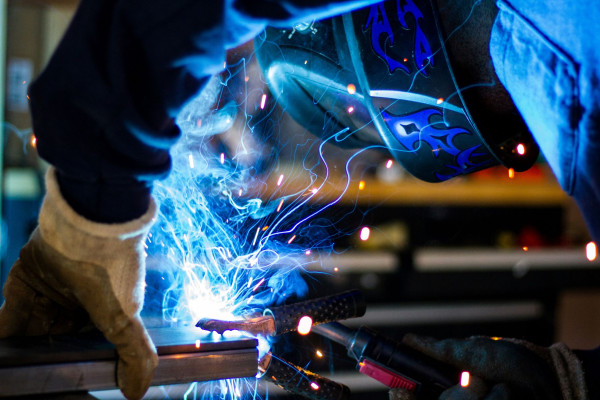
These ambitions collide with reality in the labour market. While the construction sector has recovered from the dramatic collapse it suffered during Greece’s debt crisis, employment remains well below the levels seen before 2009.
At the height of the previous construction boom, more than 230,000 people were employed in the sector. That figure fell sharply during the crisis and, despite the recent rebound, currently stands at just over 160,000. The number of Greek nationals working in construction is also significantly lower than it was before the downturn.
Rising labour costs reflect this shortage. Official data show that the price of services such as plumbing and painting has climbed steeply over the past four years, with further increases recorded even within the past year alone.