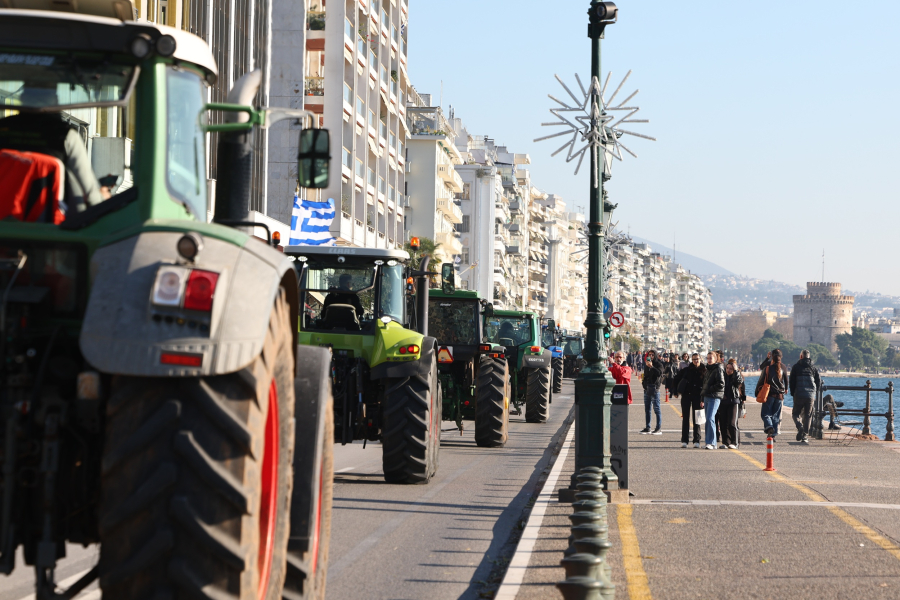
Tensions between Greece’s farmers and the government are escalating, as a wave of nationwide protests enters a more confrontational phase. Farmers from the village of Nikaia in the Larissa region said on Saturday that their mobilization will continue “until the very end,” signalling a prolonged standoff with the authorities.
The body coordinating the protests, which brings together representatives from 57 blockade points across the country, has rejected an invitation from Prime Minister Kyriakos Mitsotakis to meet on Monday at the prime minister’s office in Athens. The farmers described the proposed talks as “purely symbolic” and said they would instead submit their full list of demands in writing. They insist they will not lift road blockades unless the government offers clear commitments and concrete solutions, stressing that participation in dialogue makes sense only if there is something tangible on the table.
During a heated meeting of the coordination committee, representatives from agricultural regions across Greece — including Thessaly, Central Greece, Macedonia, the Peloponnese and Crete — voiced strong opposition to any negotiations conducted without the direct mandate of the protesters. There was also a clear warning against attempts to fragment the movement or engage selectively with individual groups of farmers.
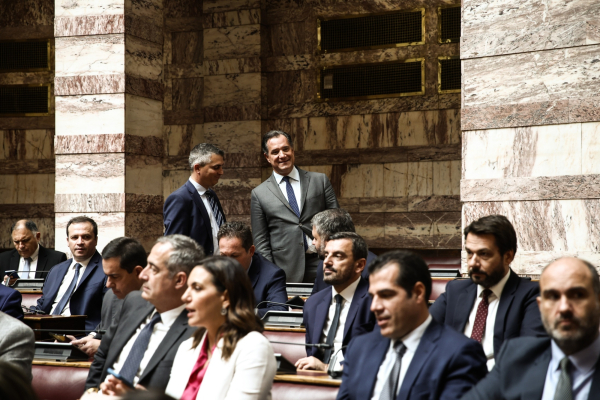
The government, meanwhile, has renewed its call for dialogue. Speaking in parliament during the debate on the national budget, government spokesperson Pavlos Marinakis criticized the farmers’ refusal to meet, arguing that dialogue cannot take place if one side is unwilling to discuss its demands. He reiterated the government’s position that it supports dialogue but opposes road blockades, which it says are causing serious disruption to daily life. Marinakis pointed in particular to commuters and patients who, according to the government, are being prevented from reaching workplaces or accessing essential medical care.
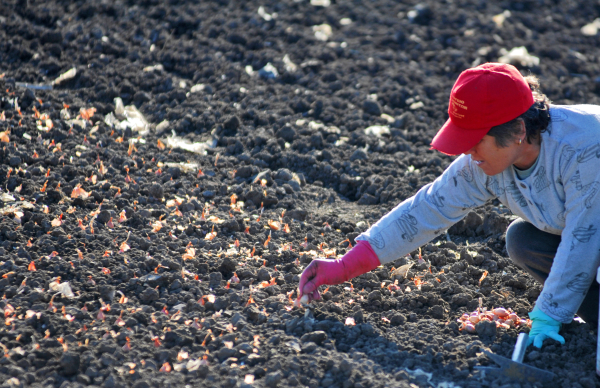
The farmers’ demands span a wide range of issues affecting the agricultural sector. They include the suspension of legal proceedings against farmers, the payment of overdue subsidies, guaranteed minimum prices for agricultural products, cheaper electricity and tax-free fuel, and measures to reduce overall production costs. Protesters are also calling for the abolition of Greece’s energy exchange, the removal of value-added tax on agricultural supplies, and full compensation for losses caused by animal diseases and natural disasters. Prominent among their demands are calls for accountability over alleged irregularities at OPEKEPE, the state body responsible for managing EU agricultural funds, and for misallocated money to be returned to legitimate beneficiaries.
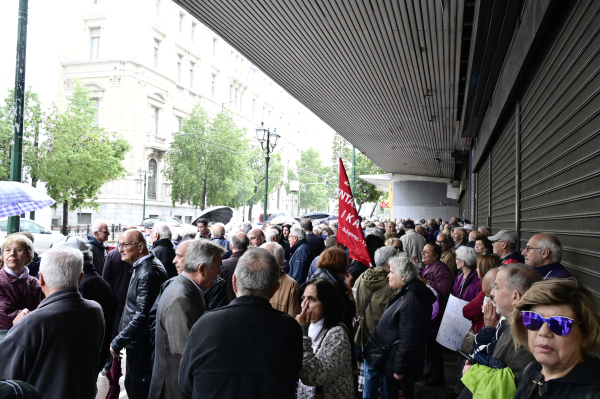
Despite mounting pressure from the government, farmers continue to maintain blockades at strategic points across the country, from western Greece to the outskirts of Thessaloniki. Alongside road closures, they are staging demonstrations and symbolic actions to keep public attention on their cause. Protest leaders argue that their struggle goes beyond the interests of the farming community, framing it instead as a broader social issue linked to the cost of living, energy prices and economic survival in rural Greece.