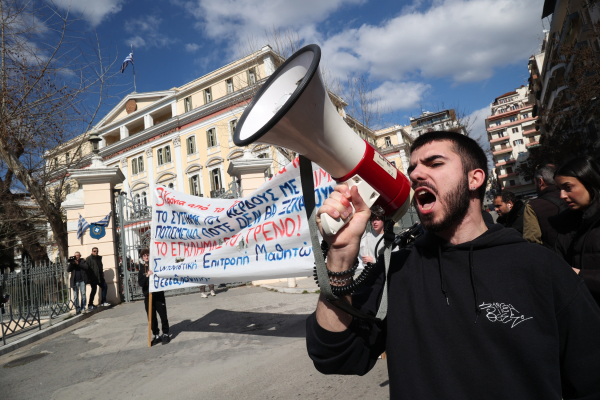
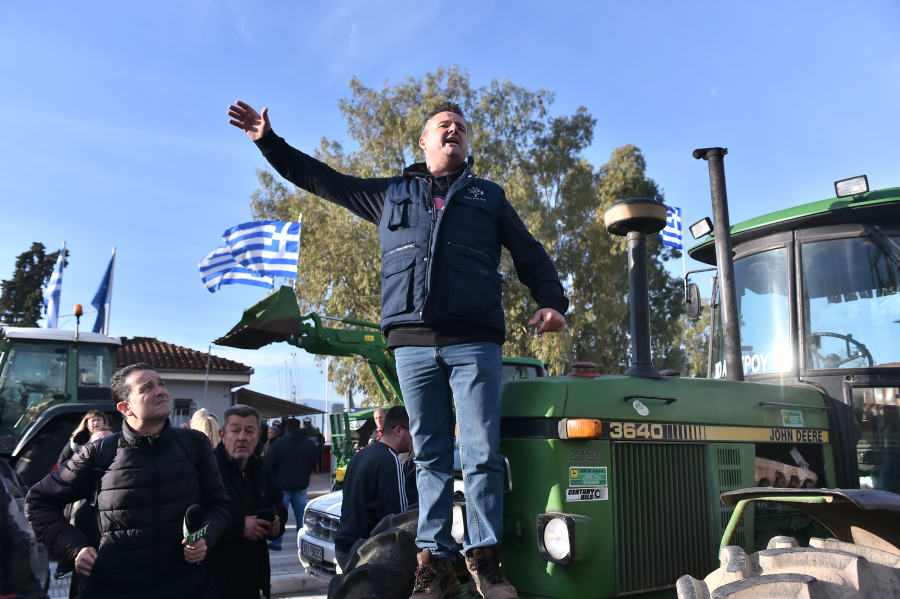
Farmers across Greece are refusing to abandon their nationwide roadblocks despite an intervention from the country’s Supreme Court prosecutor ordering authorities to strictly enforce laws against disruptions to transportation. From Nikaia in Larissa, one of the largest protest hubs, farmers responded defiantly, insisting that their movement “will not be criminalized” and that they “will not be intimidated.”
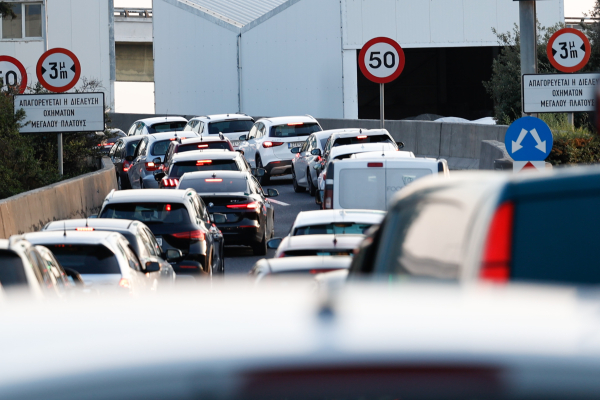
The Supreme Court prosecutor’s order, issued on Tuesday, highlights what he described as escalating disruptions to both road and air transport, citing recent blockades of highways and the occupations of airport facilities in Heraklion and Chania. The directive stresses that these actions constitute criminal offenses under the Greek Penal Code, which protects the uninterrupted functioning of public transport and key infrastructure. Prosecutors and police officers were reminded of their obligation to intervene immediately when such offenses occur, including through on-the-spot arrests, and warned that failure to act could expose them to disciplinary or criminal consequences.
Farmers assemblies held on Tuesday underscored the unified stance: the blockades remain. Unions from Thessaly and Macedonia accuse the government of using the Supreme Court directive as a communication tactic aimed at weakening the protests. Many farmers described the order as an attempt at blackmail, insisting instead that they will escalate their actions in the coming days.
Local leaders gave voice to the defiance. “There are 2,500 of us here — let them come arrest us. We’re not leaving unless the government addresses our problems,” said Kostas Tzelas, head of the Karditsa federation of agricultural associations. Farmers and livestock breeders are demanding compensation for lost income, tax-free fuel, and a strict cap on electricity prices.
In Nikaia, Sokratis Aleiftiras of the Larissa federation denounced the Supreme Court intervention as a political maneuver, reaffirming that farmers will continue to decide strategy on the ground. Organizational discussions centered on an upcoming attempt to block the port of Volos, an action farmers plan to carry out alongside local fishermen. Additional protests are expected through Saturday, including demonstrations at the offices of several government officials. A nationwide assembly of the roadblock committees will convene over the weekend to determine the next phase of mobilizations. Farmers stress they will only enter dialogue with the government once all their demands are met.
Defiance is also strong in western Greece, where farmers at the Angelokastro roadblock declared, “We are not criminals.” They plan to join forces with colleagues from Achaia to stage a protest at the Rio–Antirrio bridge, where they intend to open toll barriers and allow free transit for motorists. New interventions at ports and critical infrastructure — including the refinery at Kalohori, the Central Macedonia regional headquarters, and the port of Thessaloniki — are also under consideration.
In Crete, tensions have risen following clashes in Heraklion and Chania. Farmers there claim more than ten people were injured by rubber bullets allegedly fired by police. The Hellenic Police rejected the accusation outright, stating that its units do not possess or use rubber bullets and that officers relied only on legally approved, low-intensity crowd-control methods. Authorities denounced the allegations as false and damaging to public discourse.