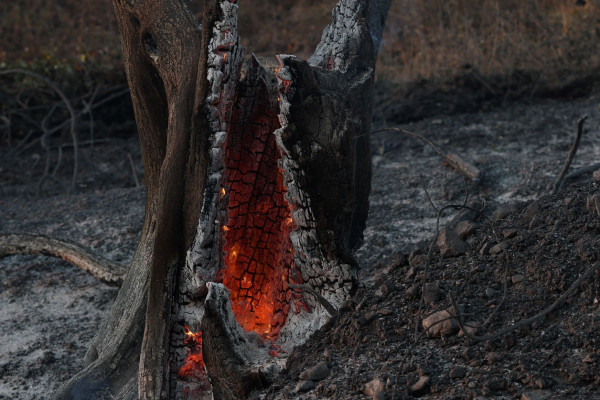
Overtourism has become an increasingly important factor in the decline of Greece’s water reserves, especially at a time when the country is experiencing one of its most severe droughts in decades. While drought itself is driven by climate conditions, the sheer volume of visitors arriving in Greece each year significantly amplifies the pressure on already weakened water systems.
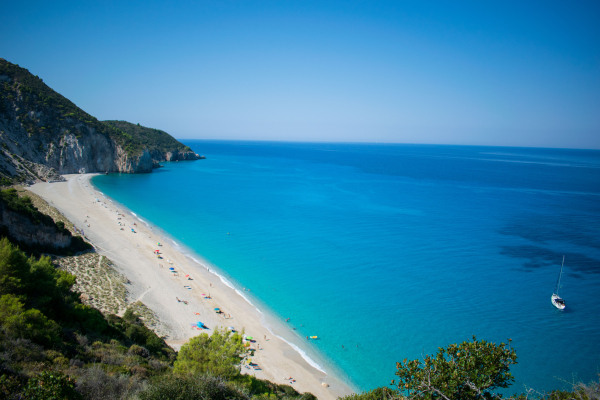
The problem is particularly visible during the summer months, when millions of tourists converge on Greece at precisely the moment when natural water inflows are at their lowest. In many destinations, from Athens to the islands, the number of visitors can outnumber residents several times over. This sudden population surge places enormous strain on local water networks, which were never designed to accommodate such high seasonal peaks. Hotels, short-term rentals, beaches, restaurants and tourist infrastructure collectively drive consumption upward, not only through drinking and bathing but also through laundering, cooling, pool maintenance and increased commercial activity.
The rapid expansion of short-term rentals has further intensified the issue. The growth in available tourist beds means that regions remain crowded for longer periods, stretching the tourist season well beyond the traditional summer window. As a result, water demand stays elevated at times of the year when supplies would normally begin to recover. This extension of peak consumption into the spring and autumn reduces the system’s ability to replenish reservoirs and aquifers before the next cycle of high demand begins.
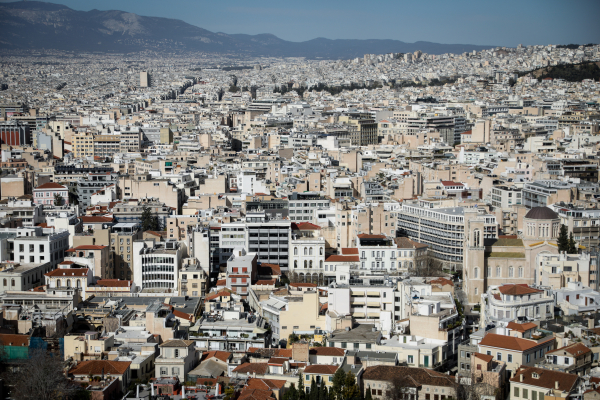
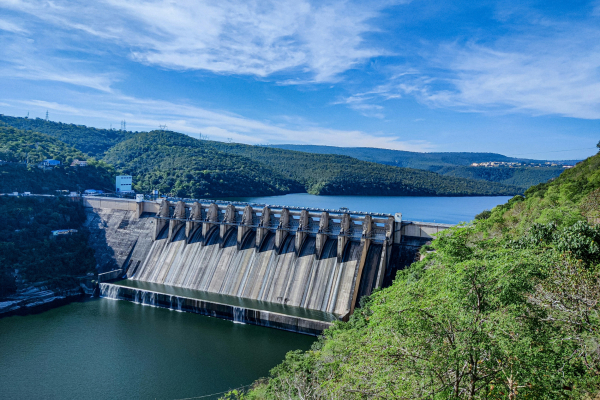
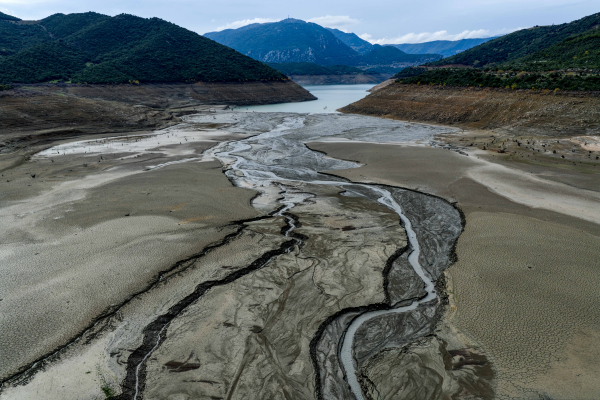
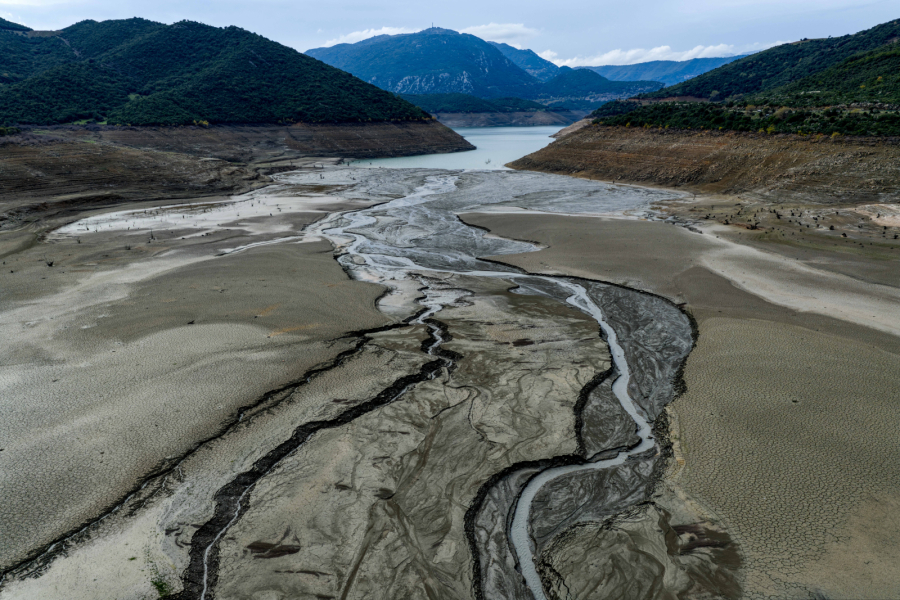
Greece’s major reservoirs, which supply the capital region of Attica, illustrate how fragile the balance has become. Water levels in Lake Yliki and the Marathon reservoir are approaching historic lows, a direct consequence of dwindling rainfall combined with sustained withdrawals. Even though Athens’ domestic consumption has remained relatively stable over the years, the seasonal stress caused by tourism accelerates the depletion of these reserves, particularly when inflows are already far below normal.
Infrastructure weaknesses magnify the problem. Greece loses a significant share of its processed water through leaks and inefficiencies, with losses reaching between 12 and 15 percent in the wider network. During periods of overtourism, when demand surges, these losses become even more critical. What might be manageable in a typical year becomes unsustainable when reservoirs are shrinking and consumption is rising simultaneously.
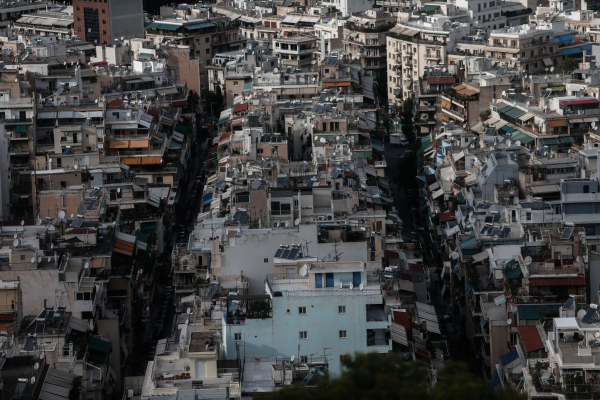
Tourism also contributes to water pressure indirectly. The increased load on wastewater treatment plants, especially on islands, can lead to overflows or emergency discharges, which in turn affect groundwater quality. Meanwhile, development driven by the tourist economy reduces permeable surfaces and obstructs the natural recharge of aquifers. Areas once capable of absorbing winter rainfall are increasingly covered by hotels, roads and short-term accommodation facilities, making it harder for natural systems to recover during the wet season. Although tourists are not solely responsible for the decline in Greece’s water reserves, their presence during the most water-sensitive months intensifies the effects of drought. It is the overlap of climate stress and rising visitor numbers that creates a structural vulnerability. Drought can strain a water system, but drought combined with overtourism can push that system to its limits.
For regions like Attica, where tourism intersects with dense urban populations, the challenge is particularly acute. Without improved water infrastructure, better resource management and diversification of supply, Greece risks entering a period where water scarcity becomes a recurring threat. In this context, overtourism is not just an economic or social issue; it has become a central environmental concern, shaping the country’s long-term water security.