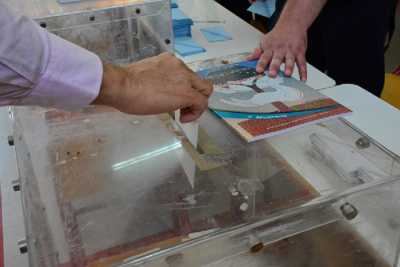

The passage sheds light on the frantic and largely unseen negotiations that unfolded immediately after his government announced the July 5 referendum—an event that stunned Europe and reshaped the course of the Greek debt crisis.
Tsipras describes how the referendum announcement unexpectedly shifted the diplomatic landscape. Until then, most European officials had remained firm behind a rigid “take it or leave it” stance. But as he recounts, the mere decision to put the creditors’ proposal to a public vote triggered intense efforts—particularly involving France and the European Commission—to craft a revised plan that included provisions for fresh financing and, crucially, debt relief. According to Tsipras, these elements had been absent from the initial offer presented to Athens.
He writes that over two days of negotiations involving the French government, the Greek side, and the European Commission—led by senior EU official Pierre Moscovici—a new proposal began to take shape. This updated text differed substantially from the original plan that the Greek government had already rejected and placed before voters. Most importantly, he says, it explicitly acknowledged Greece’s need for funding over the next two years and included a commitment to restructuring Greece’s enormous debt burden. For Tsipras, this represented the essential pathway to making any future agreement sustainable.
Late on June 30, the same day the previous bailout program formally expired, Tsipras ordered his government to submit an official request to the European Stability Mechanism for a new two-year support program paired with debt restructuring. This move, he writes, was intended to signal to Europe that Athens remained committed to achieving a viable, forward-looking compromise.
Finance minister Euclid Tsakalotos, who signed the request, emphasized in his letter that Greece was prepared to present a comprehensive reform plan aimed at meeting fiscal targets, ensuring financial stability, and restoring debt sustainability.
But the attempt to reopen negotiations quickly hit a wall. Tsipras claims that while French President François Hollande tried to support a renewed dialogue, Germany ultimately decided the course. Chancellor Angela Merkel publicly stated just hours after receiving Greece’s proposal that no new talks would take place before the referendum—repeating the same message she had given Tsipras earlier that morning during a phone call. When the Eurogroup convened an emergency teleconference to discuss the Greek request, several countries, including France, expressed support. Nonetheless, the group ultimately sided with Berlin’s position and postponed any decision until after Greeks had voted.
Despite this setback, Tsipras argues that the flurry of diplomatic activity was not in vain. The groundwork, he says, was laid for negotiations to resume under more favorable conditions—as long as the government won the referendum, something far from assured at the time. In his view, the referendum’s mere announcement acted as a catalyst, forcing Europe to reconsider its approach and opening possibilities that had previously been closed.