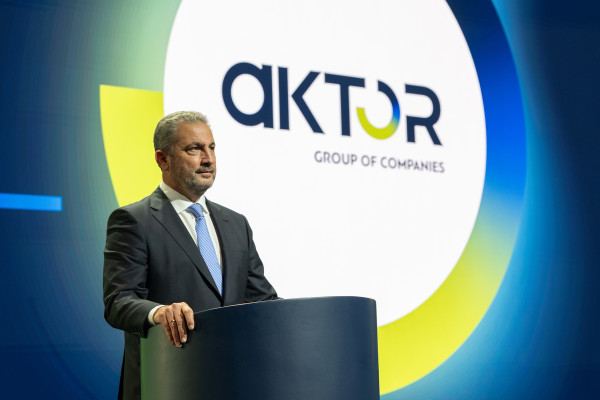

The deal brings ExxonMobil into the Block 2 offshore concession in the northwestern Ionian Sea, giving the U.S. company a 60 percent stake. Energean will retain 30 percent, down from its original 75 percent, while HELLENiQ ENERGY keeps 10 percent, reduced from 25 percent.
Even before the signatures of ExxonMobil vice president John Ardill, Energean CEO Mathios Rigas and HELLENiQ ENERGY’s chief executive Andreas Siamisiis had fully dried, some commentators were already predicting that Greece would extract 200 billion cubic meters of natural gas within three years.
International experience, however, tells a different story. Cyprus offers a particularly relevant example: although the island identified commercially viable natural gas deposits back in 2011, it is unlikely to see its first revenue from the “Cronos” field in Block 6 before the end of 2030, and that is assuming no further delays. Initial extraction is expected in late 2027, but under the existing contract, all revenue from the first three years will go to ENI and Total, with the Cypriot state receiving income only afterward.
Cyprus has confirmed additional reserves in other offshore blocks. In the Glaucus and Pegasus fields of Block 10, ExxonMobil has put estimates at 8 to 9 trillion cubic feet, while the Aphrodite field in Block 6 holds about 4.5 trillion cubic feet. A trilateral agreement between Cyprus, Egypt and the involved energy companies is expected to be finalized in the coming months. In Block 5, the Elektra prospect has yet to show commercially viable quantities, though ExxonMobil and QatarEnergy plan further drilling.
The Cypriot case serves as a reminder that between discovery and production lie years of drilling, evaluation and infrastructure development. It is a far more protracted and technically demanding process than suggested by the overly optimistic forecasts that followed the Block 2 announcement in the Ionian Sea.